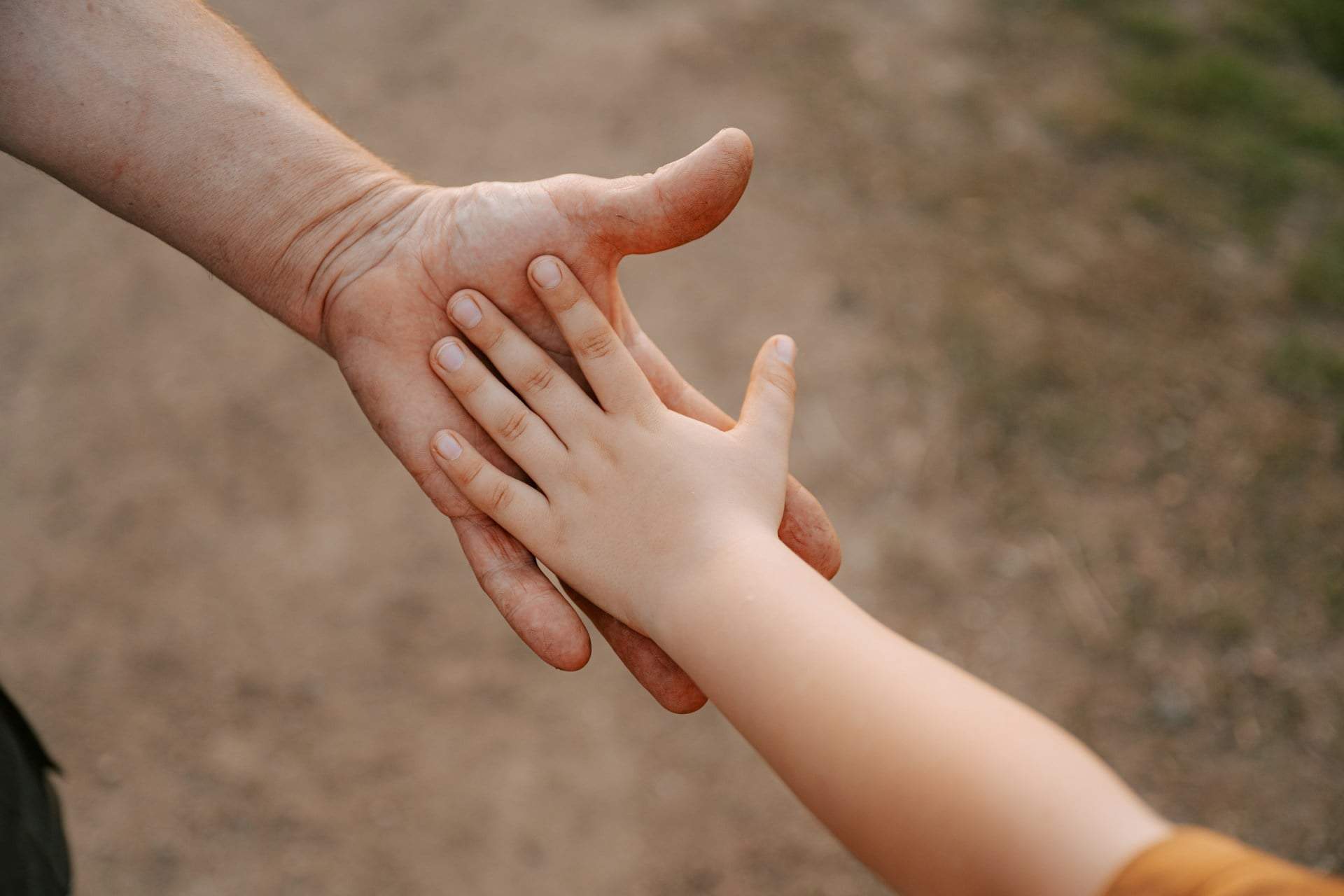
Confidence is one of the most precious gifts we can give our kids — yet it’s also incredibly fragile. Helping children grow into confident, balanced adults starts with recognizing which habits and behaviors to let go of, so we can strengthen their self-worth and inner stability.
1. Don’t Overprotect
It’s natural to want to shield our kids from harm, but when we watch their every step and shield them from every challenge, we risk taking away their ability to stand on their own two feet. Creating a safe environment is essential, but so is letting them gain experience — that’s how they learn to make independent decisions.
Kids thrive when they can safely test themselves and see that their actions have consequences. If every move is controlled, they’ll soon hesitate to try new things, simply because they haven’t faced the possibility of failure yet.
2. Avoid Criticism and Comparisons
Constructive feedback can be helpful, but it’s important to deliver it gently, always keeping your child’s growth in mind. Comparing your child to others can easily undermine their confidence, especially when it’s done in a negative light.
Instead, highlight their unique strengths and achievements. Every child is different, and celebrating that diversity encourages them to keep becoming the best version of themselves.

3. Don’t Praise Without Reason
Of course, every parent wants to encourage their child, but overpraising or giving praise that isn’t earned can backfire. Inflating achievements sets unrealistic expectations that can lead to disappointment when real life doesn’t match up.
Make praise specific and tied to the situation so your child truly feels valued for what they’ve done. Balanced encouragement supports growth and builds genuine confidence.
4. Be a Role Model!
Children observe and learn from everything adults around them do. As parents or authority figures, our behavior sets an example. How we handle challenges and carry ourselves can shape the confidence our kids develop.
Being consistent and kind to ourselves shows kids how to be their own supportive, honest partners. Mutual respect and a positive self-image create a safe, loving space where children can grow their self-esteem.
5. Unrealistic Expectations Create Pressure
Sometimes, without realizing it, we pass our unfulfilled dreams onto our kids or set expectations that weigh heavily on their lives. While having goals is important, those goals need to be realistic and achievable.
Pressure to meet high expectations can cause stress and chip away at confidence, especially if a child never feels good enough. Instead, focus on nurturing internal motivation and creating an environment where your child feels encouraged to pursue their own goals.