Being a good parent today isn’t just a personal journey—it often feels like a public performance. As if trying your best every day wasn’t enough, the results need to be visible, and preferably right away.
Parenting trends—which are supposed to offer guidance—often just pile on more expectations instead of bringing real relief.
Overused Parenting Labels
It’s a strange contradiction that while we try to protect kids from being boxed in, we adults label almost everything. Positive discipline, attachment parenting, authoritarian, helicopter, or permissive styles—the same words can mean very different things from family to family, yet they spark quick judgments and heated debates.
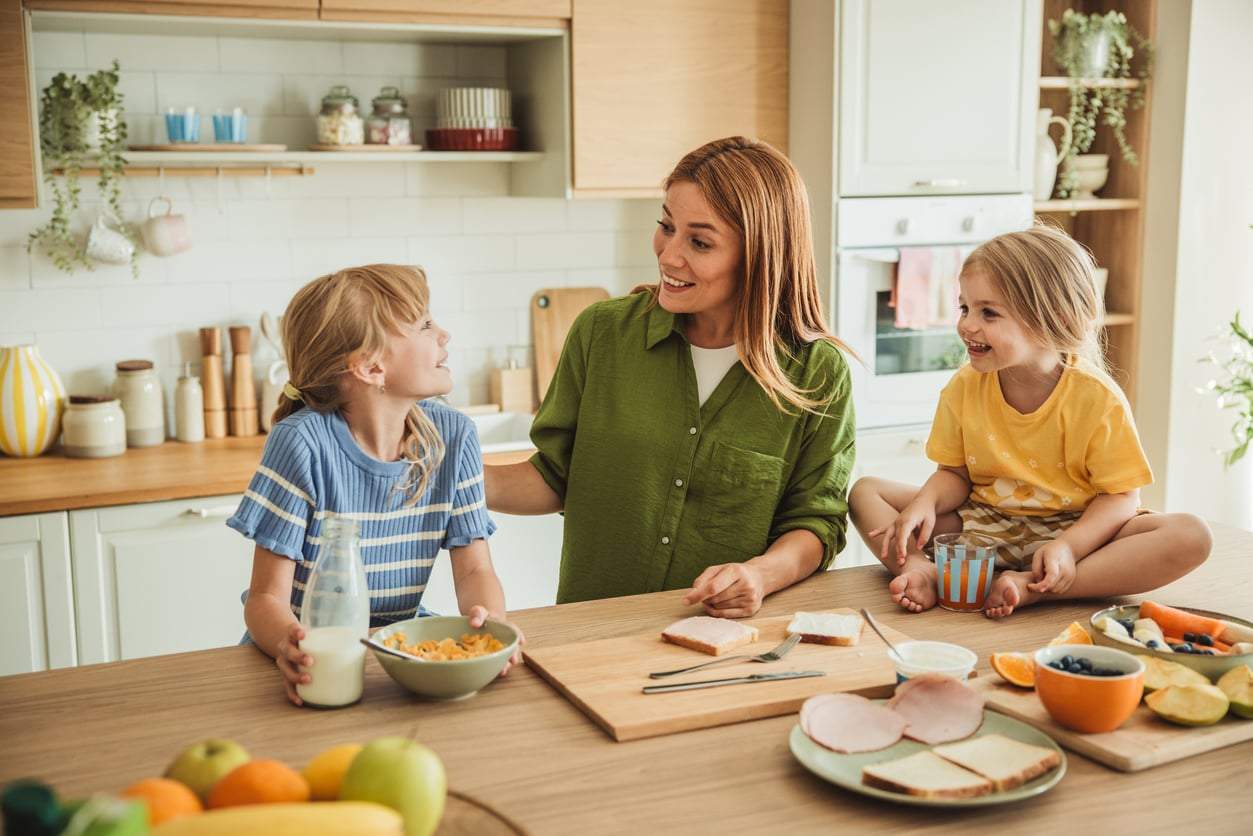
In all the noise, it’s easy to lose sight of what really matters. These labels prove their worthlessness again: kids don’t need trends, they need real adults to connect with. Adults who can set boundaries while being present, who make mistakes, fix them, and try again. The question isn’t what we call our parenting style, but how we show up every day.
Artificial Intelligence as a Conscience
It’s becoming more natural to ask AI for advice on almost everything: bedtime routines, developmental stages, tantrums, boundaries, or even whether what we’re feeling is “normal.” There’s nothing to be ashamed of in this, especially when real support can be expensive, hard to find, or simply unavailable.
The problem starts when quick answers begin to replace our own instincts, pushing aside our real relationships and parental responsibility. An algorithm can’t hear that tired tone in your child’s voice, doesn’t know how yesterday went, and doesn’t share your space.
In 2026, it would be great to put this back in its place: use artificial intelligence as a helpful tool, not as a moral compass, psychologist, parenting coach, or teacher.
Proof-Obsessed Parenting and the "Showcase Reality"
It’s not everyday parents’ fault if their stomach tightens while scrolling. When influencers, celebrities, or perfectly curated family profiles show a world that’s always harmonious, patient, and tidy, it naturally stirs up uneasy feelings. Like everyone else is doing better than us, like we have to explain why our kid is tired or why we don’t feel (or can’t) do creative activities...
Or, on the flip side, we feel pressured to prove that “everything’s fine here too”, as if parenting were a competition with no real winners. But these photos and carefully written captions usually come from a good place: a need to reassure ourselves that we’re doing enough. Maybe it’s time to realize this and let go of the illusion that good parenting has to be flashy, measurable, or searchable.

A Breathless, Over-Scheduled Childhood
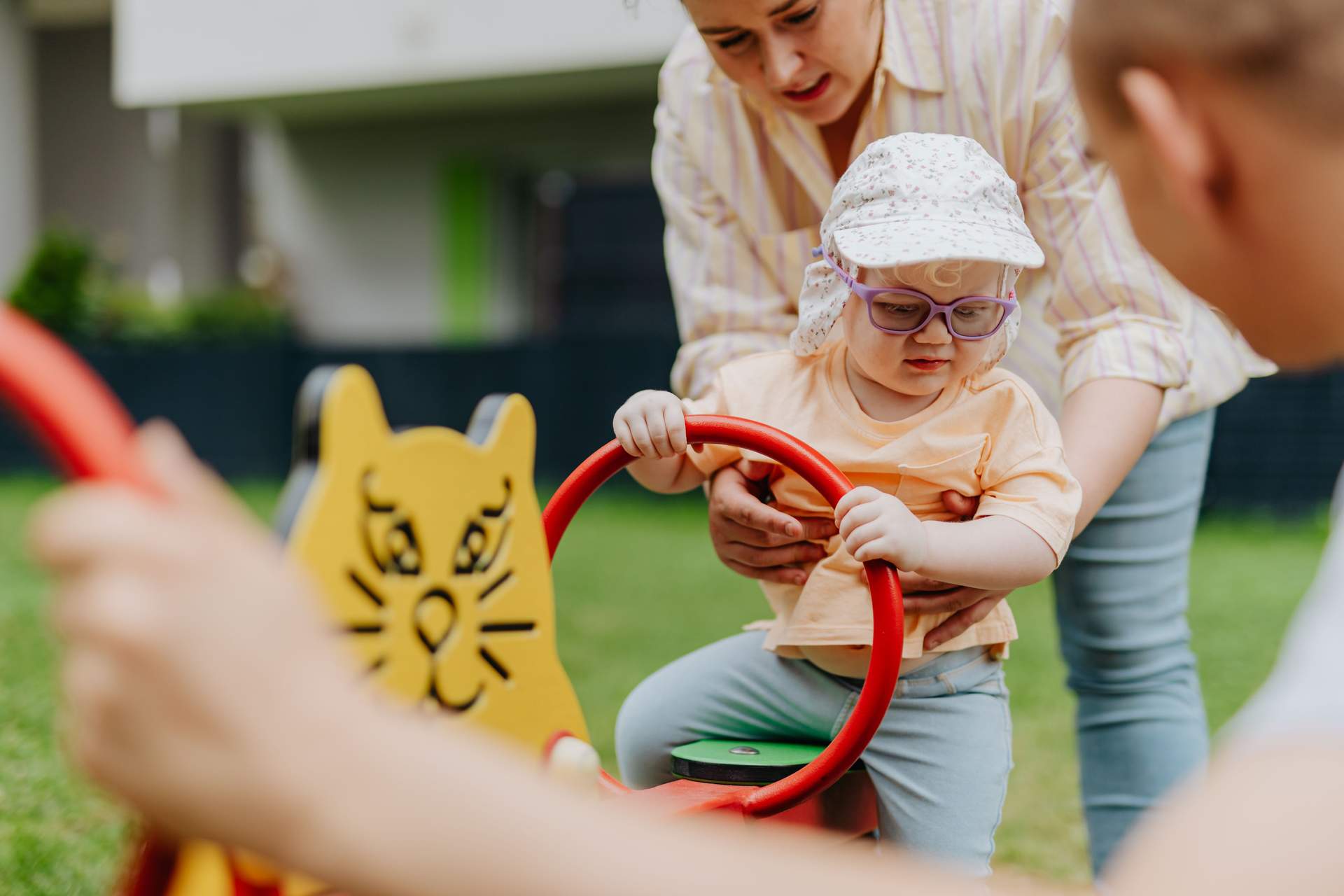
For many families, weekdays have become a logistical feat, especially when there’s not just one but two or three school-age kids. Practices, lessons, therapies, “it’d be great to add this too” programs follow one after another, as if childhood were just nonstop prep for something that really matters later.
Meanwhile, natural boredom, downtime, and aimless moments—where independence and creativity grow—quietly disappear. When every minute is booked in advance, with no free afternoons or program-free days, kids learn to adapt and perform, not to decide. It’s time to value having no plans as a gift again!
The “They’ll Learn Eventually” Logic Without Empathy
We’d like to think this is an outdated, medieval approach, but reality shows otherwise. The “let them learn from their own mistakes” mindset often appears without empathy, as if emotional neglect were part of toughening up.
Of course, resilience, frustration tolerance, and experiencing consequences matter—but only when paired with a sense of parental safety. The knowledge that your child isn’t alone facing challenges. True responsibility comes not from “figure it out yourself,” but from “someone’s got your back while you learn.”
The Constant "Crisis Mode" Around Childcare
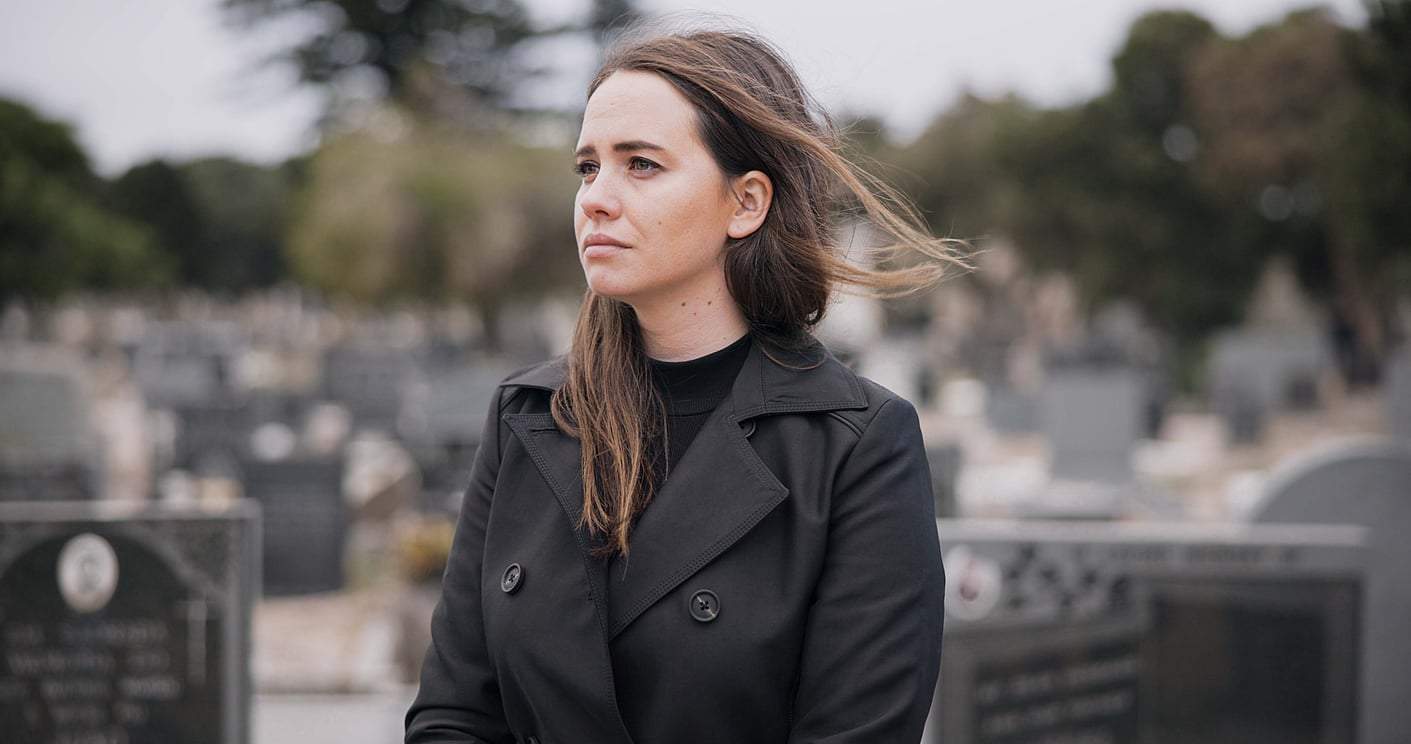
Few things drain a parent’s nerves like constantly juggling lack of time, financial uncertainty, and no support.
When exhaustion, guilt, and survival become the norm, calm and balanced family life rarely follows.
In 2026, it would be wonderful if we stopped seeing this as a personal failure when it’s really a systemic issue—and dared to ask for help before we break. And if, at the same time, we stopped blaming each other for what is truly a societal problem, that would be the real win!