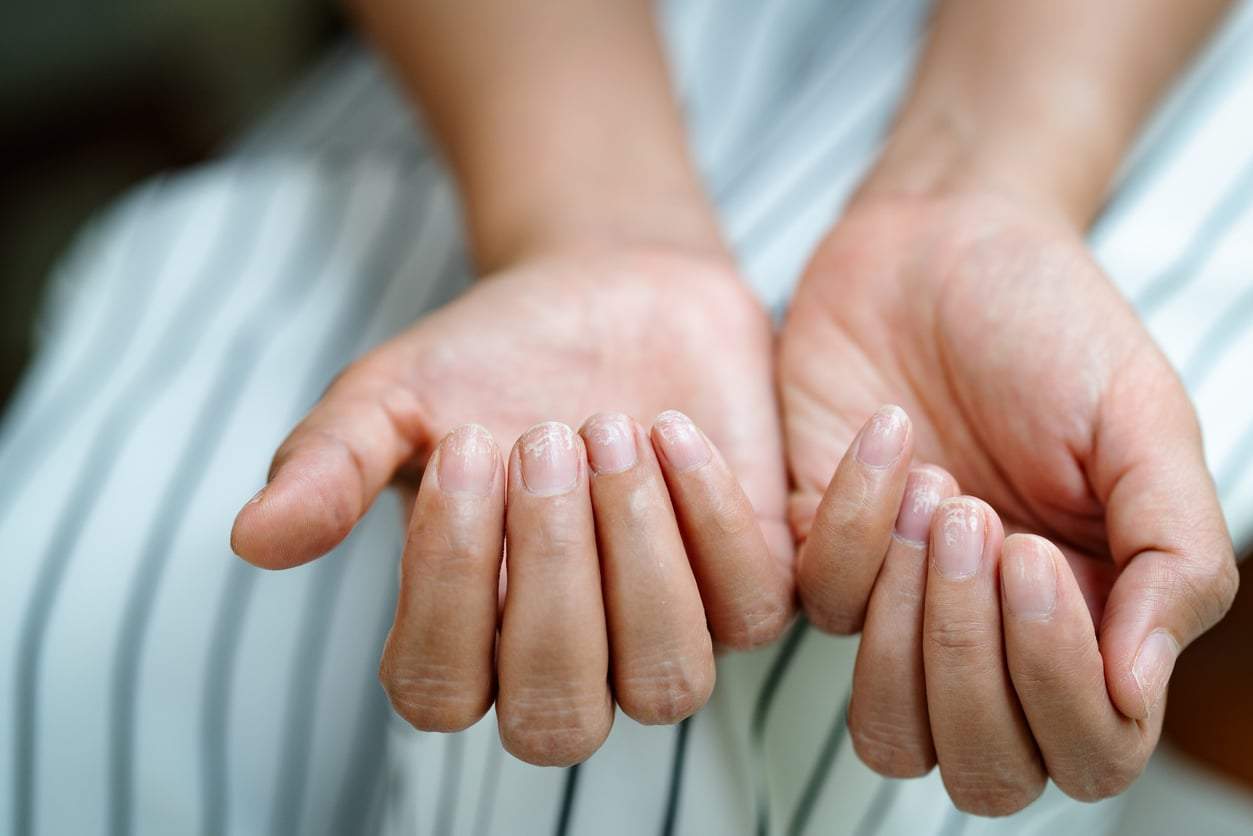
Problems caused by sensitive skin are not limited to cosmetics and daily facial care routines, but can often pose a challenge in terms of dressing as well. Those with sensitive skin often encounter the unpleasant situation where their skin turns red, starts itching, or in worse cases, develops rashes after wearing certain garments.
Wear Garments Made of Natural Materials
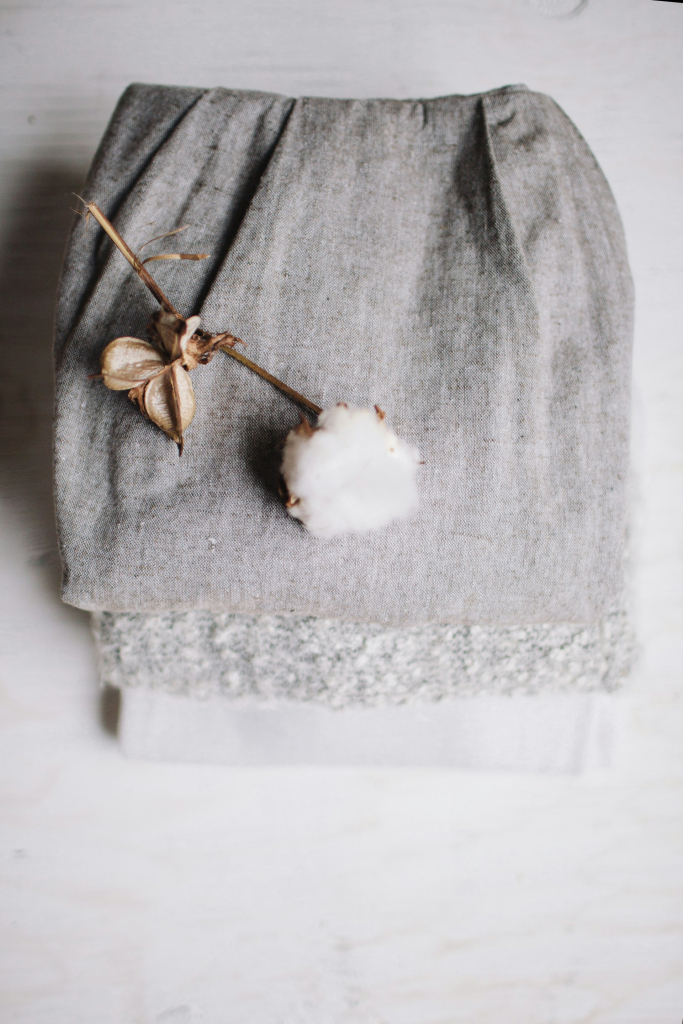
One of the very first and most important pieces of advice to keep in mind is to favor clothes made from natural materials. Cotton, linen, silk, and certain types of wool can have a particularly beneficial effect on sensitive skin, unlike synthetic materials such as polyester or acrylic, which can cause irritation.
These natural materials are not only more pleasant to the touch but also help the skin breathe naturally due to their breathability, which is especially important if you are prone to skin redness.
Synthetic materials like polyester, nylon, or acrylic often cause skin irritation because they do not breathe properly and do not allow air to pass through as natural fabrics do. Additionally, these materials tend to retain sweat, which further exacerbates the discomfort associated with sensitive skin.
Therefore, it is important to check the material composition of garments when shopping and, if possible, avoid synthetic fibers, preferring natural fabric pieces instead.
Avoid Tight Clothes
Many people might not realize that tight, body-hugging clothes can also cause skin irritation, especially among those with sensitive skin. Due to friction, the skin can easily become red and start itching. Moreover, tight-fitting clothes restrict air circulation, which can indirectly cause further problems.
If your skin is sensitive, try to choose loose, airy clothing that allows your skin to breathe freely and reduces friction.

Use Gentle Detergents
When washing clothes, many factors must be considered. One important aspect is the gentleness of the detergent. Avoid detergents and fabric softeners containing strong fragrances and chemicals that can remain on the clothes and irritate sensitive skin.
You can choose from many gentle, hypoallergenic detergents designed not to leave irritating substances on fabrics. Using such detergents will have a positive long-term effect on your skin's condition.
Avoid Jewelry

It is well known that jewelry can trigger allergic reactions in some cases, especially among those with sensitive skin. Nickel and other metals are often responsible for such reactions, such as itching or redness.
If you want to avoid this, it is advisable to limit wearing jewelry or choose pieces made from materials that are safe for your skin.
Multiple Rinses
When washing clothes, it is worth adopting the practice of multiple rinses. This ensures that all detergent residues are completely removed from the fabric and do not cause irritation during the next wear.
This step is especially recommended when breaking in new clothes, as newly purchased textiles sometimes retain chemicals used during previous treatments.
Always Check the Labels on Clothes
Although it may seem like a small detail, checking the labels on clothes can be crucial. Manufacturers provide information on these labels about the fabric, washing, and care instructions, which should be strictly followed.
It is recommended to avoid garments whose labels warn of allergic reactions or whose material has previously caused you negative experiences.