The cold months challenge not just us but also our beloved potted plants.
1. Overwatering or Underwatering
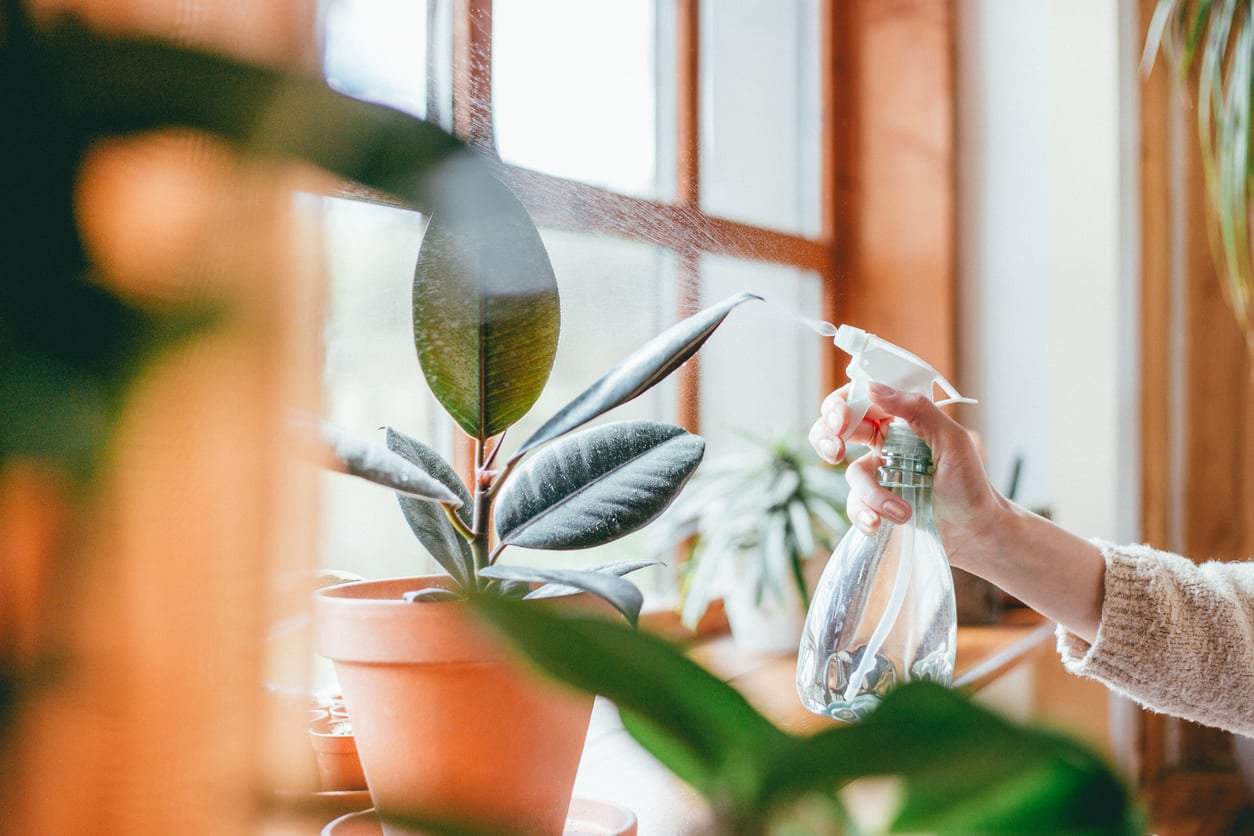
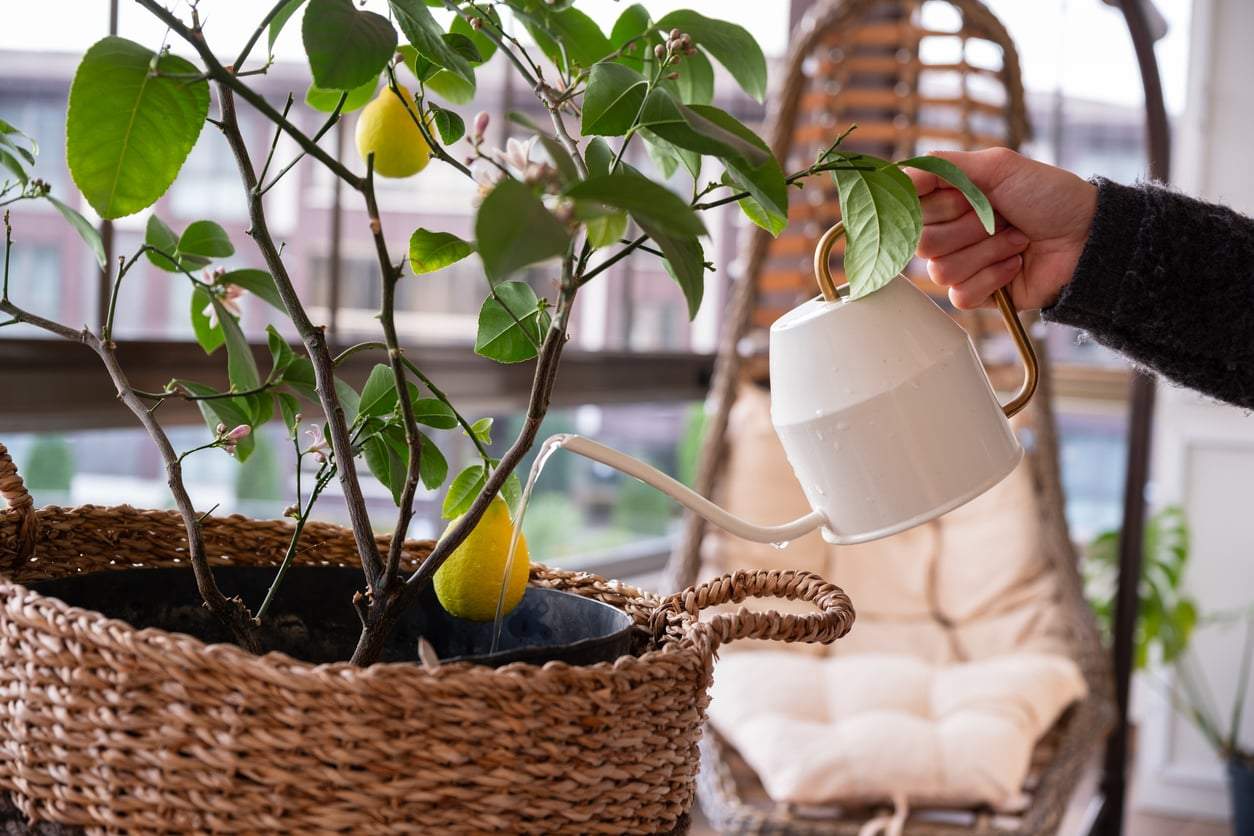
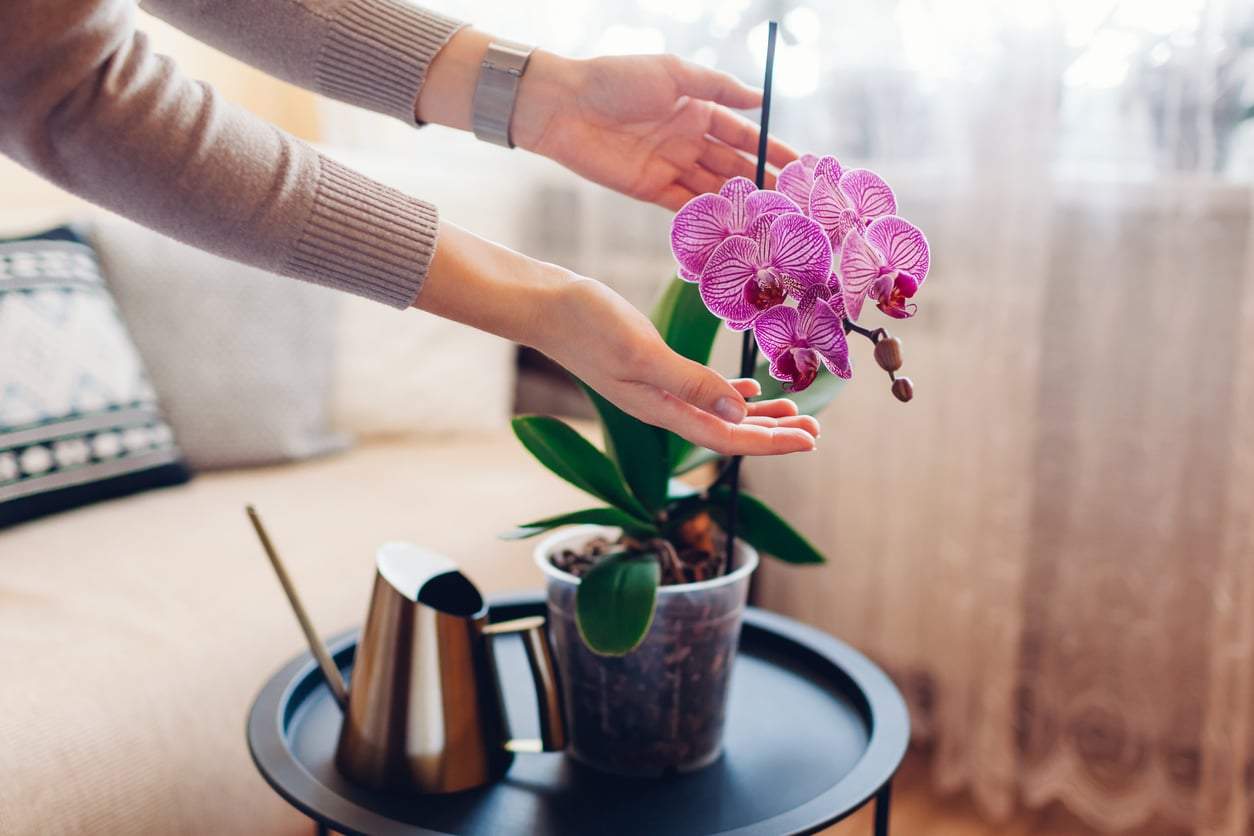
Plants need less water in winter. While summer heat calls for more hydration, winter’s cooler air slows evaporation, so overwatering can easily cause root rot. Pay attention to soil moisture and water only when the top feels dry.
2. Too Low Temperatures
Many houseplants are sensitive to cold. Keep them away from chilly drafts near windows or cold walls to avoid stress. Find a cozy spot with steady, comfortable temperatures to help them thrive.
3. Lack of Light
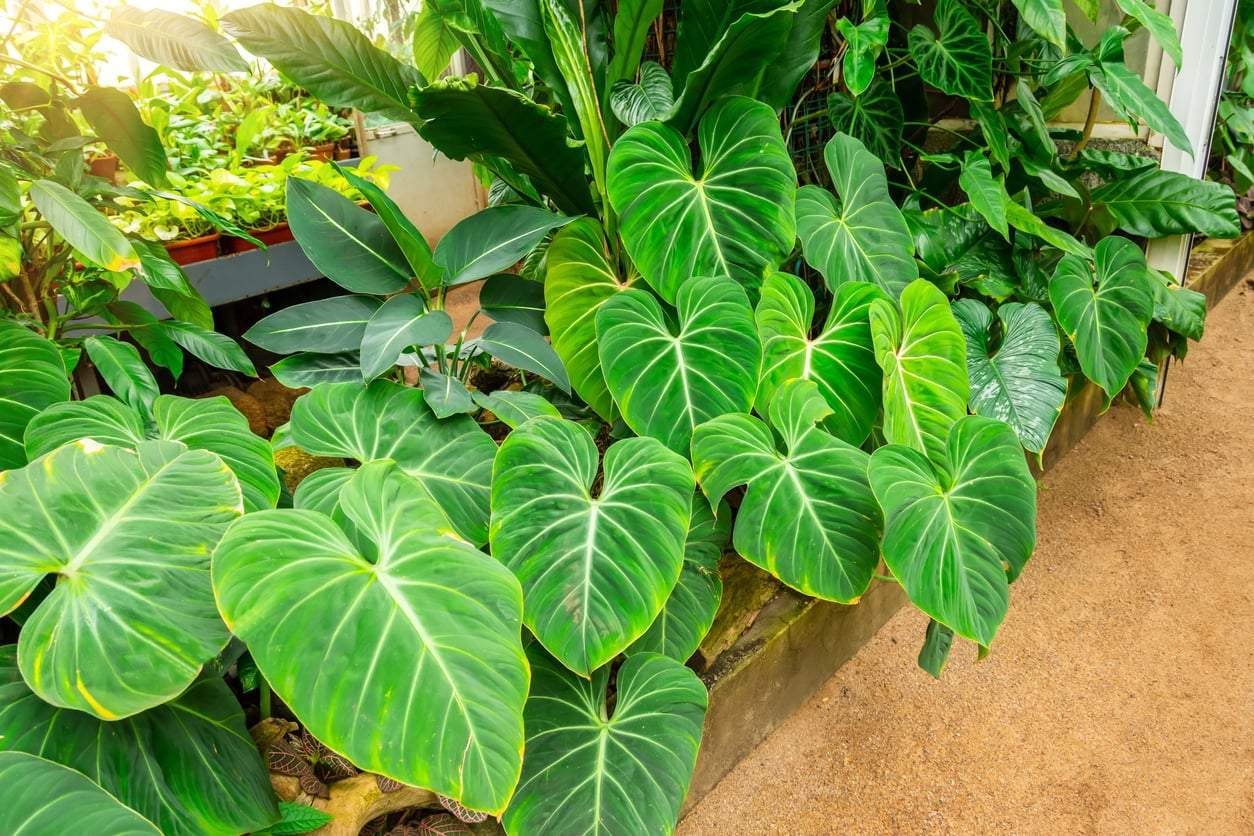
Shorter days and weaker sunlight often cause light deficiency in plants. Many forget to place their plants in the brightest spots during winter. This slows growth and dulls leaf color. Embrace the shorter days by maximizing natural light exposure.
5. Crowded Pots
Good airflow is key. Overcrowding plants in tight spaces blocks air circulation, risking mold and disease. Give your pots some breathing room for healthier growth.
6. Missing Nutrients
Plants still need nutrients in winter, though less than during their growth phase. Many forget to feed them, leading to weakness. Use a mild winter fertilizer occasionally to keep them strong.
7. Sudden Environmental Changes
Plants dislike sudden shifts in temperature, humidity, or light. Help them adjust gradually—don’t move them abruptly to a new room or spot.
8. Ignoring Soil Condition
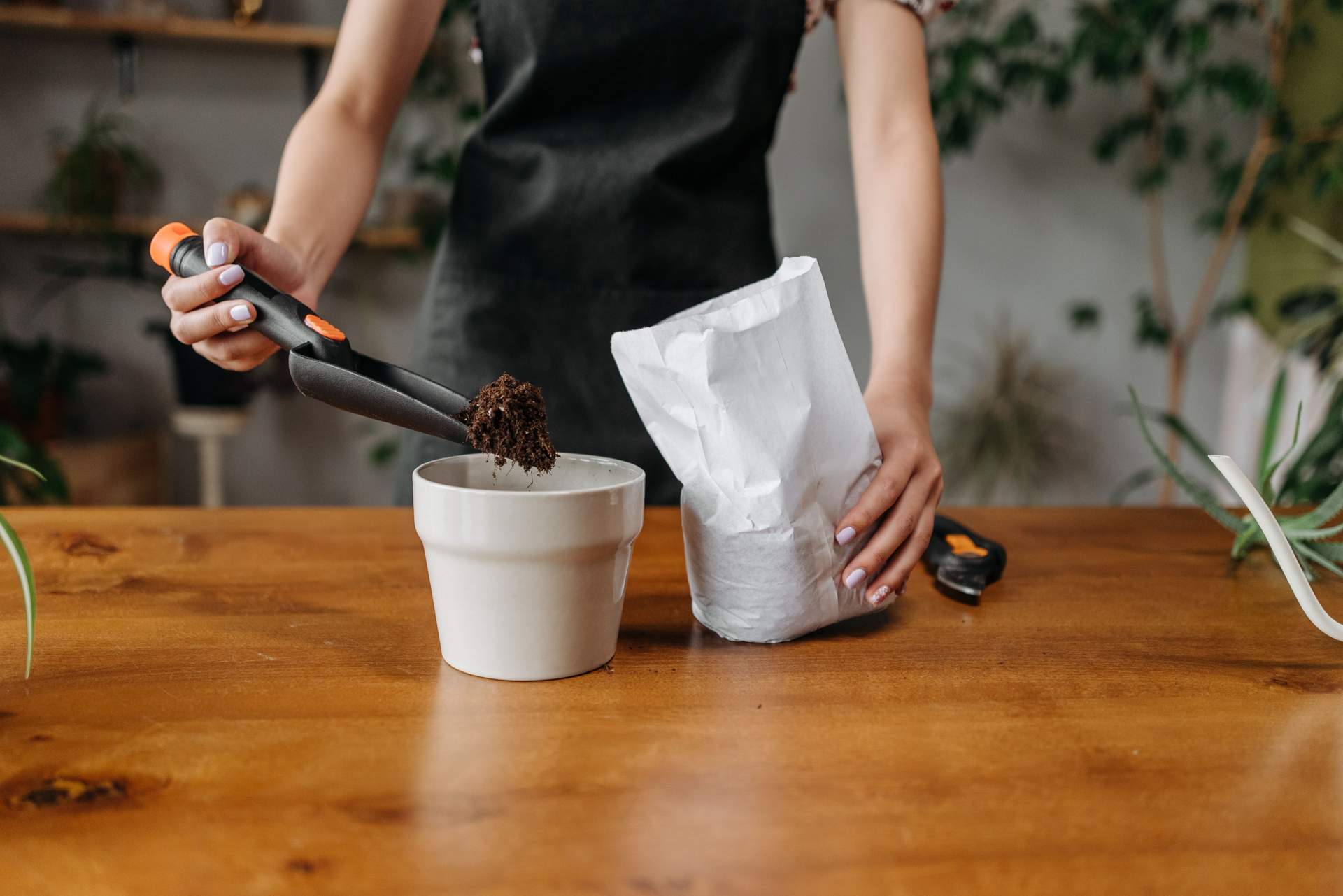
Don’t forget to check your soil in winter. Its condition, moisture, and texture affect plant health. Make sure soil drains well to avoid waterlogging and root rot.