Throughout human history, the female breast has always received great attention, both symbolically and aesthetically. Nevertheless, many misconceptions about breasts still vividly persist in public consciousness. It's time to thoroughly examine and dispel some of these widespread myths.
Breast size affects milk production
The first and perhaps most common misconception is that breast size is related to the amount of milk needed for breastfeeding. In reality, breast size primarily depends on the amount of fatty tissue, while milk production is the responsibility of the milk glands, whose number and capacity do not depend on the amount of fatty tissue. Therefore, women with smaller breasts are also capable of producing an adequate amount of milk.
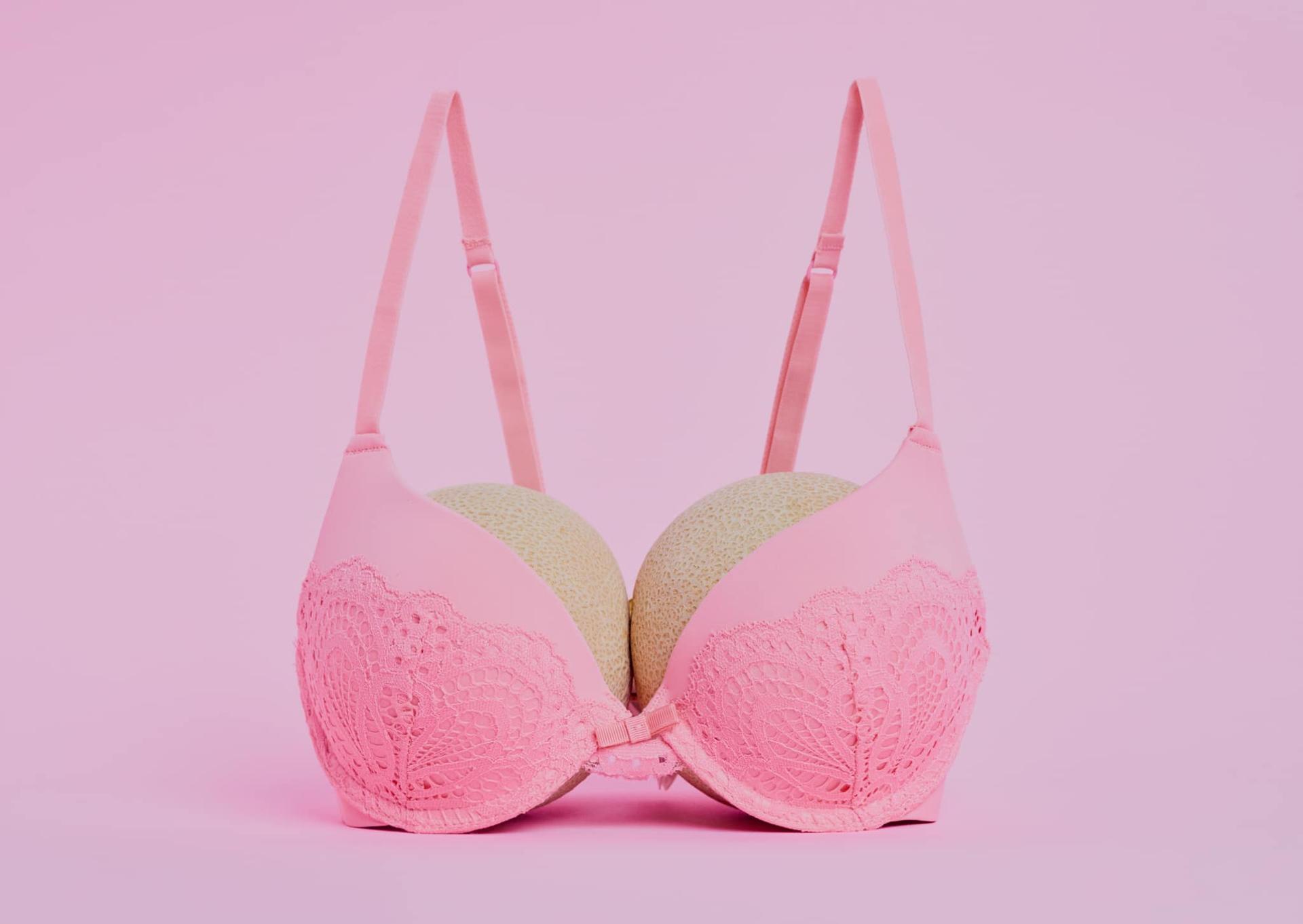
Wearing a bra prevents sagging
Many believe that wearing a bra daily helps maintain breast firmness and prevent sagging. Although it may seem logical, scientific research does not support this. Rather, skin elasticity and genetic factors play a role in this, rather than wearing underwear.
Both breasts are always the same
It is a misconception that every woman has perfectly symmetrical breasts. In fact, most women experience minimal differences. These differences usually do not cause concern and are considered completely normal in most cases.
Breast growth only happens during puberty
One might think that breasts mainly grow only during puberty, but in reality, this process can continue during many other stages of life. Hormonal changes such as pregnancy or menopause can also significantly affect breast size and shape.
Certain foods increase breast size
It is a popular belief that consuming various foods, such as eggs, milk, or soy products, can increase breast size. While diet can affect body fat percentage, there is no food that directly increases breast size. Breast shape and size are primarily determined by genetics.
Breast shape and size determine femininity
It is often heard that breast shape and size are decisive for femininity. However, this view is a stereotype that does not take into account the diversity of women. Femininity stems much more from identity and self-confidence than from appearances.
Every breast cancer lump is painful
The fact is that breast cancer lumps are not necessarily painful. They can often be completely painless, which is why regular self-examination and medical screenings are essential to recognize the signs in time.
Men are only attracted to large breasts
This stereotype is not only simplistic but often completely wrong. Men's attraction is influenced by many factors, not just breast size. Individual preferences, personality, chemistry, and many other aspects play a role in why someone finds another person attractive.
Breaking down misconceptions about breasts is not only informative but can also contribute to self-acceptance and increased self-confidence. It is important for women to be aware that their bodies are unique and special, and they should not feel pressured to conform to any artificially created ideal. As society becomes more open, hopefully, these misconceptions will gradually disappear from public consciousness.