When we think about the atmosphere at home, fresh, clean air and pleasant scents usually come to mind. But many common household items can quietly pollute indoor air, affecting our health over time. Let’s explore these items and how to protect your home’s safe, healthy vibe.
1. Candles and Incense
For many, candles and incense create warmth and coziness at home. While they set the mood, it’s smart to consider what they’re made of. Paraffin candles, for example, release harmful substances like benzene and toluene when burned, which can impact your respiratory health over time.
Incense can be similar, especially if treated with fragrances or synthetic chemicals. Opt for natural ingredients and keep your space well-ventilated to keep the air fresh.
2. Cleaning Products
Keeping your home clean is key, but many cleaning products contain toxic chemicals that can harm your lungs over time. Volatile organic compounds (VOCs) are common offenders, creating strong chemical odors indoors and irritating your respiratory system.
Choose eco-friendly cleaners made from natural ingredients. Simple staples like vinegar and baking soda can be powerful, gentle alternatives.
3. Air Fresheners
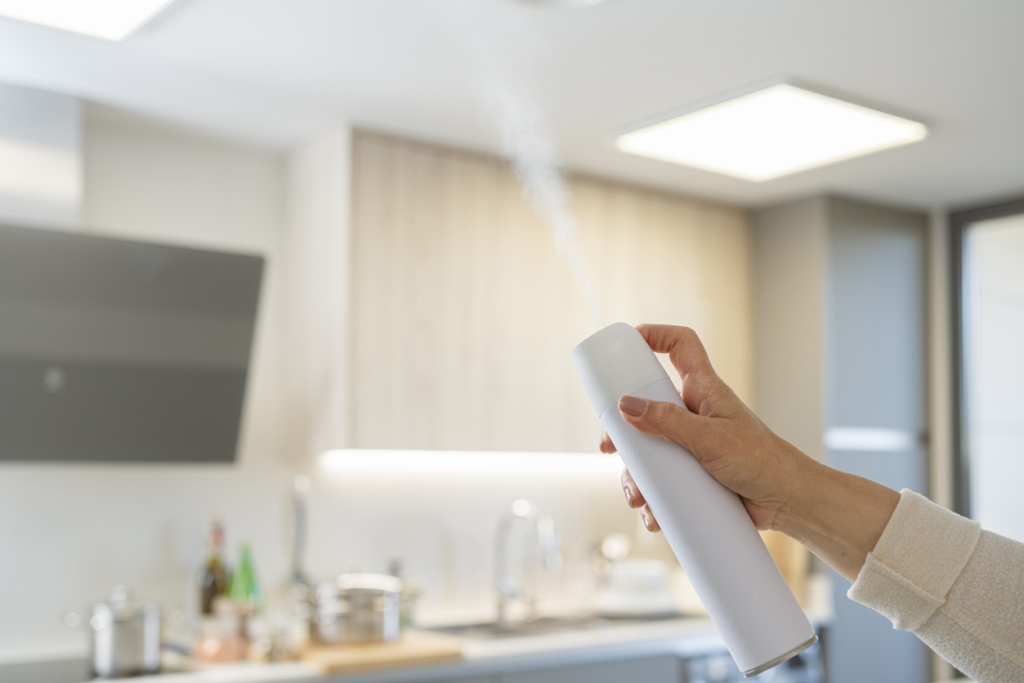
Air fresheners are popular for adding scent to your home, but many contain chemicals like VOCs and formaldehyde that can cause headaches, dizziness, or breathing issues.
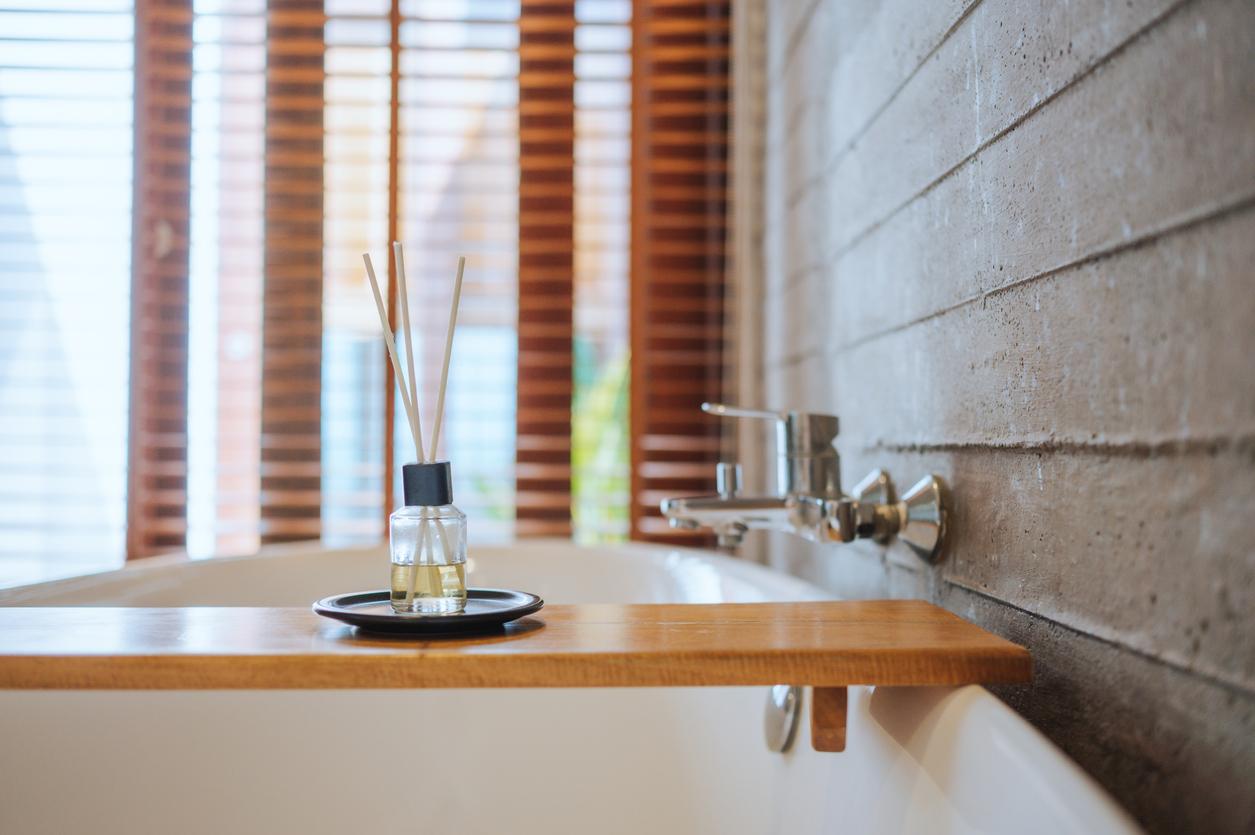
Try natural essential oils in diffusers instead—they freshen the air and offer soothing aromatherapy benefits.
4. Rugs and Upholstery
Rugs and upholstery add comfort and warmth, but their materials often contain chemicals like VOCs, phthalates, and other compounds that can slowly release into the air.
Regular cleaning and choosing natural fiber rugs can help keep your air fresh. Don’t forget to air out rooms regularly.
5. Paints and Varnishes

Refreshing walls or furniture with paint or varnish is a great way to update your space, but traditional products often contain harmful chemicals like VOCs, lead, or cadmium.
Protect your health by choosing eco-friendly, low-VOC paints and finishes to reduce airborne toxins.
6. Plastic Products
Polycarbonate plastics found in many containers and bottles can contain BPA, a chemical that may disrupt hormones and cause health issues.
Switching to glass or stainless steel alternatives can lower chemical exposure and keep your home safer.
7. Cosmetics and Personal Care Products
While cosmetics and personal care products boost appearance and hygiene, many contain chemicals whose vapors pollute indoor air. Hair sprays, deodorants, and perfumes often release VOCs that can be risky.
Choosing natural beauty products helps reduce chemical release and supports your well-being.
8. Electronic Devices

Many household electronics, including computers and TVs, can emit pollutants like brominated flame retardants (BFRs) when they heat up, which may affect health.
The key isn’t avoiding them completely but airing out rooms often and upgrading old devices to safer models.
9. Old Furniture and Building Materials
Old furniture and building materials containing formaldehyde or lead, especially in older homes, can slowly release toxic substances that harm health over time.
Renovating with modern materials or removing hazardous items can reduce these risks.
Keeping an eye on your home’s air quality and making small changes—like choosing natural materials and airing out your space regularly—can make a big difference in keeping your home safe and healthy.