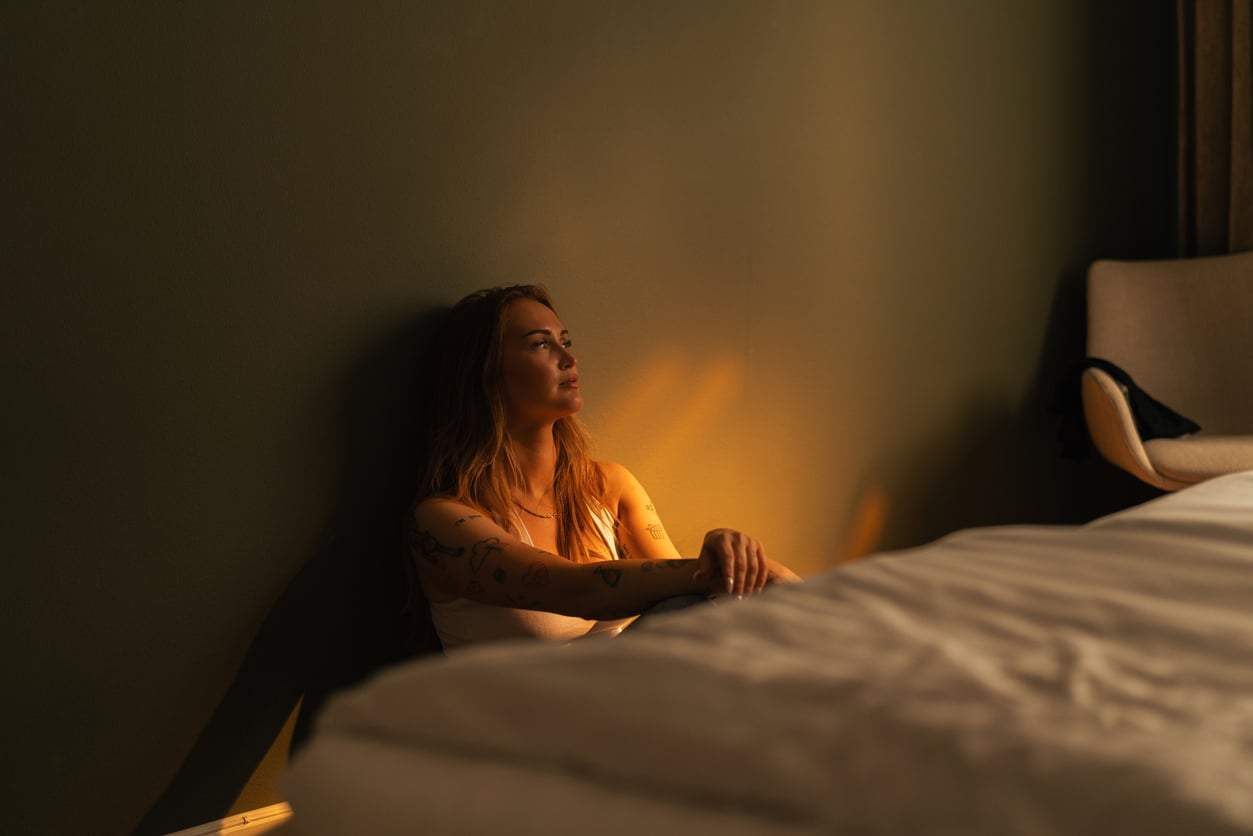
Imagine living through a pandemic, isolated and powerless. Your life feels out of control, you’re tense, and sleep won’t come easy. Then, confusing new symptoms appear—maybe your heart races unexpectedly, or you feel dizzy. Your stomach churns, and parts of your body seem to act on their own, screaming: something’s really wrong. You fear the person you’ve become more than the virus itself. The scariest part? Those invading fears strike without any real danger.
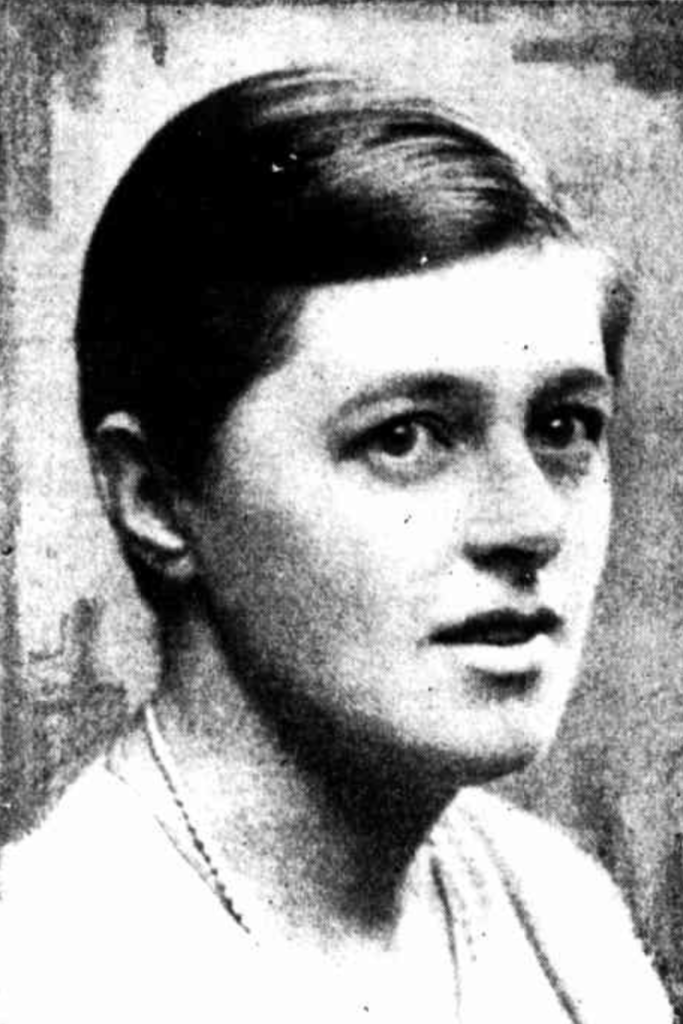
In 1927, 24-year-old Claire Weekes lived exactly this. A brilliant young researcher, she was on track to become the first woman to earn a science doctorate at the University of Sydney. Then she caught tonsillitis, lost weight, and started experiencing heart palpitations. Her local doctor—working with limited evidence—diagnosed her with tuberculosis and sent her to a sanatorium outside the city.
“I thought I was dying.”
– she wrote to a friend. The months of isolation only deepened her anxiety about her symptoms. When she was finally released after half a year, she felt worse than before.
A Soldier’s Advice That Changed Everything
A friend who was a World War I veteran explained that soldiers with "shell shock" experienced exactly these physical symptoms. Her heart raced because she was afraid of it. “Don’t fight the fear,” he told her, “just float through it.”
This simple sentence became a life-changing insight. Weekes later became a doctor and in 1962 published her worldwide bestseller, Self-Help for Your Nerves. Back then, psychological issues were mostly treated with Freudian analysis: dig deep into childhood, find the root cause. Weekes took a different path. She “got people off the couch” and sent them back into life. She believed fear drives most nervous suffering. And it’s not the original problem that keeps it going, but the dread of “what’s happening to me now?”.
First and Second Fear – The Brilliant Insight
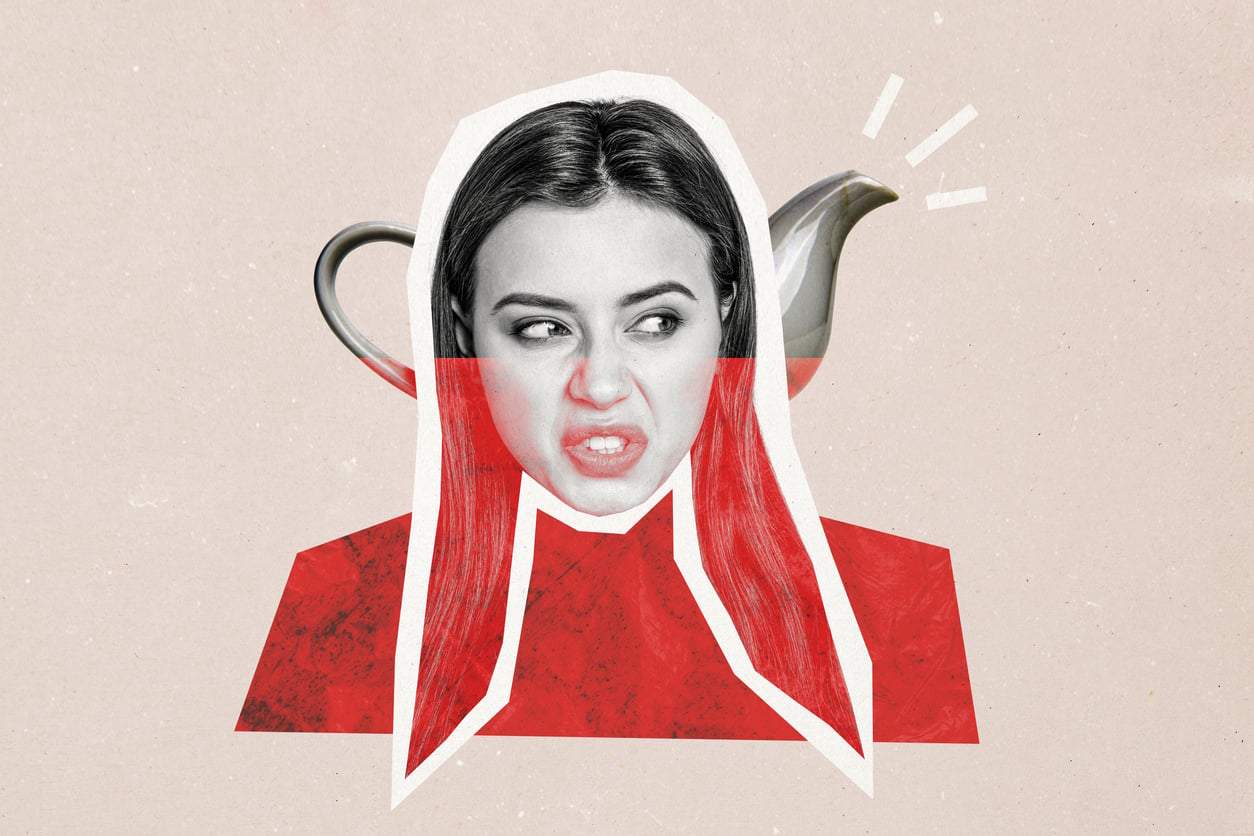
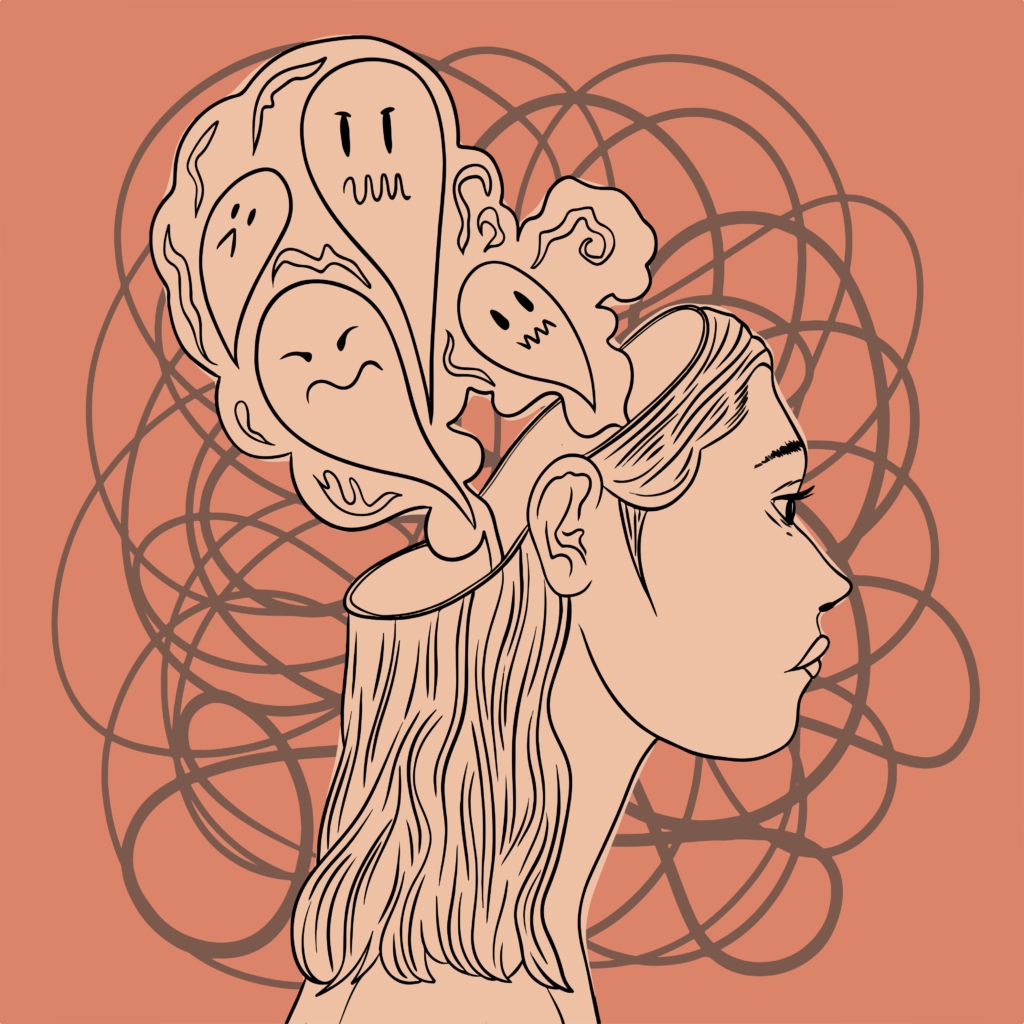
Weekes distinguished between first and second fear. The first fear is the automatic survival reaction. Today we call it fight, flight, or freeze. It’s that lightning-fast physical alarm that can trigger even when there’s no real danger—especially in a sensitive nervous system.
The second fear is the thought itself:
“Oh my God, what is this?”
“What if I’m going crazy?”
“What if I die?”
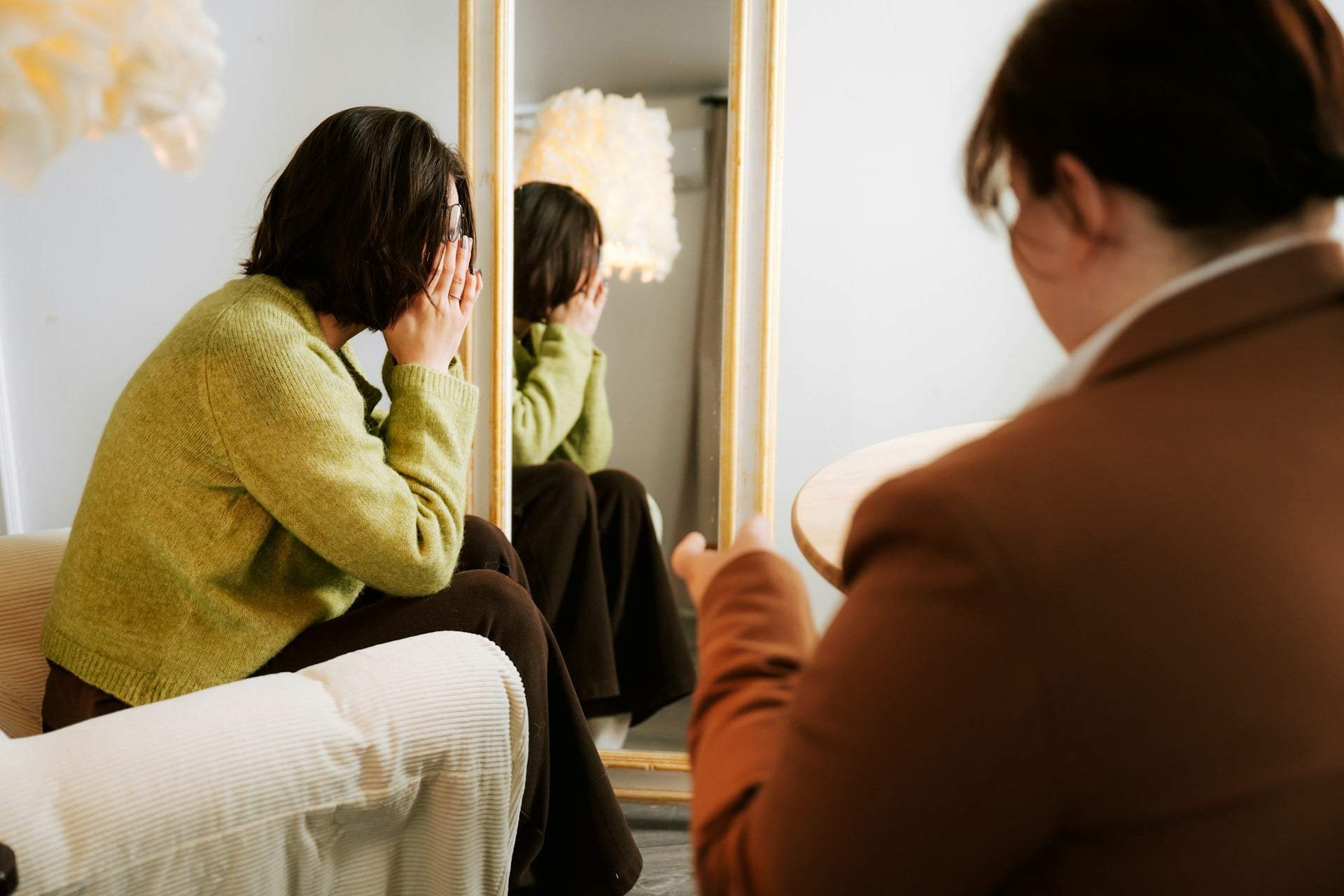
This sparks the fear–adrenaline–fear vicious cycle. And here’s the advice that still sounds radical today: don’t fight the fear.
The 4 Phrases That Helped Millions
Weekes summed up her method in just a few words: Face it. Accept it. Float through it. Let time pass.
Most of us try to escape symptoms, tense up to control them, constantly monitor our bodies, and expect instant relief.
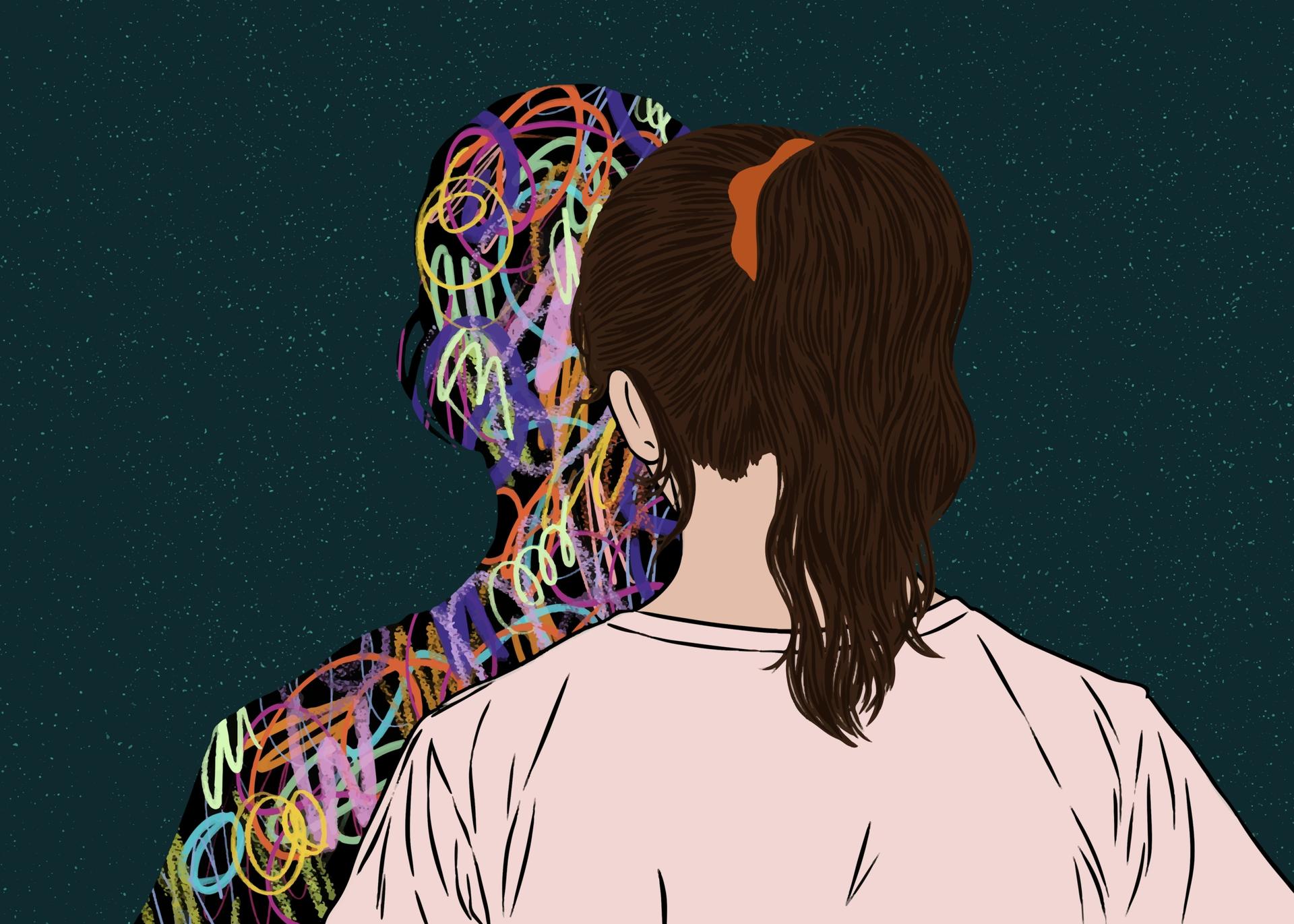
For her, “acceptance” wasn’t resignation but letting the first fear fade without pouring the second fear’s gasoline on it. It was essentially retraining the nervous system—long before brain plasticity became a buzzword.
The Experts Dismissed It, But People Didn’t
Though her books became bestsellers, psychiatry was slow to take her seriously. Some called her advice “old-fashioned granny tips.” Today, her ideas echo in modern approaches. Acceptance is now a standalone therapy, like Acceptance and Commitment Therapy (ACT). Theories on fear and nervous system function, plus trauma research like Bessel van der Kolk’s The Body Keeps the Score, emphasize the key role of the body and nervous system. Weekes was simply ahead of her time.
The Best Part? She Didn’t Fully Heal
For a long time, she said she healed immediately after the soldier’s advice. Later, she admitted: her anxiety returned again and again. But she didn’t see this as failure—it was practice. She wrote that relapse is part of recovery, not proof that “something’s wrong again.”
She lived to 87. Her frightening, racing heart from her twenties kept beating for six more decades. Before she passed, she said her work would still be relevant 50 years later. And she was right. Today, as we talk about nervous system regulation, trauma healing, and acceptance-based therapy, she was already teaching: fear isn’t the enemy—how we fight it is. And that idea remains incredibly freeing.