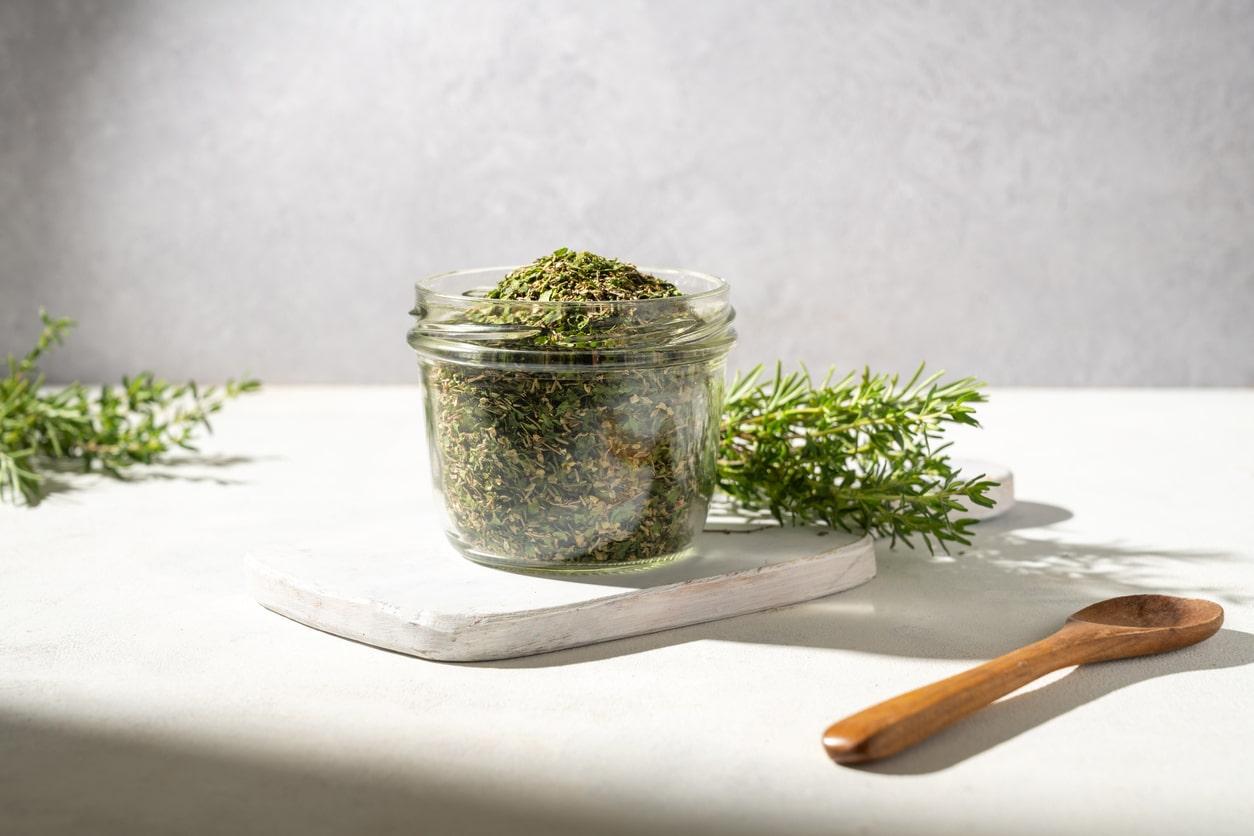
August, the last month of summer, is a special time for gardeners and herb lovers. During this period, plants are richer in essential oils and flavors than at any other time of the year. Let’s explore how to effectively dry and preserve these herbs at home, with a special focus on rosemary.
Rosemary’s Peak Essential Oil Moment
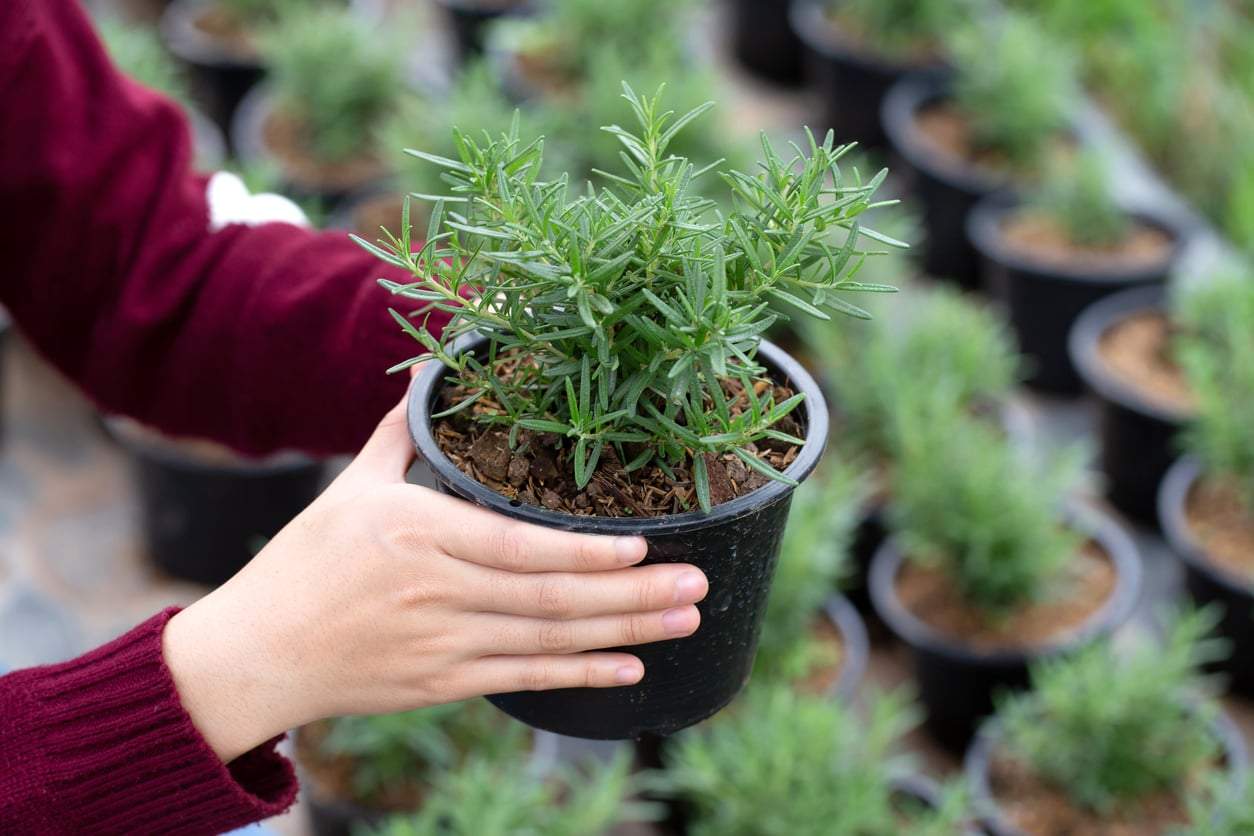
Rosemary (Rosmarinus officinalis), one of the most beloved Mediterranean herbs, reaches its peak essential oil content between July and August. This means the aromas are at their most intense, making it the perfect time to dry and save for later use.
Drying freshly cut rosemary branches is especially important to preserve its unique flavor all year round. Dried herbs can be used in cooking or even as charming kitchen or living room decor.
Which Herbs Are Worth Drying in August?
August is also ideal for drying other Mediterranean and common culinary herbs like:
- Oregano: A must-have for pizza and Italian dishes. Its leaves dry quickly and develop even richer aromas after heat treatment.
- Marjoram: A close relative of oregano, perfect for flavoring soups, meats, and sauces. It dries similarly to oregano.
- Basil: A bit trickier to dry, but the rich aroma of basil leaves is well worth the effort. Store dried basil in airtight jars.
How to Dry Herbs at Home
There are several ways to dry herbs at home, depending on your tools and space. Air drying is one of the most popular methods. Tie small bundles of herb stems and hang them upside down in a well-ventilated, shaded spot. This works especially well for rosemary, oregano, and marjoram.
Another effective method is oven drying, which speeds up the process. Set your preheated oven to a low temperature (around 40-50 °C / 104-122 °F) and place the herbs on a baking rack for even drying. Keep the oven door slightly open to let moisture escape. This method is great for tougher-leafed herbs like rosemary.
Practical Tips and Tricks for Drying Herbs
Keep a few basics in mind when drying herbs: use only the freshest, healthiest leaves and stems to capture the most flavor. Always wash and dry herbs thoroughly to prevent mold or mildew during drying.
Since different herbs have varying essential oil levels, experiment with drying times and methods to find what brings out the best flavor.
Storing Dried Herbs
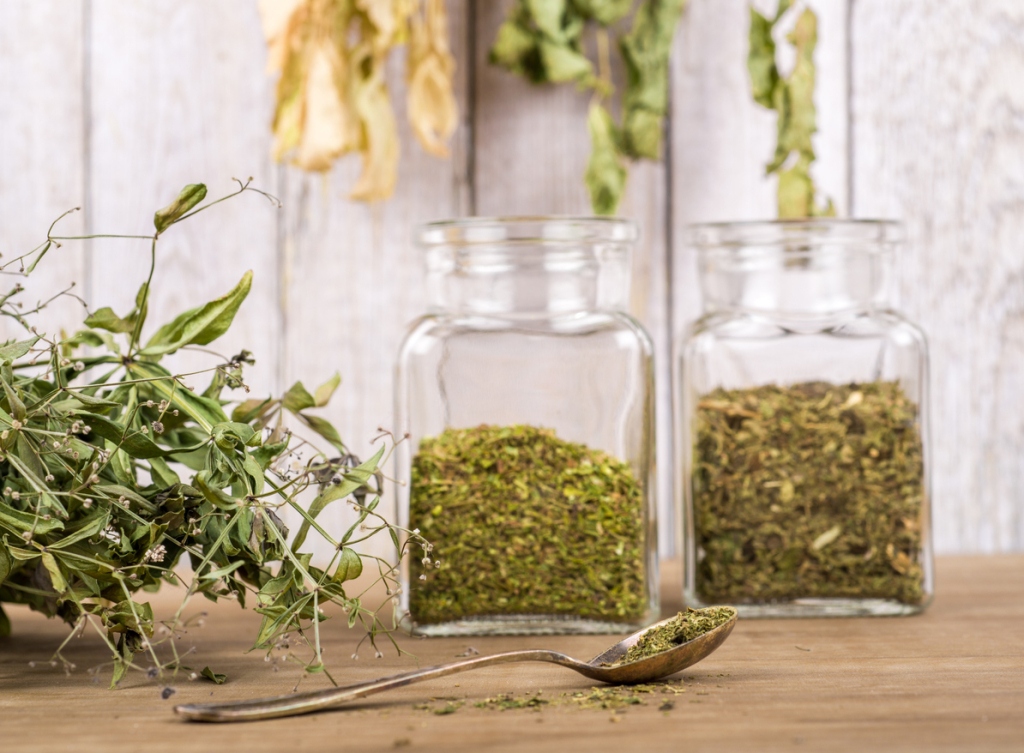
After drying, store herbs in airtight containers to keep them fresh. Glass or metal jars are ideal as they protect against light and moisture. Keep your herbs in a cool, dark place to enjoy their aroma longer.
Not only practical but also stylish, storing different herbs in glass jars in your kitchen keeps them within easy reach and adds a lovely visual touch.