More and more of us feel something has gone seriously wrong: social media has become a space where our kids are far more vulnerable than we ever imagined. In Austria and France, teens are being excluded from social media platforms.
For the first time, it’s not just concerned moms and dads talking quietly among themselves—governments are stepping in too. It seems that parenting alone might not be enough; regulation could be necessary.
When a Ban Is No Longer Extreme
In recent months, a wave of decisions and proposals have emerged aiming to clearly limit social media use for under-14 and under-16 year olds. Some call for full bans, others for stricter age verification, and some want to return control to parents. The common thread? Increasingly, it’s accepted that the current system doesn’t protect kids enough.
As a parent, this problem is easy to understand. Just think about how many times we’ve argued over screen time, what they can watch or download. Behind these fights isn’t just defiance—it’s simply how the online world works.
Policymakers point to the same issues: disrupted sleep, worsening focus, constant, self-esteem-damaging comparisons, online bullying, and content related to sexuality or self-harm.
These issues aren’t isolated incidents—they’re statistically measurable trends.
Lawsuits have been filed against platforms in several countries because families say their kids encountered content that seriously endangered their physical or mental health. And this will likely only intensify as artificial intelligence becomes more deeply integrated into content creation…
Technology Can Do It—The Question Is, Do We Want To?
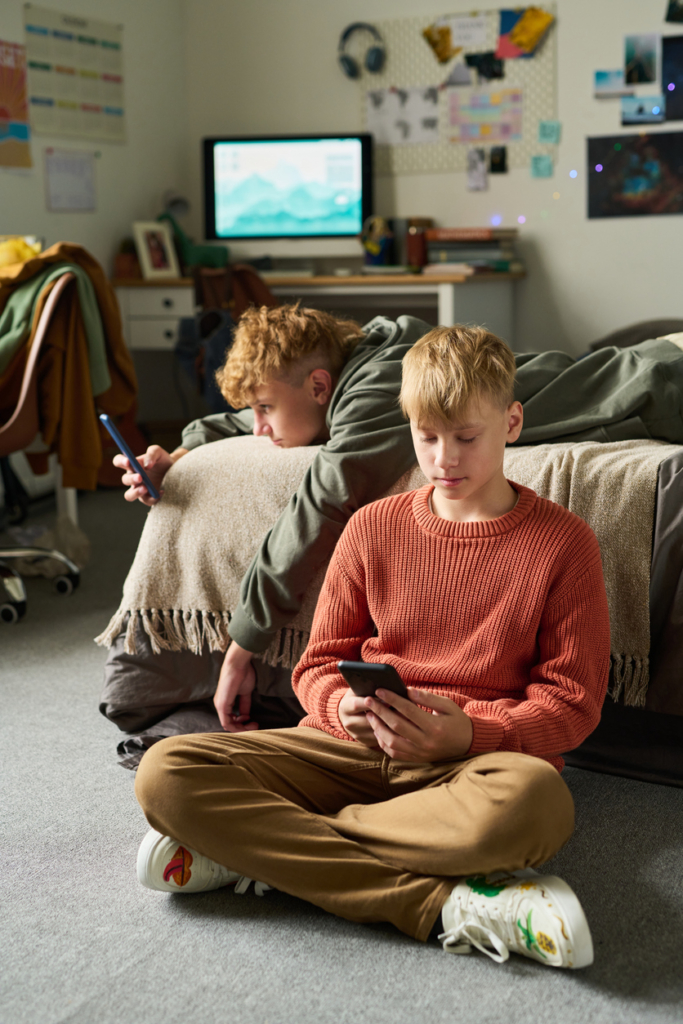
The biggest debate isn’t whether limits are needed, but how to enforce them. The tech is already here: digital IDs, facial recognition, behavior analysis are available to governments. Some countries want to use these tools, but serious privacy concerns arise. As parents, we get it: while wanting to protect our kids, we don’t want another system collecting sensitive data before they’re even adults.
This tension is very real in our daily lives: I want to give my daughter both safety and freedom—to explore, learn, and understand how the system works, while trusting her. It’d be amazing to relax knowing she’s safe, but I also know that’s not the full picture.
Right now, freedom and independence come at too high a cost: our kids’ nervous systems and self-worth are paying the price.
Behind the Numbers Are Real Kids
When we read that millions of 7-14 year olds use platforms they’re officially too young for, it’s worth pausing. These kids’ self-image, confidence, and relationships are shaped in this digital world. And while adults struggle with constant comparisons and information overload, we expect kids to filter it all skillfully… We want them not to take it personally, but teenage brains aren’t developed enough for that yet.
That said, we can’t say social media is all bad—it’s where we get tons of info, from class chatter to city and country-wide discussions. But it’s clear these platforms have become too influential during a stage when kids lack the inner defenses.

What Does This Mean for Parents?
At first, bans can feel harsh. How can you fully exclude a teen from the space where their peers connect daily? Won’t this just make them more curious and clever at finding loopholes? These worries are totally valid.
But current measures don’t say parents have failed; rather, we can’t handle regulation alone—especially since generational gaps and lack of info make it tough. Plus, when a multi-billion-dollar industry’s algorithms compete with our nightly talks, it’s hardly a fair fight. Regulation might give us some relief, so we don’t always have to play the “bad cop” who bans everything.
Ban or Guidance?
My question in the title was meant to provoke because the answer isn’t black and white. Banning alone isn’t enough; without explanation and trust, it just breeds resistance. And let’s be real: kids will find loopholes just like we did. But guidance doesn’t work without boundaries and rules—not in childhood, and especially not when living with tweens and teens. Keep in mind, a 13–14-year-old’s brain is still developing, impulse control is weak, and sensitivity to feedback is intense. Parental logic alone can’t balance this.
Countries taking action now are thinking in complex ways: bans, parental tools, digital education, awareness, and holding platforms accountable all come together in regulations.
Legislation takes time, while kids keep growing every moment. Bans alone won’t solve this; we’ve seen many failed examples. But state-regulated frameworks can help create new rules, spark discussions, and remind us not to forget parenting and parental responsibility. We need to keep reminding our kids that what they see on screens isn’t always real, likes don’t equal worth, and sometimes silence offers more than constant scrolling.
The fact that this is now a national conversation might mean we’re finally taking seriously how much is at stake in how and what our kids grow up with.