Valencia has become one of Europe's most talked-about destinations, and for good reason. But with the hype comes the crowds, the inflated prices, and the sneaking feeling that you're experiencing a curated version of Spain rather than the real one.
Before you hit "confirm" on that flight, let me tell you about a corner of the Spanish Mediterranean that genuinely surprised me — one that's more affordable, more authentic, and honestly, more enjoyable than I expected.
The airport hack that changed everything
When planning the trip, I stumbled onto something most travelers overlook: there are direct flights from Budapest into Castellón de la Plana, right on the Costa Azahar. And this turned out to be one of the best decisions we made.
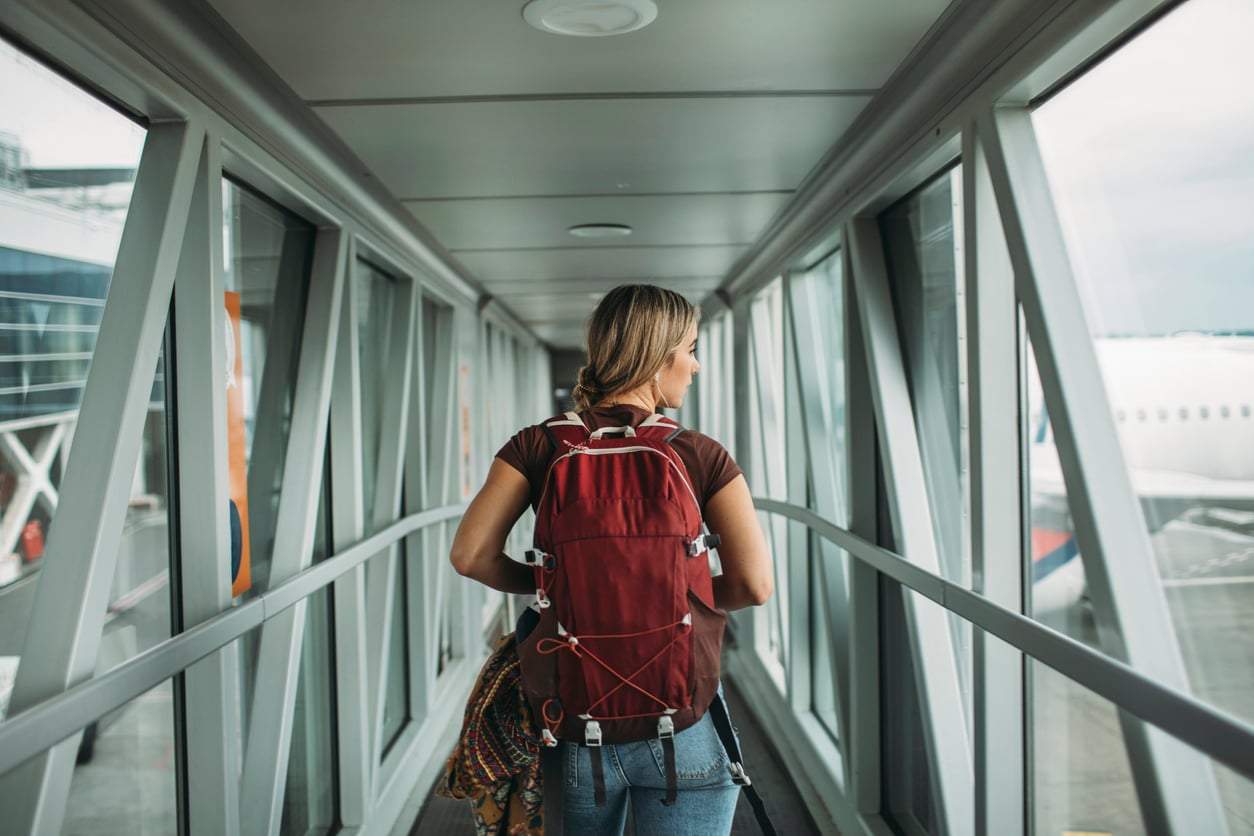
Instead of landing in a sprawling, soul-crushing mega-terminal, we touched down at an airport with just three gates. No endless corridors, no queue anxiety. The warm Spanish air hit us the moment we stepped outside, and we had our rental car in hand within minutes. The whole arrival experience felt almost surreal in how painless it was.
Where the Mediterranean lifestyle is still affordable
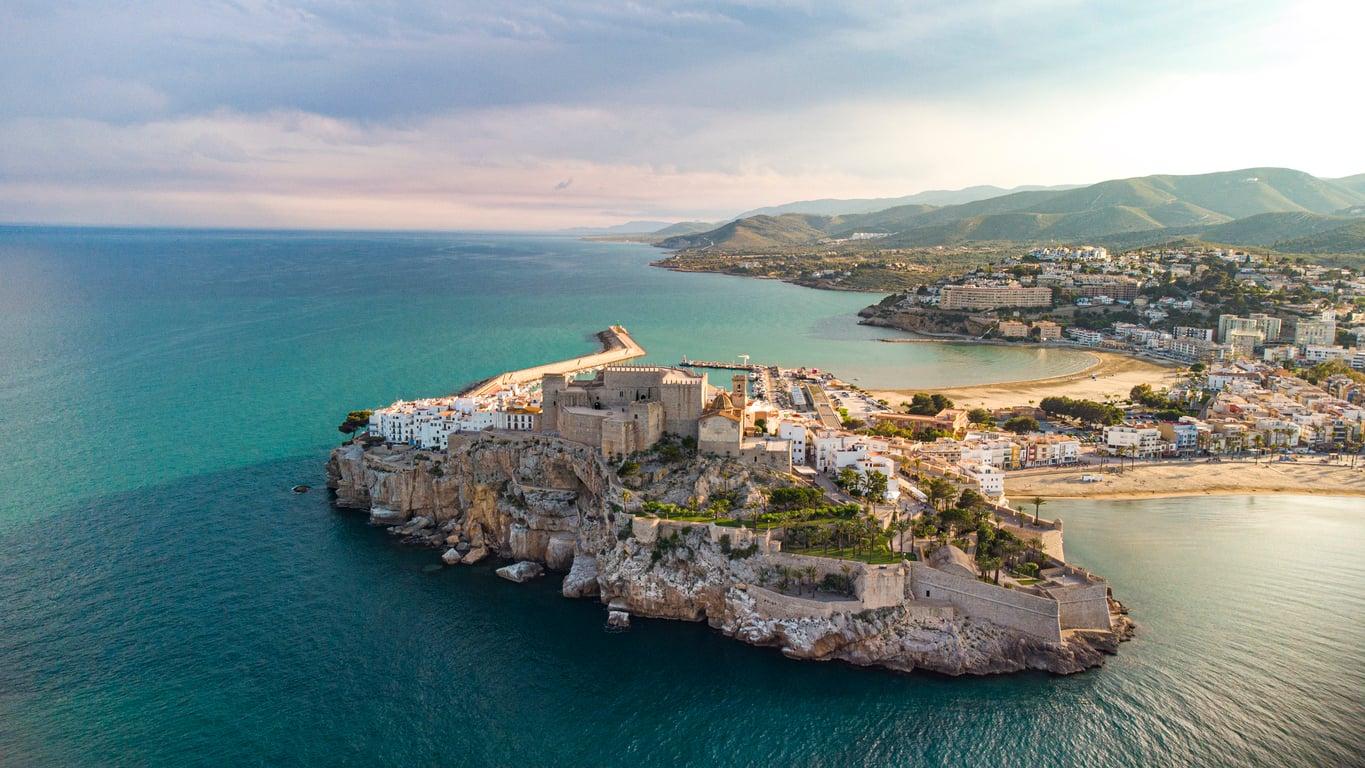
We based ourselves on the Costa Azahar — the Orange Blossom Coast — and explored the surrounding area thoroughly. What struck me most was how this region has managed to hold onto both its traditions and its reasonable prices.
While tourist traps and inflated menus are increasingly common in Valencia's trendier neighbourhoods, price-gouging felt genuinely foreign here. The locals simply haven't adopted it.
Accommodation costs were a fraction of what you'd pay in a major city. Parking was free along most of the coastline — we only paid a few euros when we chose an underground garage to be closer to a specific spot. And the beaches? Not a single entrance fee, ever.
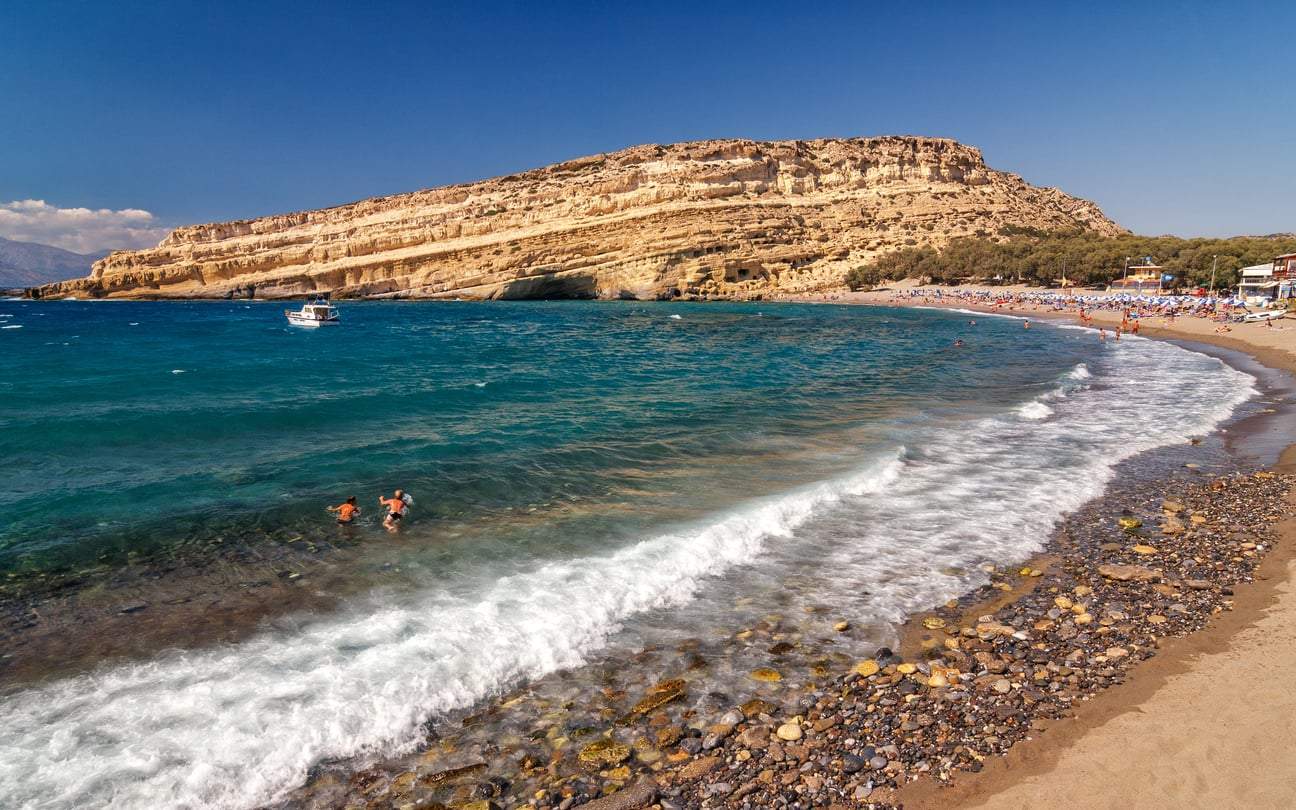
Speaking of beaches: we visited in the last week of May, and the shores around Benicàssim and Peñíscola were gloriously uncrowded. Wide, fine-sand stretches of coastline where you could actually breathe. The sound drifting on the breeze was Spanish families chatting and laughing — and it pulled us immediately into the local rhythm.
Morella and Vilafamés: two hidden jewels inland
Once we ventured away from the coast, we discovered medieval villages that completely stole our hearts. Morella looks like a film set from the moment it appears on the horizon — a hilltop town encircled by monumental walls, rising dramatically from the landscape of the Maestrat region.
Climbing the steep, winding cobblestone streets toward the Gothic Santa María Basilica and the castle above, you genuinely feel history pressing in around you. The panoramic view from the top — wild, rolling terrain stretching to the horizon — is the kind of thing that stays with you.
But if Morella was breathtaking, Vilafamés became my outright favourite. This village is built into reddish-brown rock, with houses draped in cascading flowers and lanes so picturesque that every corner begs to be photographed. From the highest point, olive groves and distant mountains spread out below in a view that felt almost painted.
There's also a curious geographical detail: the Prime Meridian passes through the outskirts of Vilafamés. So we could honestly say we stood on the exact boundary between East and West — in Spain, of all places.
Pink flamingos and a landscape unlike anything else
The undisputed highlight of the trip was the Ebro Delta National Park, about an hour north — where Spain's longest river meets the sea. This is a flat, almost otherworldly landscape of endless rice fields and mirror-still lagoons.
We took a boat tour and drifted past reed-lined banks and palm-fringed shores, watching the river dissolve into the Mediterranean. At the MónNatura Delta Park, we peered through binoculars at wild pink flamingos wading serenely in their natural habitat, surrounded by an astonishing variety of birdlife.
We ended the day at the Trabucador sandbar — a vast, open stretch of sand where the sea felt enormous and elemental, more like an ocean shore than a sheltered Mediterranean cove. It was one of those swims you don't forget.
Valencia is still worth a day — just one day
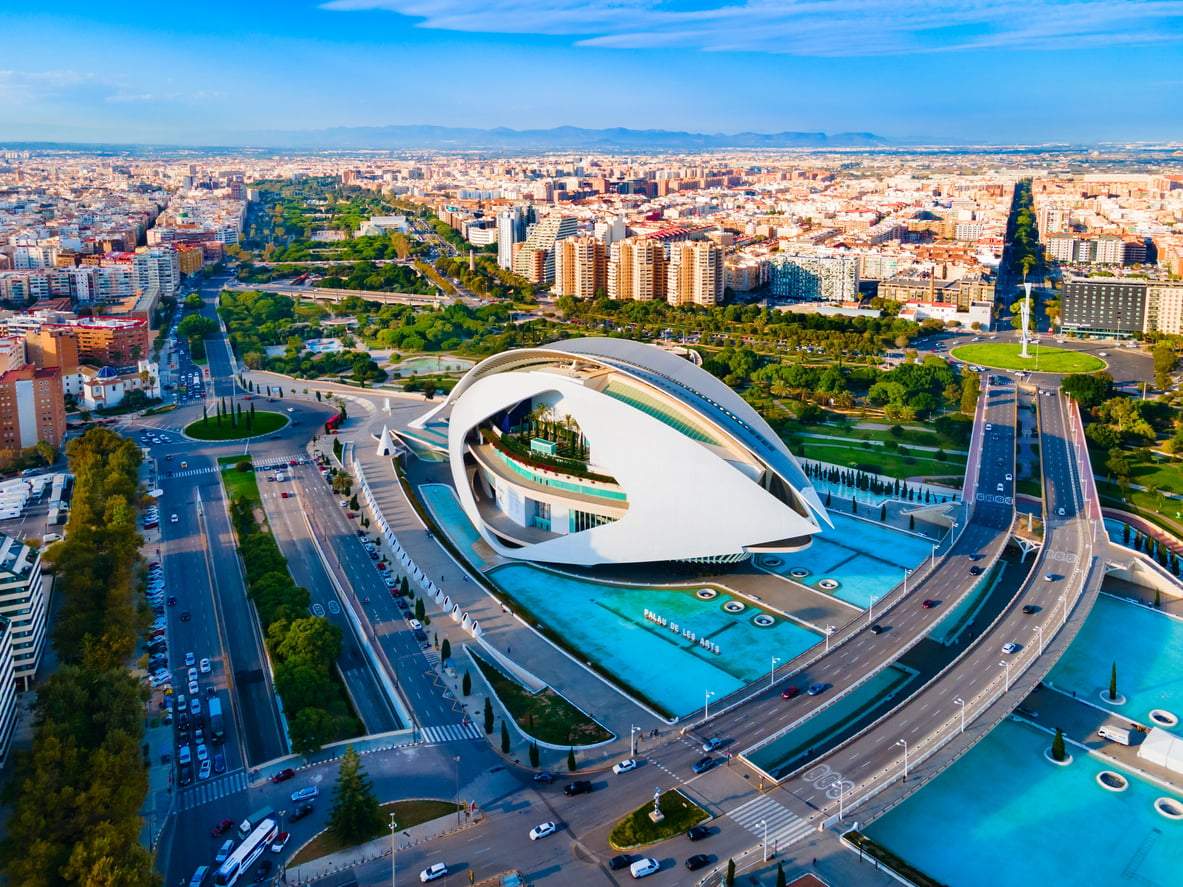
Of course, we didn't skip Valencia entirely. The futuristic City of Arts and Sciences and the cathedral are genuinely unmissable, and the old town is strikingly beautiful — clean, airy, lined with palms and architectural surprises at every turn.
We gave it one full day, which suited our pace perfectly. Mornings in the historic centre, afternoons walking through the Turia Gardens — the city's beloved park built in a former riverbed — and then a comfortable air-conditioned bus back to our starting point, before driving back to our quiet base on the Orange Blossom Coast.
Valencia is wonderful, and yes, you should see it at least once. But the real magic of Spain isn't on the overexposed Instagram highlights. It's in the fisherman waving from his boat, the waiter who asks at 9pm whether you'd like coffee with your dessert, and the medieval village where history isn't behind glass — it's simply the street you're walking on.