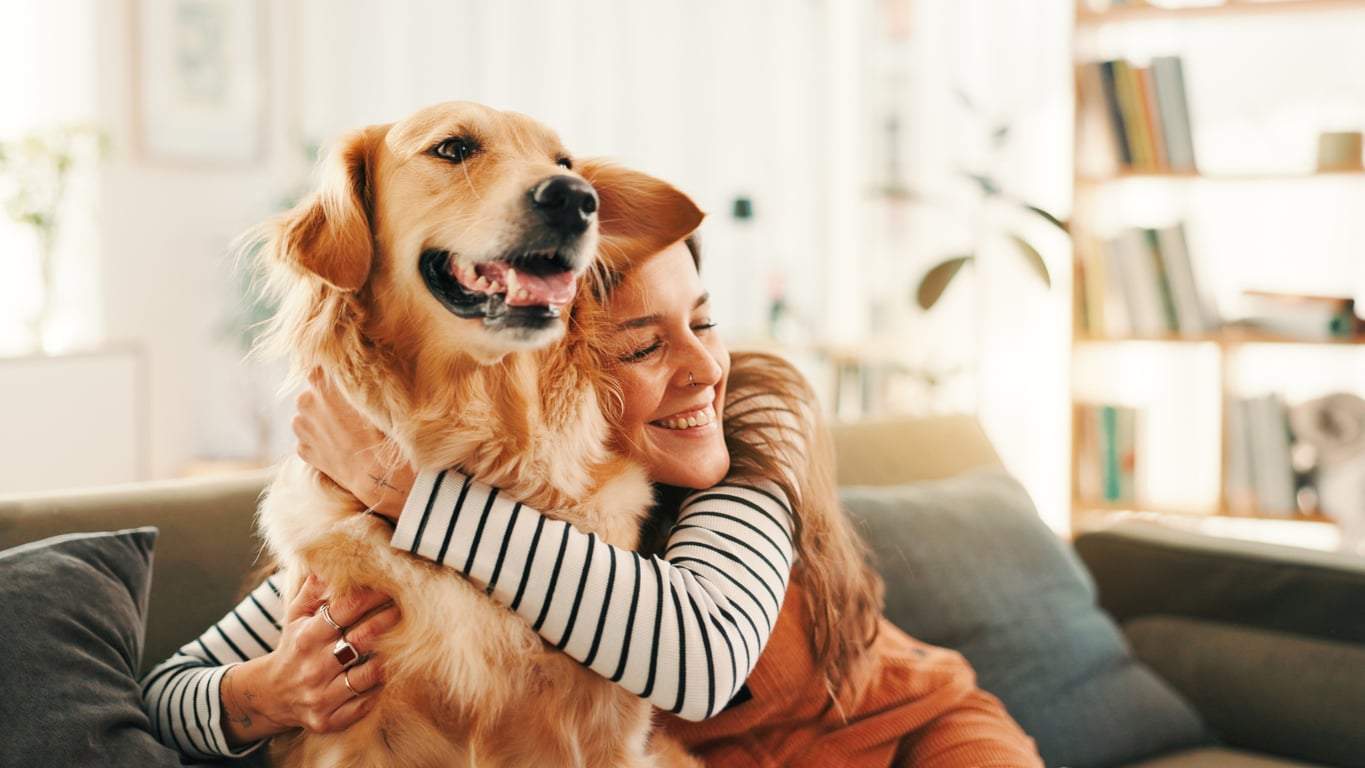
Many of us might feel that our pets fill a kind of substitute child role in our lives. But what’s the psychology behind this? Research shows that our bond with pets often satisfies parental instincts, as we provide care, attention, and love just like we would for a child.
The Psychology of Attachment
Attachment theory explains that humans have a basic need to form close interpersonal bonds, often fulfilled through love and affection. John Bowlby and Mary Ainsworth’s landmark studies reveal how people form attachments—and how this applies to our relationships with animals, too.
A study published in the Animal Cognition journal found that dog owners, in particular, develop especially strong emotional and caregiving bonds with their pets.
The study highlights that dogs often show caregiving behaviors similar to human infants, triggering their owners’ parental instincts.
The Case of Childfree Couples

For many couples without children, caring for and raising a pet can be a meaningful way to fill the parental role. Research also shows that those who can’t or choose not to have children often feel social pressure, which they may ease through the emotional rewards and recognition found in pet care.
Research from the University of Tennessee found that childfree women and men often show stronger attachments to their pets, perceiving their presence much like that of a child.
Through caring for their pets, they experience the comforting routines and emotional richness tied to daily habits.
Emotional Support and Stress Relief
Our relationships with pets don’t just satisfy parental instincts—they’re powerful tools for boosting mental health. Studies show that spending time with animals can reduce stress and anxiety while increasing feel-good hormones like oxytocin.
At the University of Miami, researchers measured owners’ oxytocin levels and found significant increases during time spent with their pets, supporting the stress-relieving effects of animals. Pets also encourage physical activity—like walks and play—which benefits both body and mind.
Community Role and Social Connections
Many pet owners share how their animals help them build new social connections. Pet-friendly communities, online forums, and dog-walking groups offer supportive spaces and shared experiences.
A study by Queen Mary University of London found dog owners are more likely to form new social bonds, especially with fellow pet lovers. This not only boosts social life but also provides emotional support, strengthening a person’s sense of belonging and well-being.