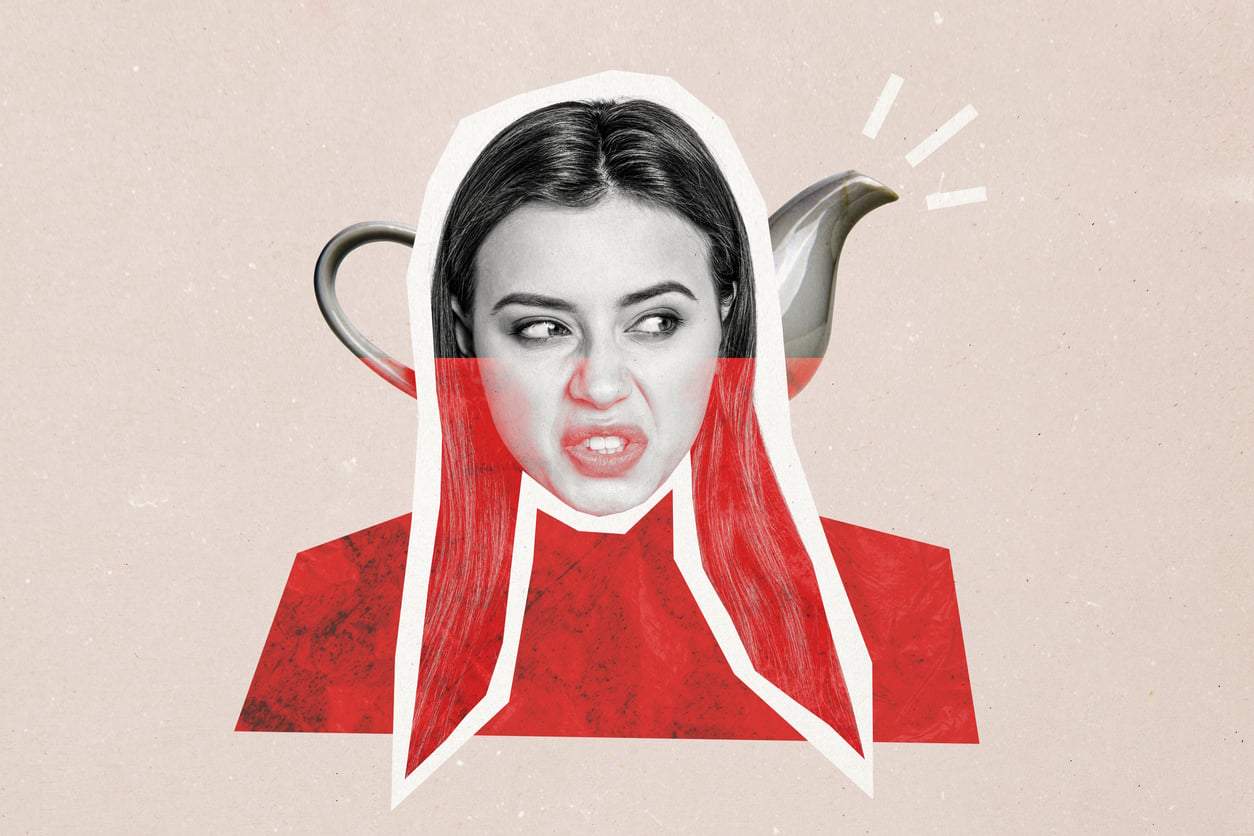
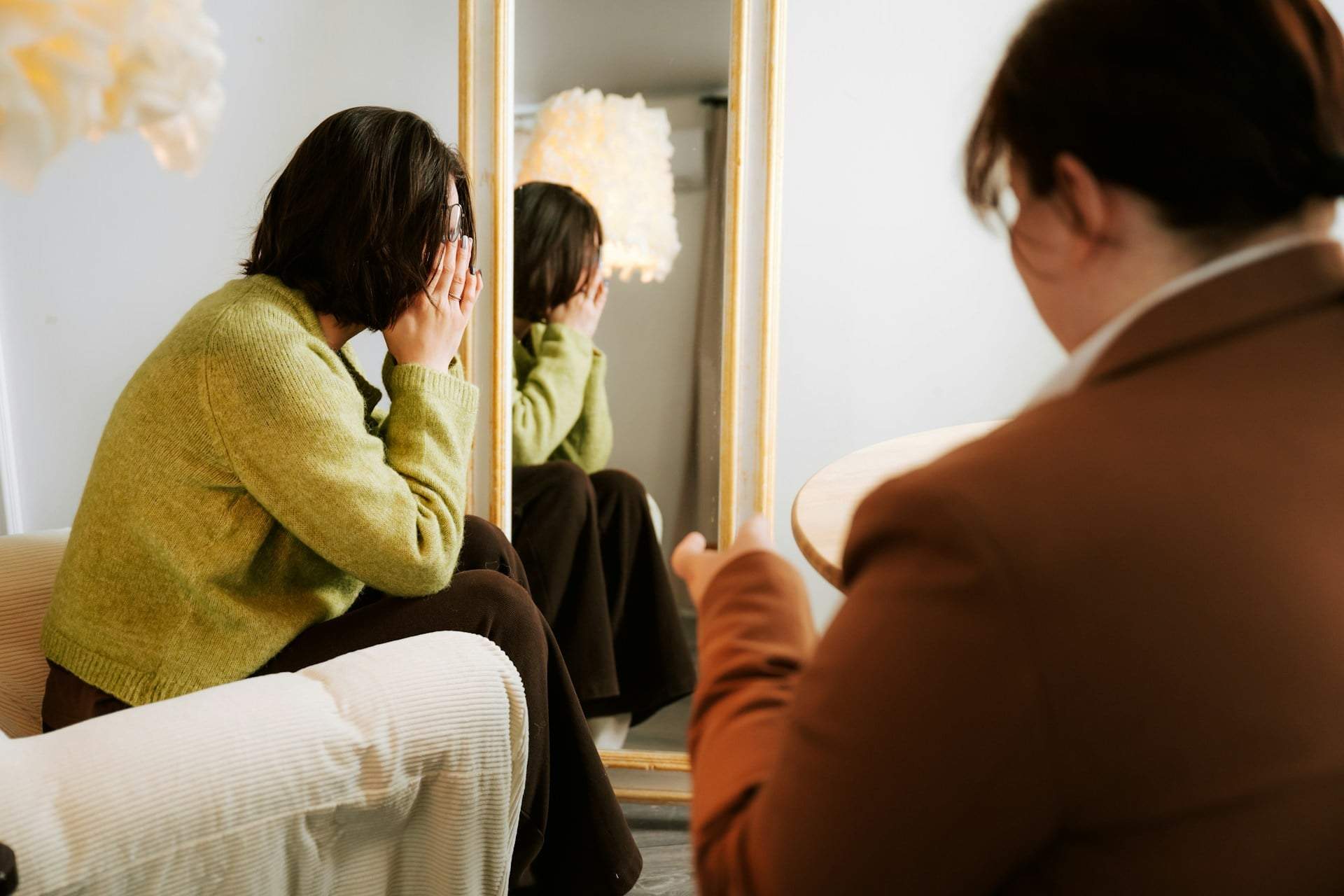
In such cases, I always see whichever doctor is available, and although I try to be open-minded, I have also learned that surprises can always happen. And these are not always pleasant. I have gathered the 5 wildest sentences I have heard from a gynecologist – and unfortunately, these are not exceptional cases but part of a systemic problem.
"Are you married?" – In the middle of a pregnancy examination
I was pregnant, the baby was healthy, everything was perfectly fine – but the doctor performing the ultrasound suddenly turned his head and asked, "Are you married?" I didn't know what to say. Actually, I was married, but that was not evident from my name. But why is this important during a medical examination? And why was it said with such emphasis, as if marriage were some kind of guarantee that my pregnancy is valid and accepted? And if my answer had been no, should I have felt bad about it?
A doctor should focus on our health and should not put us in a position where we experience judgment based on our answers, especially when we are already in an extremely vulnerable situation – naked, exposed – lying on an examination table.
"At your age, you should rather be having children" – Life coaching instead of contraception
On another occasion, I wanted to get a prescription for contraception. I explained what I had taken before, what worked, what didn’t – to which the doctor frowned and asked, "Are you sure you still want to take contraception? It’s probably time for the second child because your time is running out." I was 35 then. I didn’t go there to seek advice on the big decisions of my life – I simply wanted to live my sex life safely. If I am lenient, I would say: a doctor can share their professional opinion on until what age childbearing is safe – provided they ask first.
However, I personally decided that I do not want to expand our family, and I don’t believe I should have to explain or justify this decision to a stranger – even if they have "Dr." before their name.

"Come on, this can't hurt" – When I can't decide about the pain
Some gynecological examinations – e.g., a cervical smear or a vaginal ultrasound – can be uncomfortable or painful. On one occasion, due to an unpleasant movement, I involuntarily flinched and hissed, to which the doctor said condescendingly that it can’t hurt, but if I move, it will only get worse.
I gritted my teeth and somehow survived the examination, I didn’t mention that what he said was itself meaningless (so it doesn’t hurt now, but there are things that hurt even more?), and I didn’t note that between the two of us, I think only I have a cervix, so maybe my opinion is more relevant on the matter.
However, doctors’ task is not to judge our pain but to consider it and try to reduce it. Perhaps because of this, although the physical pain really disappeared by the time I left the clinic, the emotional injury stayed with me for a long time.
"This infection could be a sign of frequent partner changes, take better care of yourself!" – Victim blaming in 21st-century guise
A urinary tract infection can indeed occur when we have a new sexual partner, but it can also happen in millions of other cases. And even if a new partner was the cause of the illness, I don’t think it’s the doctor’s business, as it does not affect the treatment.
This remark was more about how much taboo and moralizing still surrounds female sexuality – even among those who should be supporting us to talk about our bodies and health naturally and without shame.
But what follows from all this?
The basis of a gynecological examination is trust. When a doctor abuses this for judgment or misuse, it not only causes a bad experience but can also harm a woman’s health in the long run. Because if a woman enters a clinic ashamed or fearful, it is very likely she won’t come back on time next time. And that cannot be an option.
It’s time for women to feel respected not only within the walls of private clinics but everywhere, and it should be clear that when it comes to our own bodies, we are the ones in the decisive position.