When most people think of composting, they picture large gardens with wooden or plastic bins shaded by trees. But recycling organic waste isn’t just for rural homes—more and more city dwellers want to make a positive impact. The great news? You can compost even without a garden, choosing from several methods depending on your space, time, and interest in managing the process. Let’s explore the most popular options!
Bokashi: The Japanese Kitchen Method
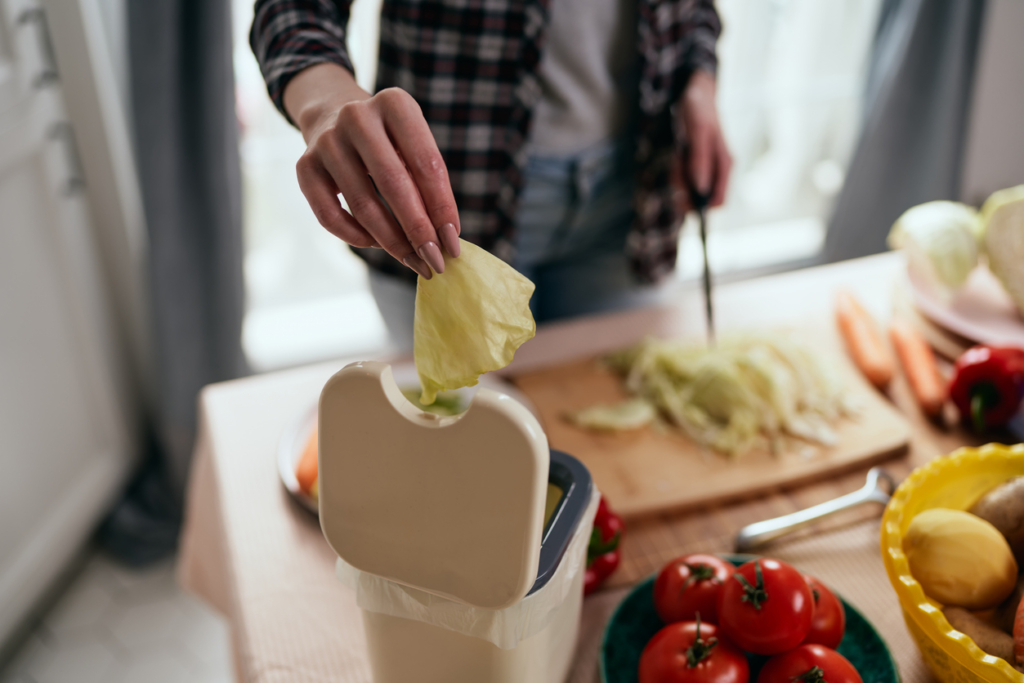
Bokashi is a fermentation technique where you collect organic scraps like vegetable peels, coffee grounds, or eggshells in an airtight bucket. Beneficial microbes break down the food waste without creating unpleasant odors.
The result is a tangy-smelling “pre-compost” that you can further mature in balcony planters or community compost sites. Bokashi is especially handy for small apartments because it’s space-saving, fast, and odor-free.
Worm Composting: Your Apartment’s Hardest Workers
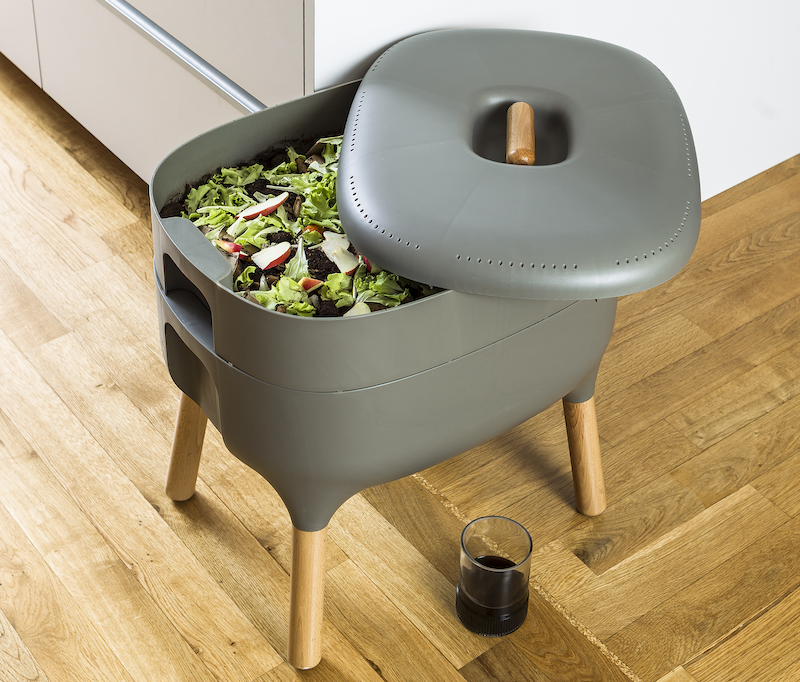
If you don’t mind a few tiny red worms moving in, vermicomposting could be perfect for you. Worms turn organic waste into rich humus that’s a superfood for your plants.
A worm composter is a small box with ventilation holes that fits nicely in a kitchen corner or on a balcony. With proper care, it stays odor-free and provides a steady supply of “black gold” for your houseplants.
Electric Indoor Composters
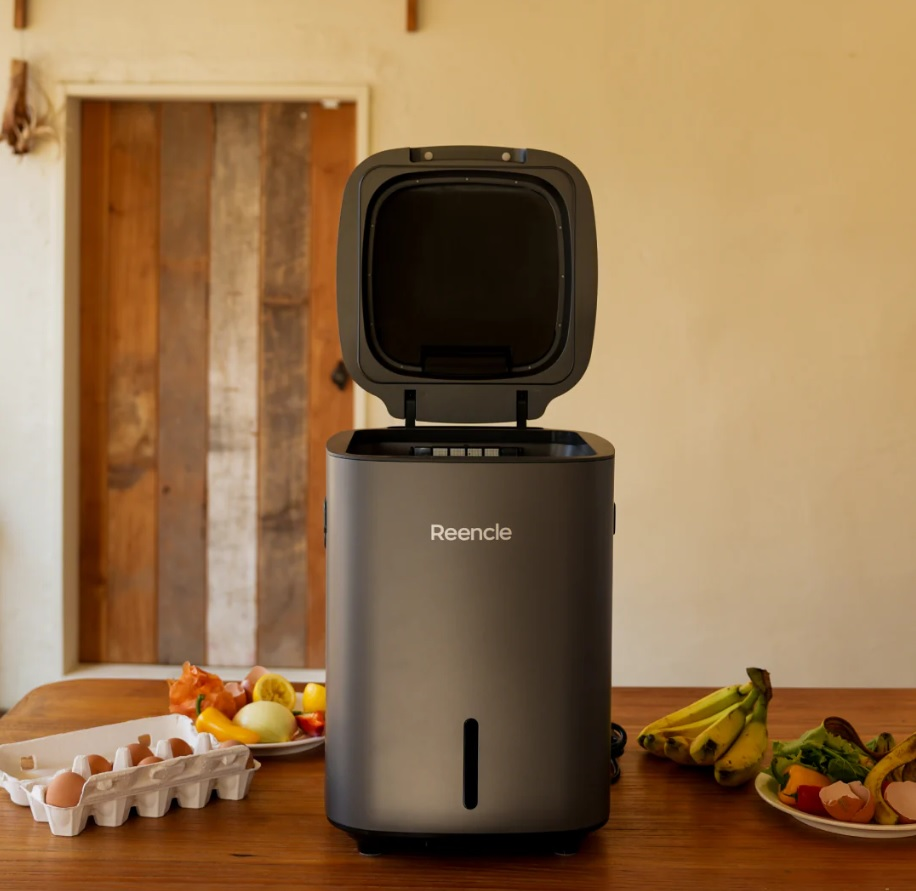
In recent years, innovative electric composters have hit the market. These devices speed up decomposition, turning waste into dry, odorless compost material in just a few days. Though pricier, they offer a convenient and hygienic option for those who want to avoid the fuss of traditional composting.
Balcony and Terrace Composting
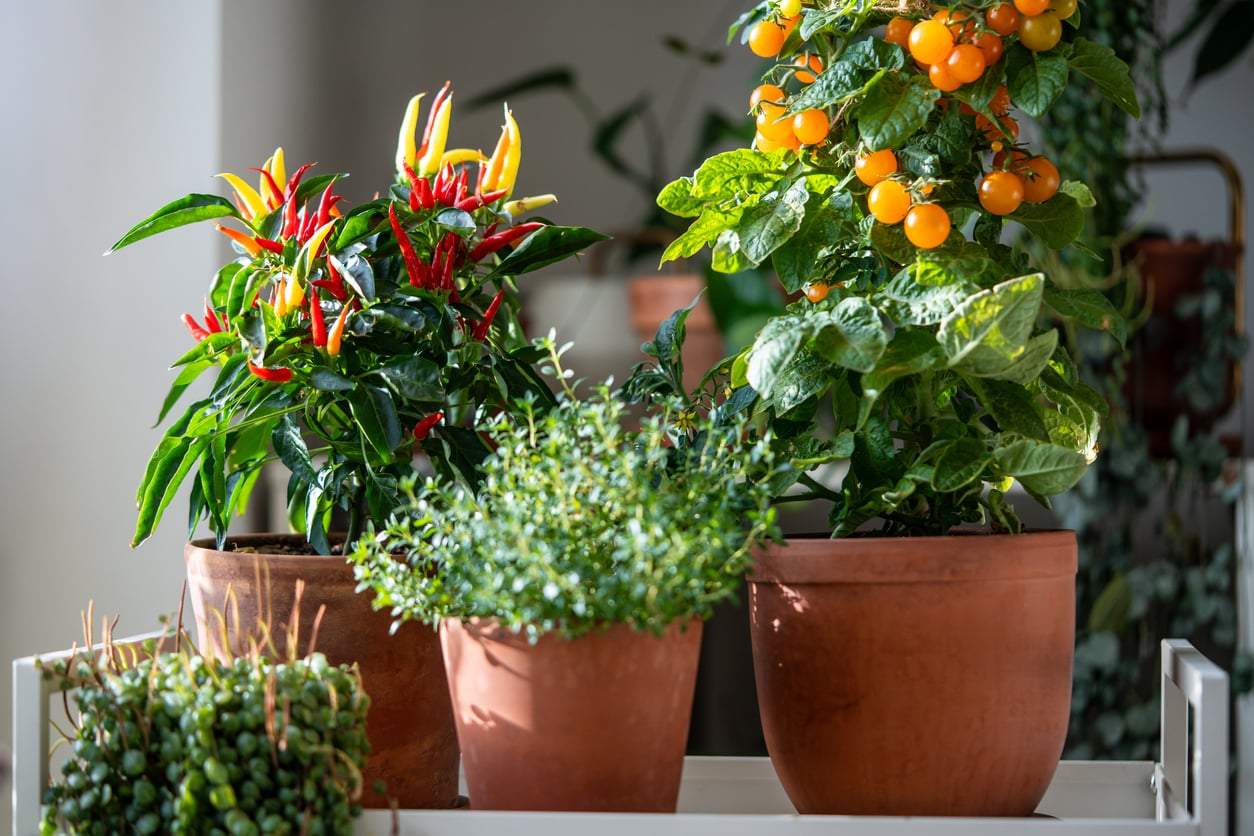
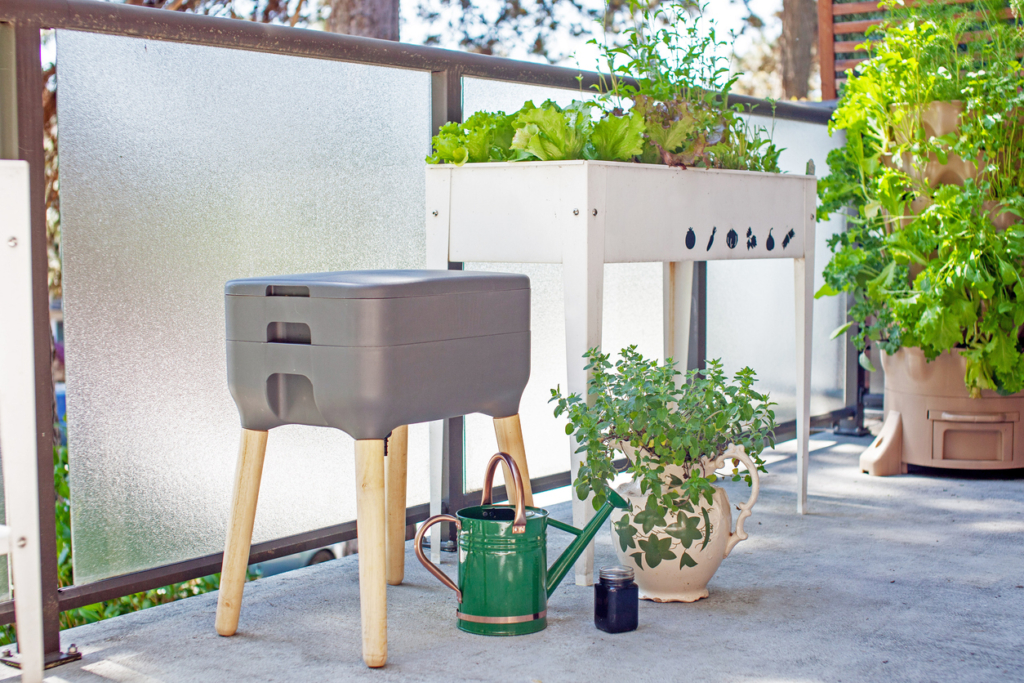
If you have a small balcony or terrace, simple compost bins or compost bags are a great way to process organic waste. These compact tools take up little space and fit perfectly into urban settings. Plus, you can use the finished compost right away in your balcony planters, creating a closed loop where kitchen scraps turn into nutrients for your plants.
Community Composting
More cities are launching community composting programs where neighbors collect bio-waste together and process it in a shared compost bin. It’s not only eco-friendly but also a wonderful way to connect with others and work toward sustainability as a team. If you don’t have space or interest in your own composter, check if there’s a local initiative near you.
What to Compost—and What to Avoid
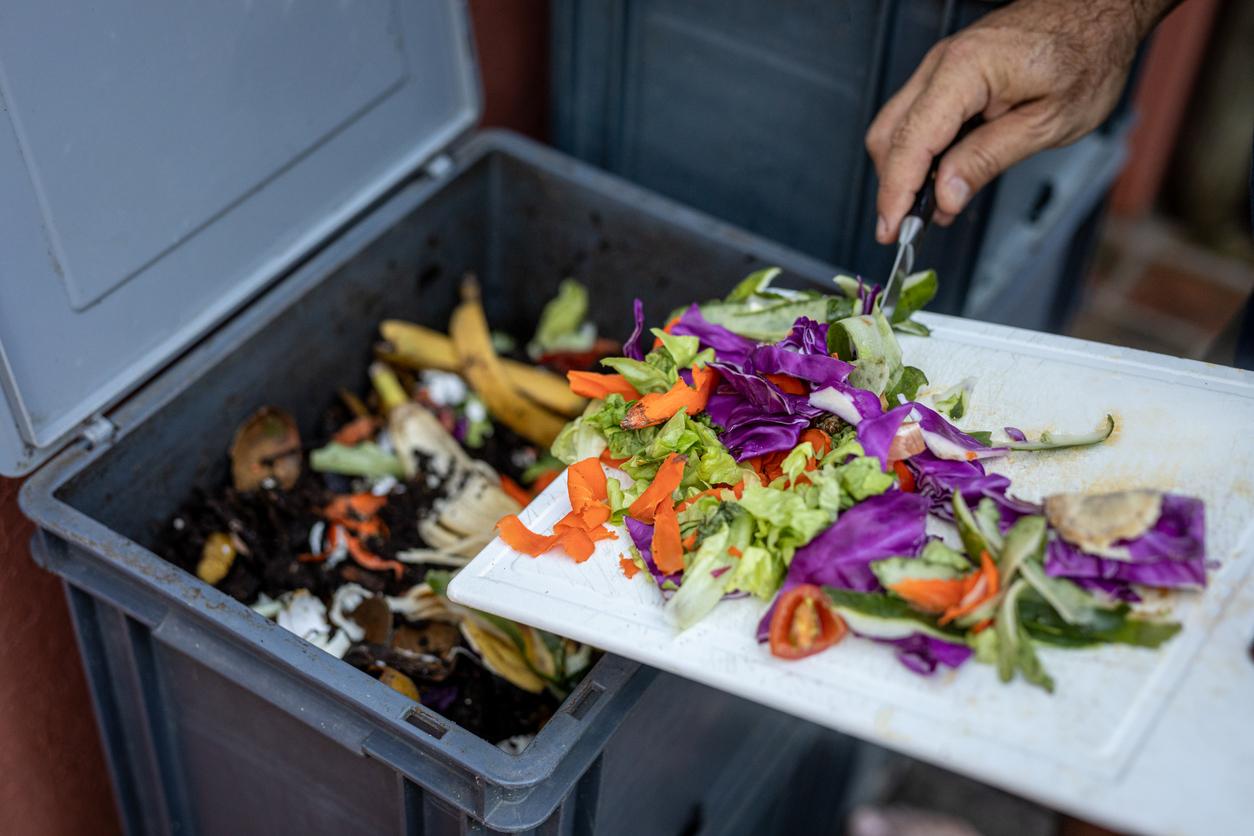
Whatever method you choose, it’s key to know what belongs in your compost. Feel free to add vegetable and fruit scraps, coffee grounds, tea bags, eggshells, and small amounts of paper towels. Avoid meat, dairy, oily foods, and large quantities of cooked leftovers, as these can cause odors and attract pests.
Composting isn’t just for those with gardens. Whether you pick bokashi buckets, worm composters, modern indoor machines, or community programs, there’s a method that fits your lifestyle. You’ll not only cut down household waste but also create valuable nutrients for your plants—while making a positive impact on the planet.