What should I eat the night before my first race?
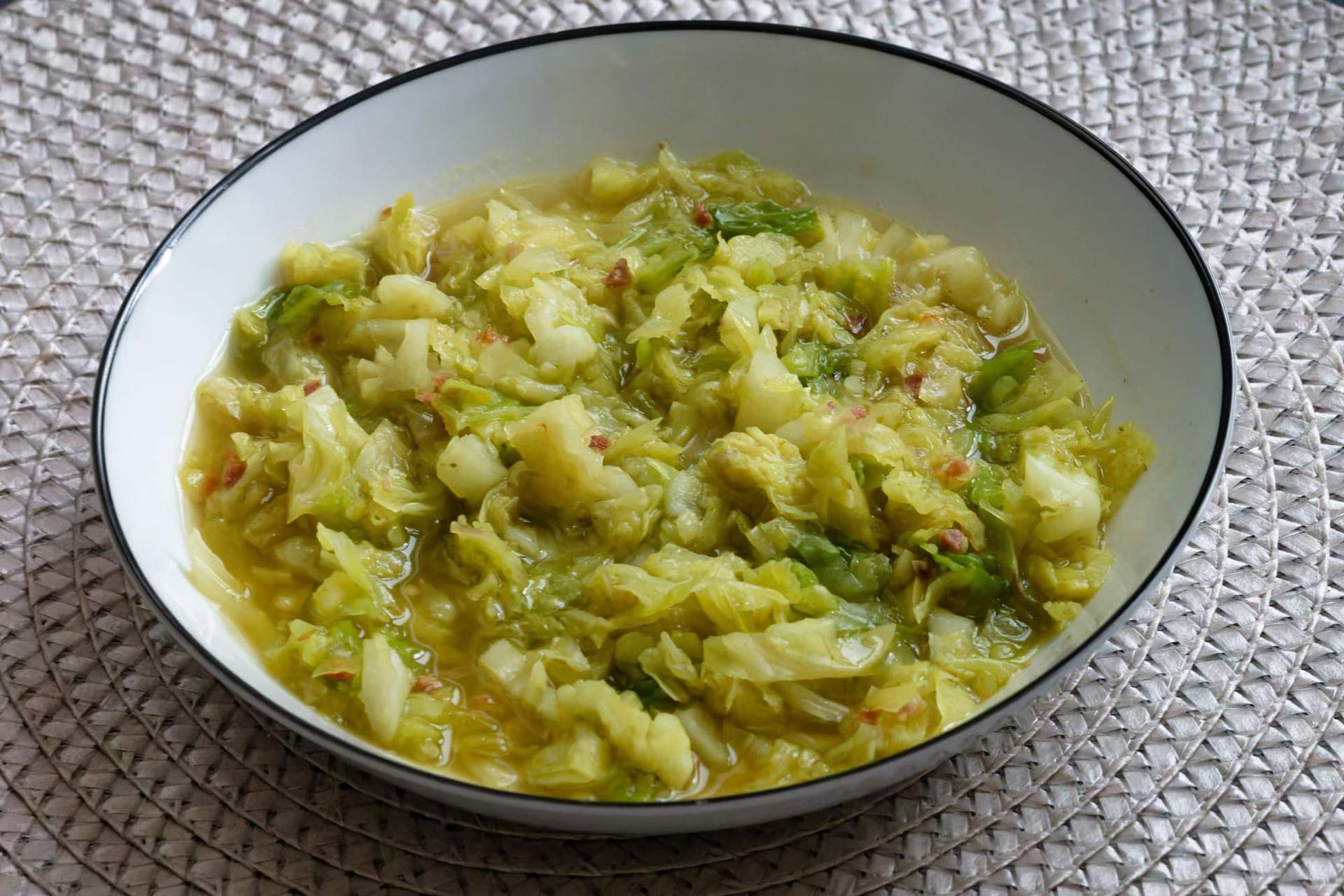
Something you have cooked before, mostly carbohydrate, low in fibre and fat, eaten a few hours before bed. Plain pasta with a simple tomato or olive oil sauce and a familiar protein is close to ideal, and it is far more useful than an elaborate "carb-loading" ritual you have read about but never tested.
Why does running upset my stomach when nothing else does?
Hard endurance effort diverts blood flow away from the digestive tract towards working muscles, and the physical jostling, adrenaline and heat all add to the effect — which is why a stomach that copes happily with anything on a Tuesday can rebel at kilometre eight. Going out faster than you have trained makes it dramatically worse, so an honest first mile is a digestive strategy as much as a pacing one. If you regularly have gut symptoms outside of exercise, or the problem persists no matter how carefully you eat, that is worth raising with a doctor or a registered dietitian rather than solving alone.
And then, the finish line
Afterwards, start with fluid and something easy — a drink with some carbohydrate and salt, then real food within an hour or so once the adrenaline drops. Most people find their appetite disappears and then returns with enormous force around two hours later, which is the moment to eat properly rather than standing in a car park eating three flapjacks. Do it once, note what worked, and the second race is always easier.