As a kid, I loved being outdoors. Hiking, walking, playing at the park—these things made me happy. Like many children, I was full of energy. Yet when it came to formal exercise, something changed. The same movement that once brought joy suddenly felt like a strict, demanding obligation.
The trouble began with some early negative experiences with sports. For example, a swimming accident left a deep mark and kept me away from the pool for a long time. At that moment, I felt like I might never want to be near water again.
School gym class took the joy away
Later, gym classes at school didn’t help me enjoy sports either. In fact, they pushed me further away. I felt I wasn’t skilled, fast, or “good” enough to really have fun during those lessons. If I struggled with a skill game or had trouble learning dance steps, hurtful comments often followed—not just to me, but to other kids too.
I don’t remember receiving much genuine encouragement. It seemed like only meeting expectations mattered—who was faster, stronger, or “better.” In that kind of environment, anyone a bit clumsier, more reserved, or slower to learn probably didn’t have many positive experiences. That was true for me, and over time, movement became tied to shame and feelings of failure.
I drifted away from sports for many years
These tough experiences kept me away from sports for years. During university, physical activity almost disappeared from my life. I spent a lot of time sitting—studying, using the computer, then working—and didn’t even realize how much I missed regular movement, even though I still enjoyed walking and hiking.
The turning point came when things got tough: my back and lower back started hurting, and I felt physically weaker in daily life.
That was when I began to rethink how I could move more. It wasn’t sudden or dramatic, but my attitude slowly started to change.
I relearned how to enjoy movement
My first step was taking longer walks again, even when I wasn’t hiking. The pace didn’t matter—just getting outside. Like in childhood, walking brought calm and energy. Then I started biking more, just like before, and later added stationary cycling at home, which worked well: I could move a lot at my own pace, right in my living room.
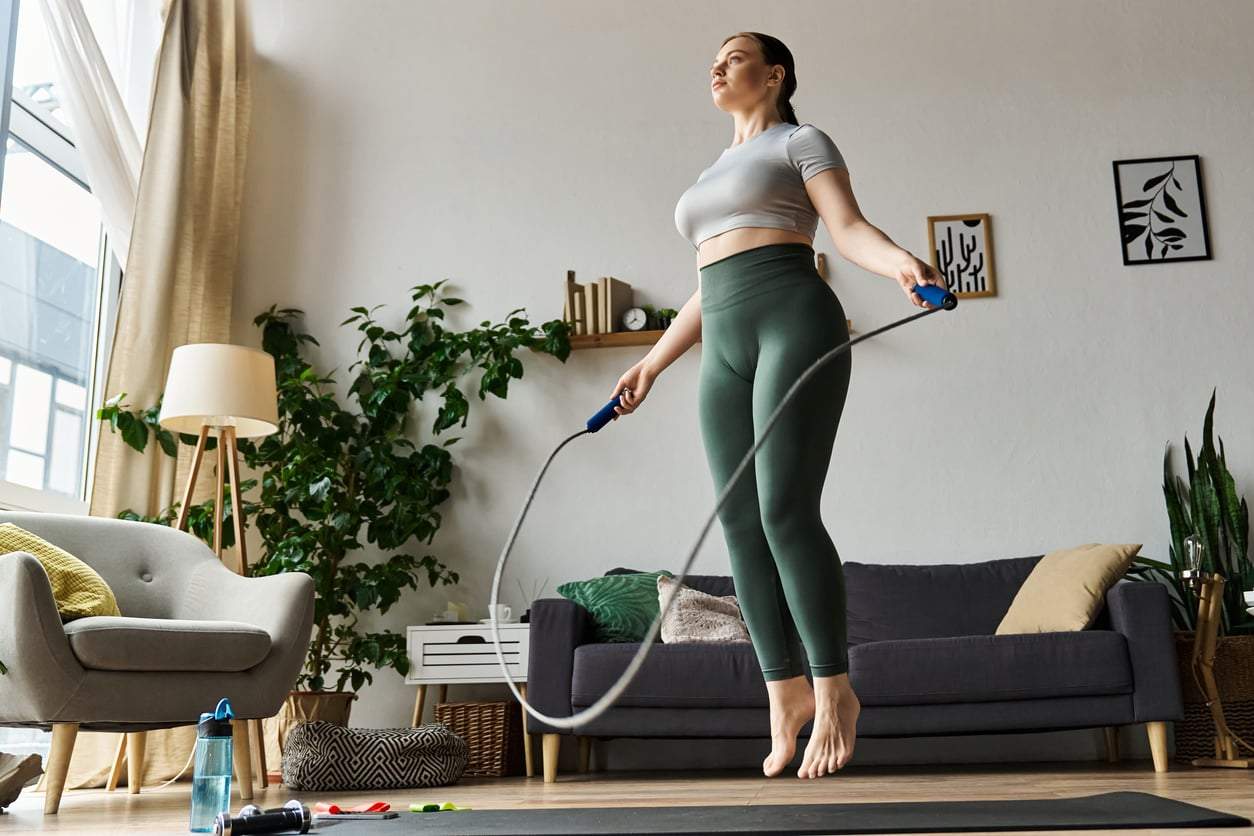
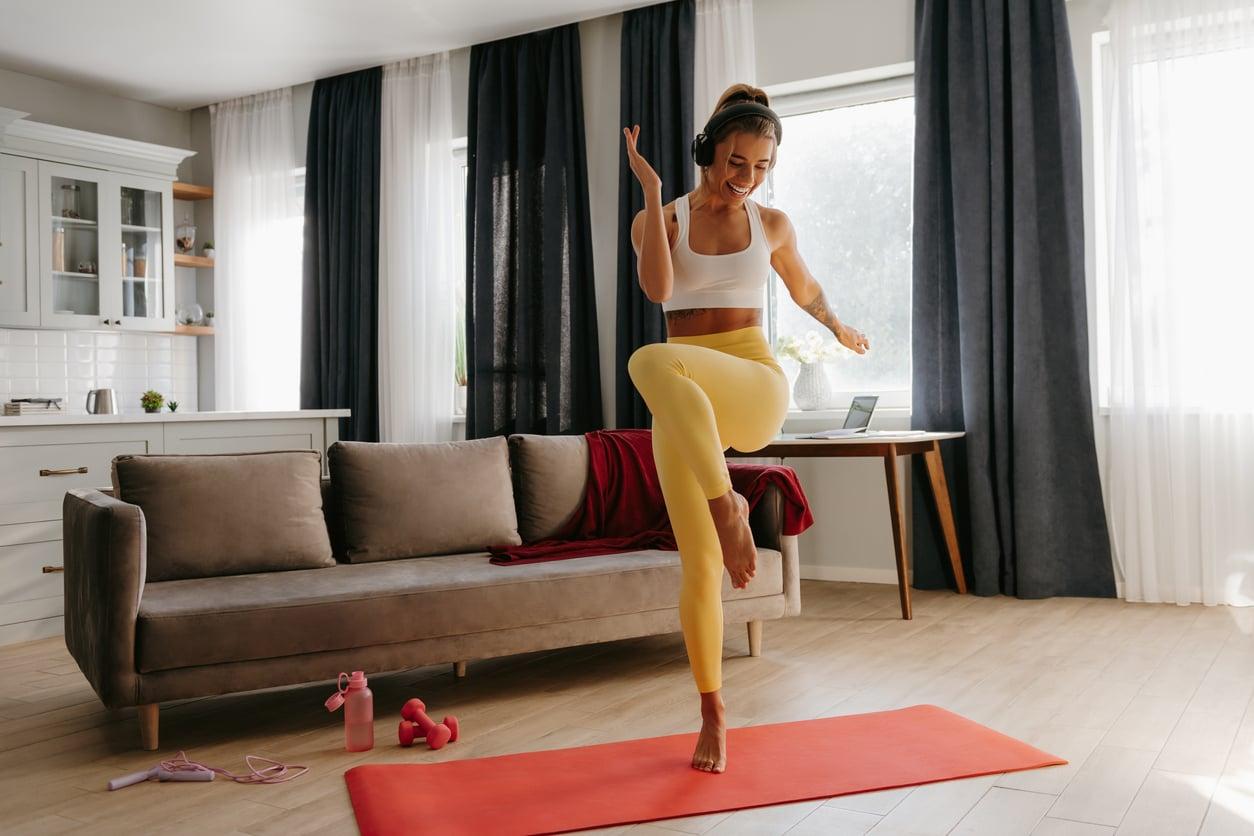
I won’t say I exercise every day now, but I’m working on getting closer to that. Finding activities that bring me joy without stress has helped a lot. I sometimes do home workouts and pay more attention to my body’s signals. The biggest lesson? Movement sticks when it’s not a chore.
Patience, progress, and self-awareness
How we relate to exercise often reflects our experiences more than our bodies.
Many people grew up feeling the same way about gym class, competition, or strict expectations—and as adults, they approach movement with negative feelings.
But exercise doesn’t have to hurt—physically or emotionally. It can be a source of joy, stress relief, and relaxation. That requires patience, gradual progress, and self-awareness. We need to allow ourselves to find the right activity at our own pace, based on what feels good for us.
It’s not just about the gym
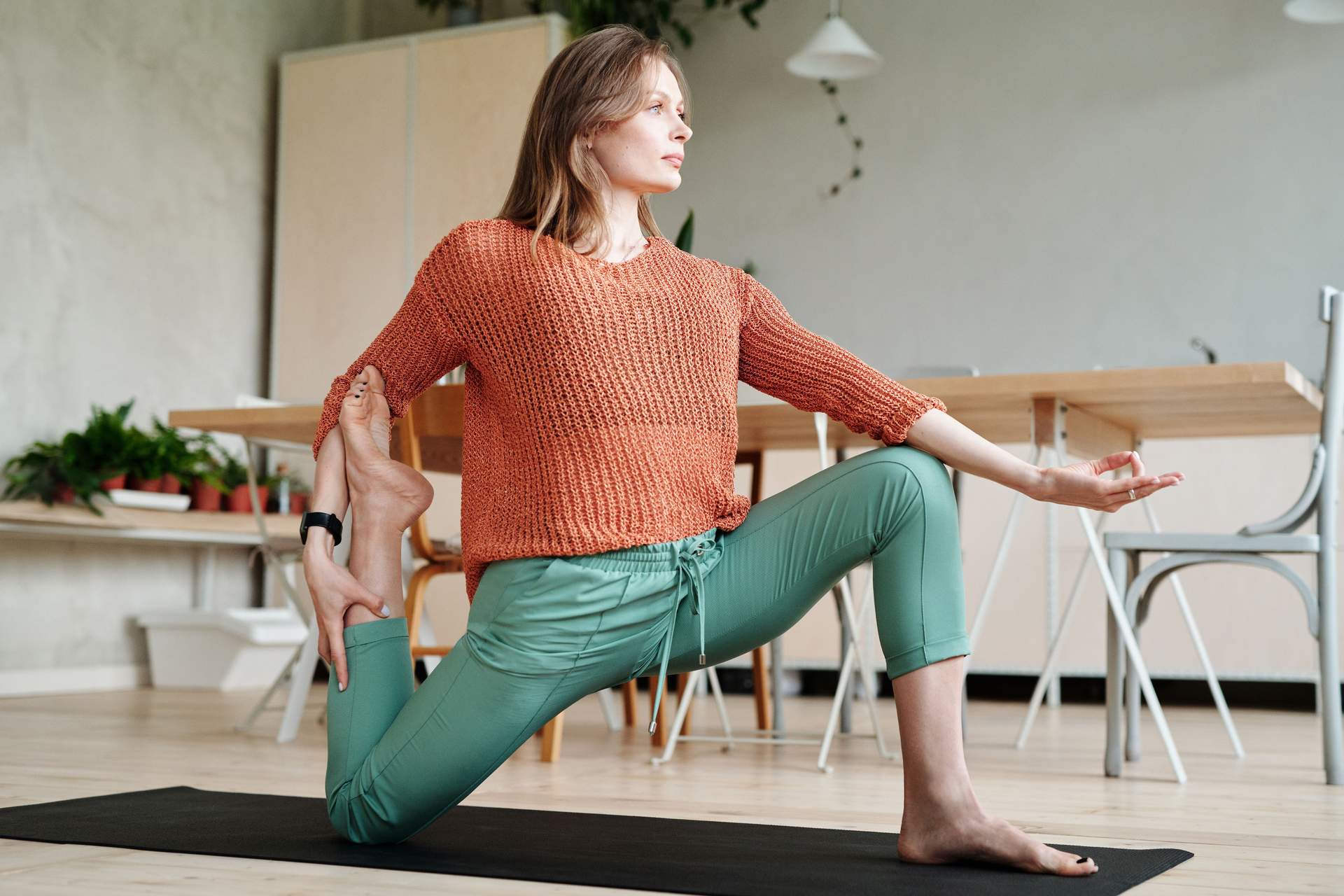
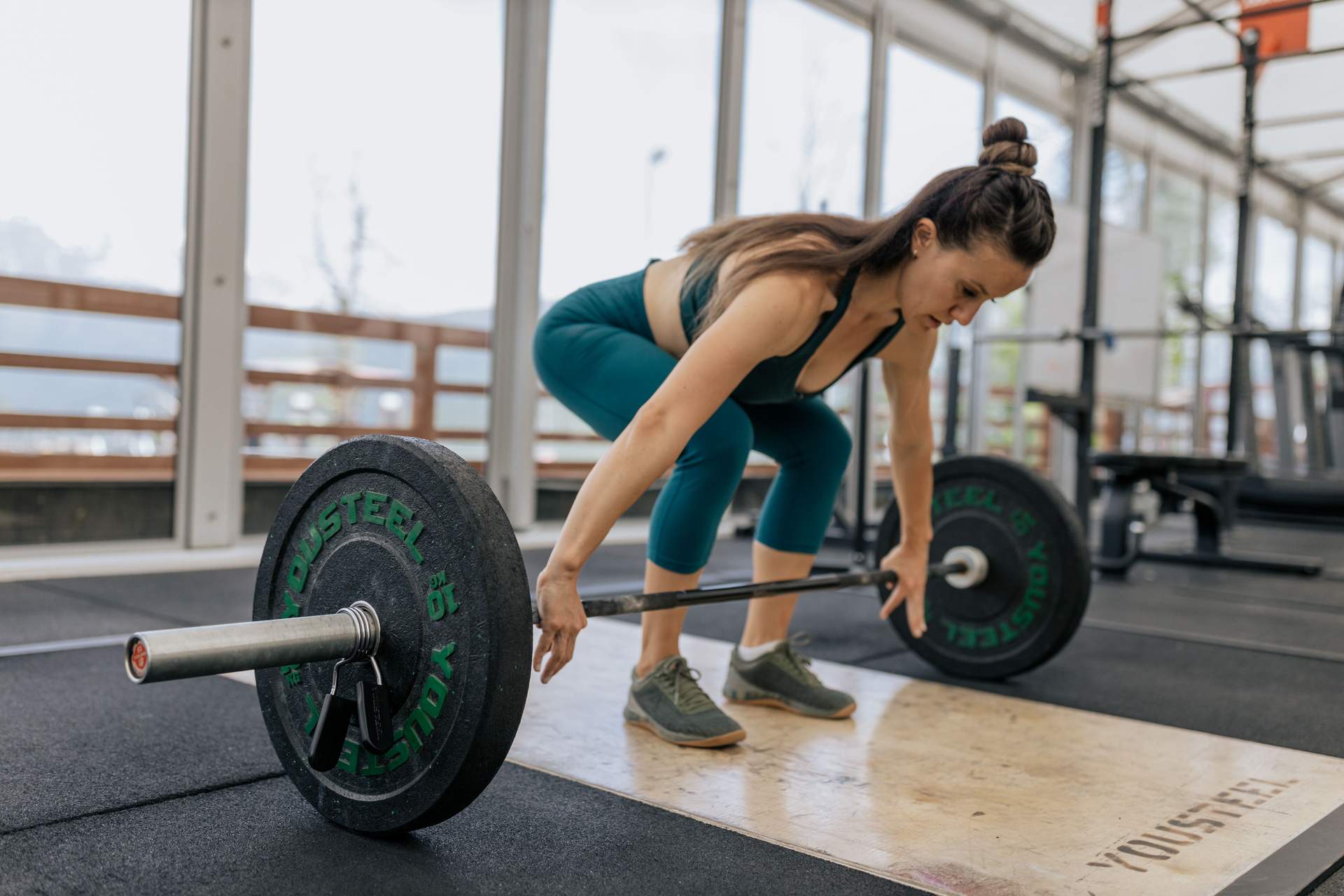
Many think only intense, flashy, and tough workouts count as “exercise.” But even a brisk walk, some gardening, a bit of yoga, or home workouts can make a big difference. The key is moving regularly—not out of fear or guilt, but out of love and care for ourselves.
Encouragement for everyone
If you still feel like exercise is just another demand you can’t or don’t want to meet, I totally get it. But I also know there’s a way out of that feeling.
Negative experiences don’t have to define our relationship with movement forever. Everyone deserves to find the activity that brings joy and supports a healthier, more balanced life.
The most important thing I’ve learned: it’s okay to be different from the “average athlete.” It’s okay if I don’t run marathons or compete. What matters is that I move—in a way that feels right for me—and every step counts.