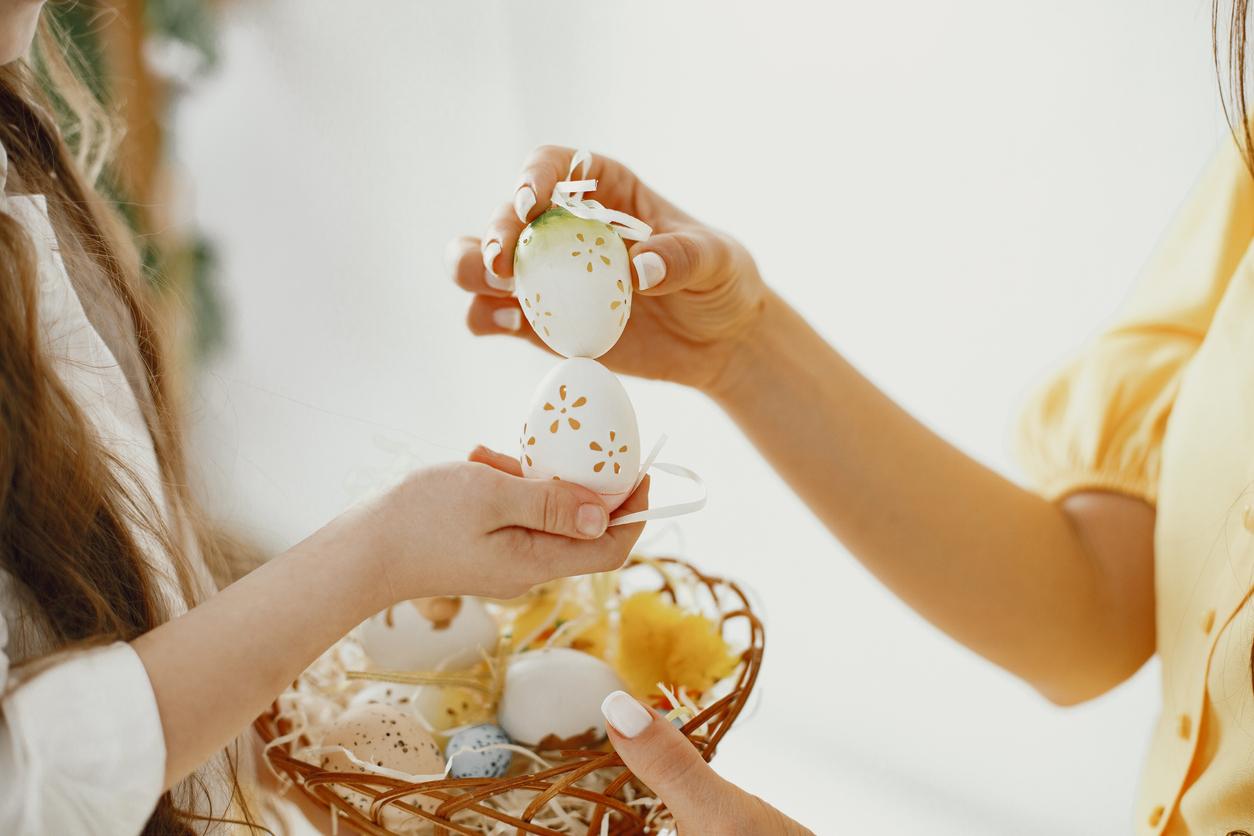
Looking back on my childhood, Easter was a unique ritual: the sacred blessing of food blended with the joyful freedom of rolling eggs around.
I remember as a little girl when my godmother brought the church-blessed treats to my grandmother’s house—the scent and that morning felt more festive than anything else. Back then, sprinkling wasn’t a burden, but the true measure of popularity: in elementary school, we were the “cool girls” if the most boys showed up at our doorstep on Monday.
Later, in early teens, we only awaited those we liked with butterflies in our stomachs, secretly hoping for a little stolen, awkward chat after the sprinkling poem. Back then, tradition was still a living thread that connected us to our community, even if sometimes older male relatives appeared, blurring the line between honoring customs and the hope for a “pocket money” top-up.
Bravely Rethinking Traditions
I vaguely recall a high school literature class where we had to write an essay on whether it’s wise to cling tooth and nail to traditions or if sometimes it’s better to rethink them.
I remember a classmate who argued for change like a revolutionary, while I chose the comfort of stability back then. Nearly 20 years later, my perspective has completely shifted.
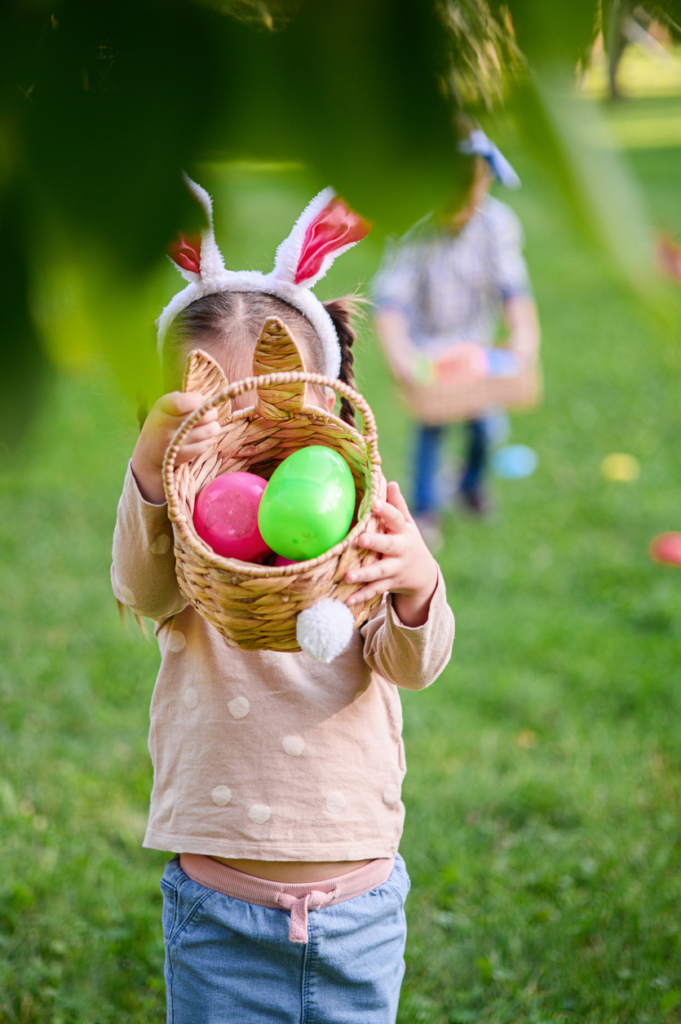
I realized that with distancing from religion and generational shifts, Easter lost some of its dignity. Often, it boiled down to hiding from drunken sprinklers, drawn curtains, and the endless obligation to entertain.
There was a time when I felt so uncomfortable with it all that my family let go of the customs and chose travel over “house arrest”.
A New Generation’s Approach
When my daughter was born, I briefly reopened the door to sprinklers, wanting to see that same childlike sparkle on her face I had as a little girl.
But it quickly became clear she’s from a different world, where patience and uncertain waiting aren’t strengths. She soon realized she didn’t want to sit all day in the living room on standby, just hoping a few boys from preschool might drop by—and that we’d have to host them.
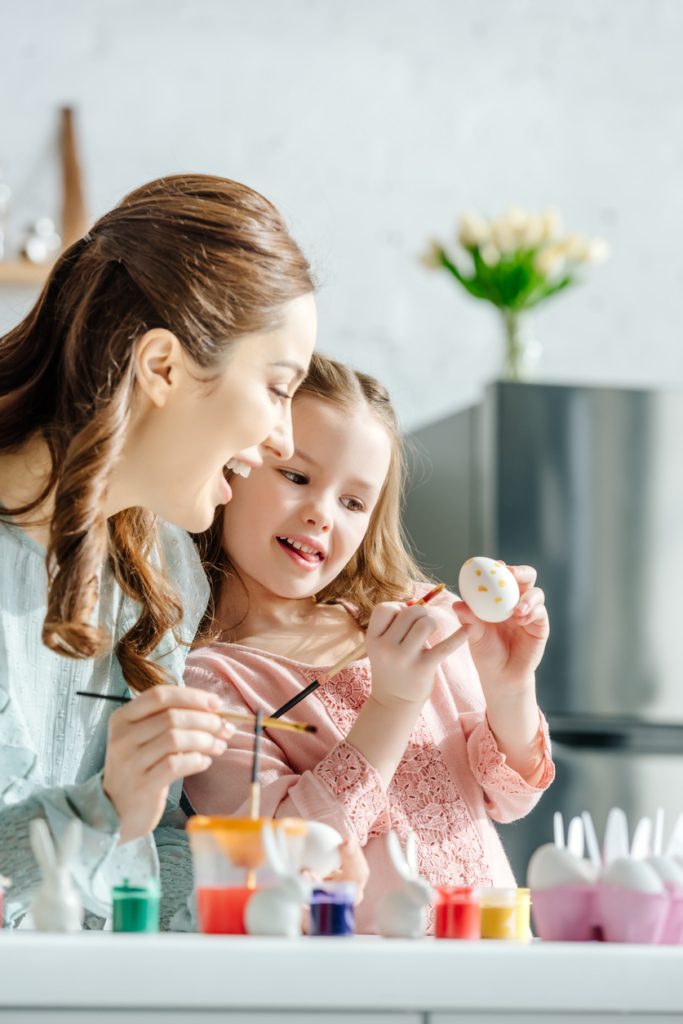
She turned her back on the classic custom much sooner, and today we both agree: the most valuable part of spring break is seeing the world and discovering holiday traditions from new angles.
Thinking back to the girl who wrote that high school essay… she’d probably look at me with disbelief or at least doubt. But today, I feel this renewal isn’t a betrayal of traditions, but a brave tailoring of them—the shared experience and family unity remain the foundation, only the setting has changed.
I had to realize that tradition isn’t a museum piece to be admired from afar. Once we let go of the obligatory routines, forced and unpredictable hosting, we gained something far more genuine.
The cologne may have faded, but the freedom to celebrate in a way that feels right for us has become a much more lasting kind of magic.
Just as I once found March 15th celebrations a drag but proudly wore the cockade this year, I’ve come to understand: values don’t disappear, they transform. When I stand with my daughter on Easter Monday in a stranger’s town square or on a forest trail, I’ll probably admit my “revolutionary” classmate was right. Tradition lives on when we have the courage to touch it, dust it off, and shape it for our own happiness.