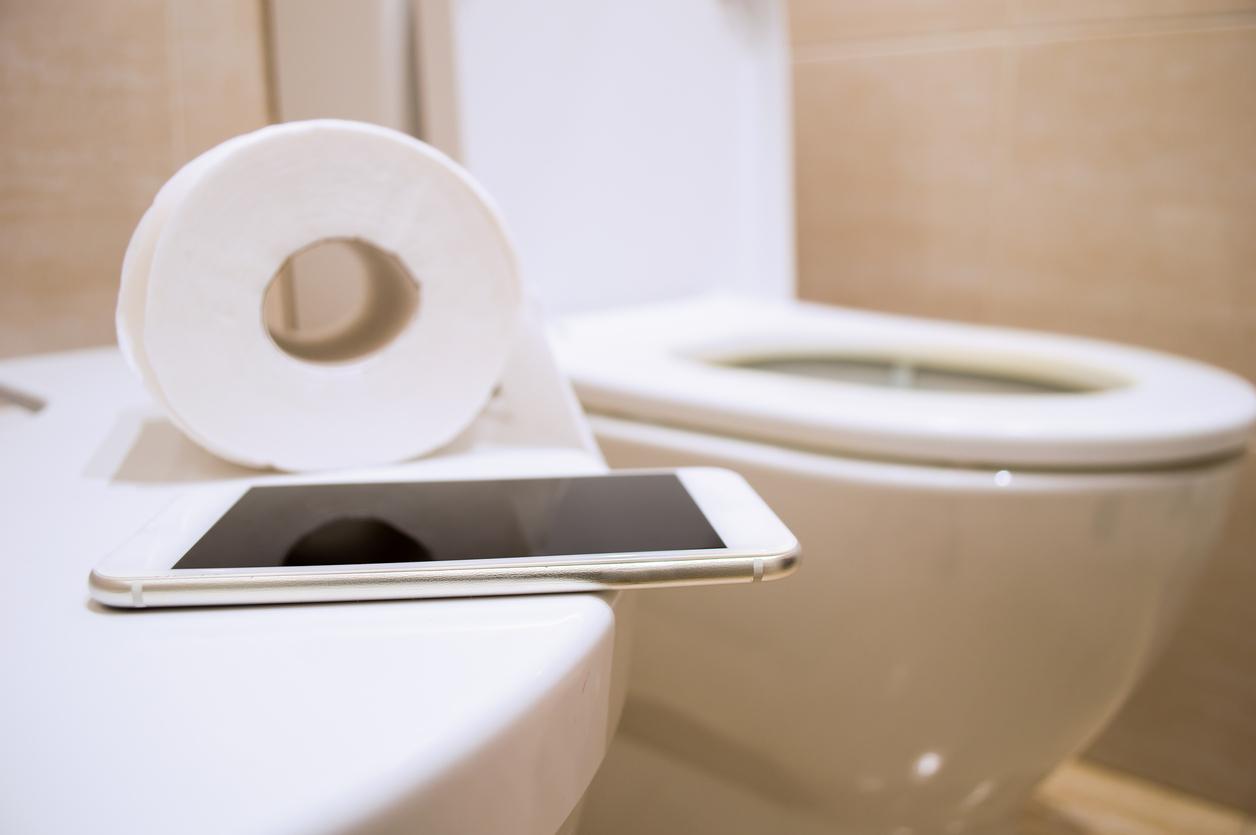
In my family, I’m not the one who spends record time in the bathroom—but I do have a bad habit. When my daughter was little, the bathroom was often the only place I could steal a few quiet minutes. That’s probably when I started slipping my phone into my pocket… At first, it was just a quick message or two, then a little scrolling through the news, and suddenly the minutes flew by. Sound familiar? I know I’m not alone, since studies show more and more people are glued to their phones even in the restroom. But this seemingly harmless habit can actually lead to serious health issues!
The Most Common Result: Hemorrhoids
Research shows that people who regularly use their phones on the toilet have a much higher chance of developing hemorrhoids. The reason is simple: sitting for a long time puts extra pressure on the veins around the rectum, which eventually causes inflammation, swelling, and uncomfortable symptoms. A healthy bowel movement usually takes 2-3 minutes—sitting for 10-15 minutes (or longer) is simply too long.
Hemorrhoids don’t just cause annoying itching, irritation, and bleeding—they can also lead to serious complications like painful thrombosis. A recent study found that phone use on the toilet increases hemorrhoid risk by nearly 50%—all because we sit too long. So it’s just not worth the risk, especially if you’re already prone to them!
Tiny Injuries, Painful Tears, and Rectal Prolapse
Long periods of sitting can cause small but painful tears around the anus. The thin mucous membrane can crack easily due to poor circulation, making every bowel movement painful. Bleeding and burning can last for weeks, and without changing habits, these tears may keep coming back.
It might sound scary, but too much sitting can even lead to rectal prolapse. This means part of the rectum slips out of the body simply because the pelvic floor muscles can’t hold it anymore. This is less common than hemorrhoids but happens more often in women, especially after childbirth when pelvic muscles are weaker. Often, surgery is the only lasting fix.
Numbness and Overexertion
It’s not just your internal organs that suffer from long bathroom sessions: sitting puts your body weight on your buttocks and the back of your thighs, which restricts blood flow. That’s why our legs often go numb in the restroom! Usually, this passes quickly and isn’t the worst symptom, but in older people, poor circulation can even cause pressure sores.
When you strain for a long time, you increase pressure inside your abdomen, which can contribute to issues like hernias. Hernias often cause heartburn and chest pain and sometimes require surgery. Plus, prolonged straining can slow your heart rate and cause sudden drops in blood pressure, leading to dizziness or fainting.
What Can You Do About It?
Our modern lives already involve too much sitting, little movement, and sluggish circulation. Adding a 20-30 minute (or longer) “phone break” in the bathroom only makes things worse. And that’s not even touching on hygiene! Our phones are among the dirtiest things we own, loaded with bacteria. Bringing them into the bathroom means even more germs stick to them—and then they come with you to your desk, your bed, and your face when you answer calls.
Experts say the key is time: a normal bowel movement takes just a few minutes. If you find yourself sitting for longer, ask yourself why you’re seeking “peace” in the bathroom. For healthier digestion, focus on a fiber-rich diet, plenty of fluids, and regular exercise. A simple fix is using a footstool at the toilet to mimic a squatting position—this natural posture helps you go faster and healthier.