Letting go of hope wasn’t easy. For years, I believed things would change—that we could connect honestly, deeply, and with love. I thought as adults we might start fresh and fix what childhood never allowed us to build. But now I’ve accepted: my relationship with my mom will stay as it is—and I had to learn to live with that.
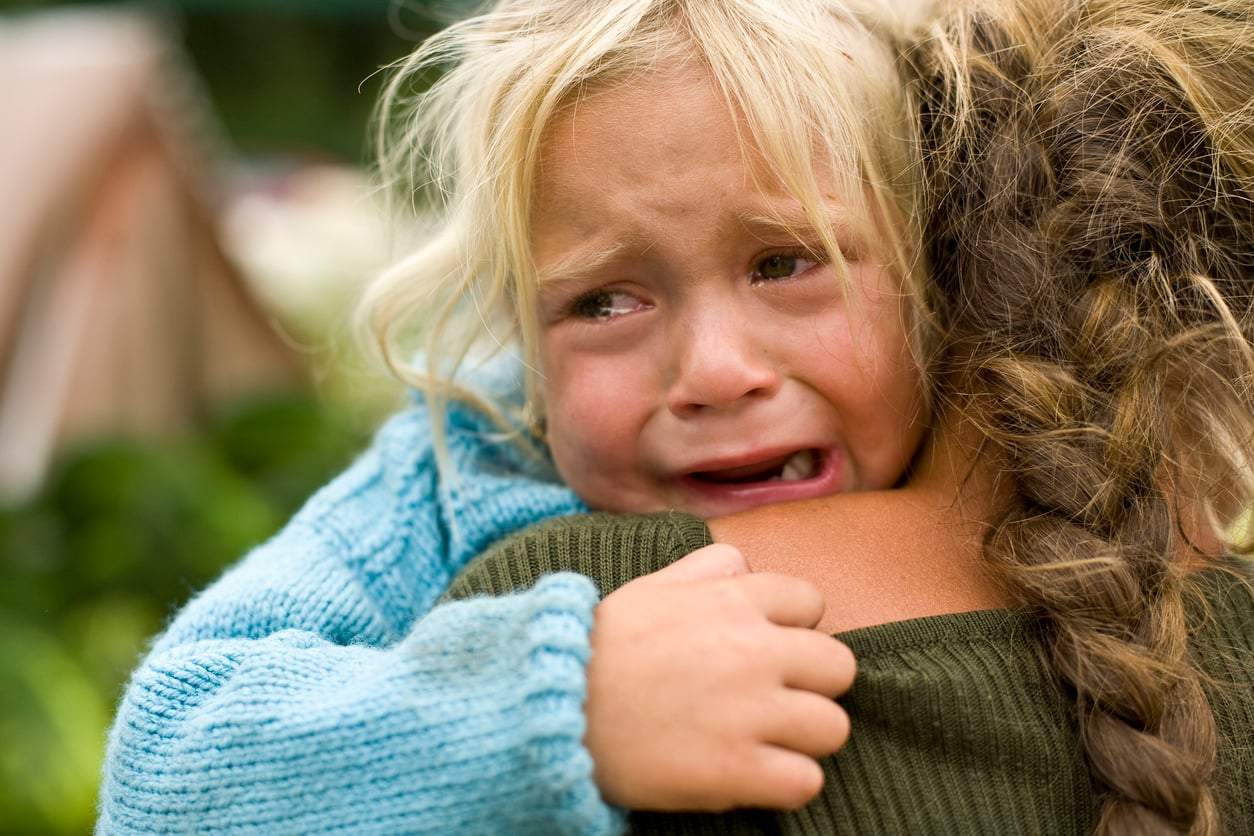
I grew up in an abusive family. My parents have changed a lot since then, somewhat "normalizing" their lives, and I never fully cut ties with them. Still, I moved out at the first chance and have kept a safe distance ever since. From that safe space, I watched my family with hope—and often longing. I was afraid to let them in closer again, but inside me was still the little girl who just wanted to be held by her mom.
Over the years, a polite, surface-level relationship formed between my parents and me. We talk and meet, but the kind of closeness born from a child’s unconditional trust in their early years never developed. And now I know, it never will.
That hurt deeply for a long time. Especially with my mom—I wanted a closer, more intimate connection. I always felt closer to her and saw more potential for change and understanding. I envied friends who go to concerts or theaters with their moms, or try new restaurants together. Those who know what it’s like to see their mother not just as a parent, but as a friend.
My relationship with my mom was never like that. Not even as adults. Whenever I tried to get closer, there were hurtful remarks. Toxic, belittling, guilt-inducing words that hit me like a slap, making me feel like a child again.
Long therapy helped me understand: these words weren’t about me. They were her pain, guilt, and insecurities. But they still hurt. And they still weren’t okay.
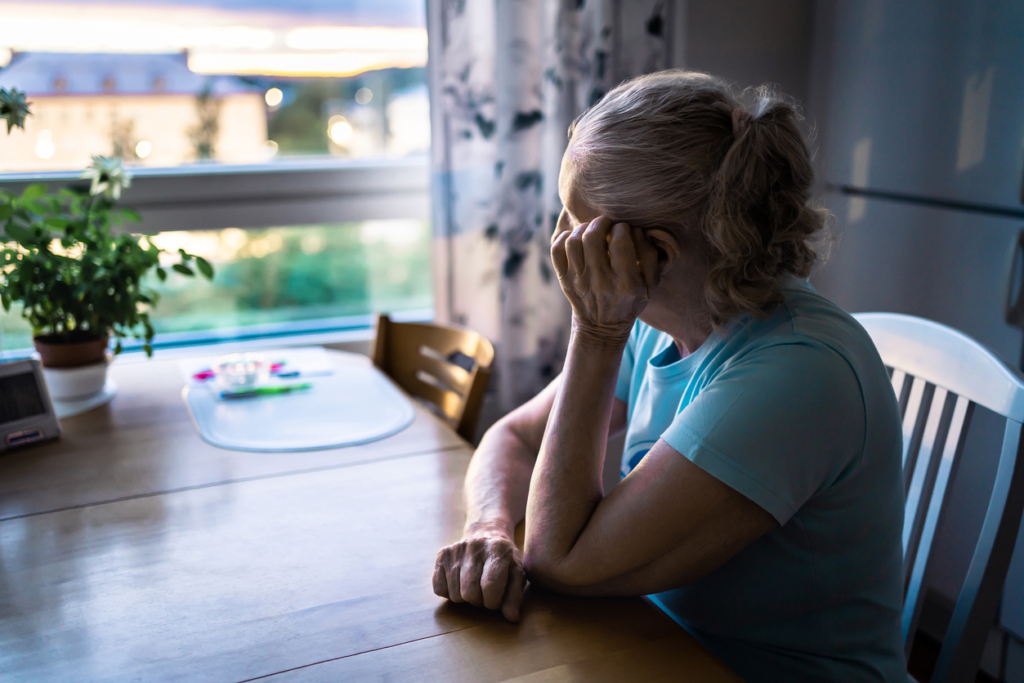
The next disappointment came when I tried to talk to her about it. Openly, honestly, without blame. But she immediately went on the defensive, then became hostile. She didn’t hear me. Didn’t want to hear me. It took months of therapy to realize: no matter how much I work on myself or want to improve our relationship, she’s not willing to put in the effort. The hardest truth was that when I wanted to talk, I wasn’t accusing or digging up the past—I wanted to save our relationship because it mattered to me. But she wasn’t ready.
Now I’ve accepted I can’t fix what she broke on my own. And she probably never will start that work. I’m not angry anymore. But I’m not hoping either.
Our relationship isn’t bad—but it’s not good either. It exists, works, and holds a kind of peaceful distance. But I know it won’t get deeper or more intimate. It won’t be what I longed for. And I had to grieve that.
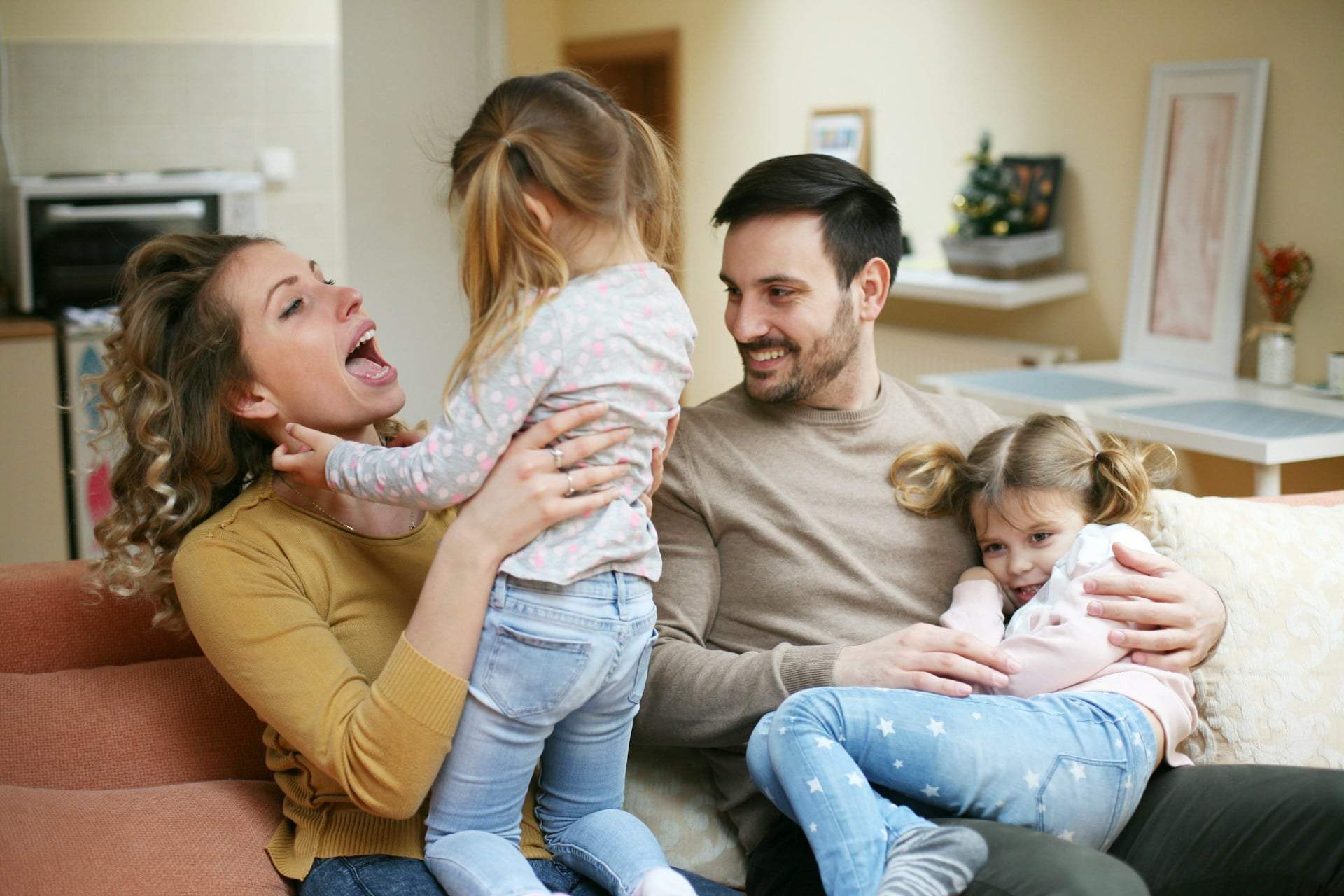
I can’t control how my mom shows up as a mother. But it’s up to me what kind of relationship I build with my own child.
Now, while my child is little, I do my best every day to keep our trust unbroken. I want them to feel safe telling me when I’ve made mistakes—because I will. And when that day comes, I want to be ready to see it as a chance to take our bond to a new level. A level where two adult women look each other in the eye and keep building together. A level where we write our story differently than the mothers and daughters before us.