That’s why I don’t just know the aroma of most foods and spices, but also how they influence my well-being. Take coriander, for example: I wouldn’t say I dislike it, but it’s far from my favorite spice. Still, its benefits are so impressive that it always has a spot in my herb garden each year. I also make sure to fill my plate with colorful, nutrient-dense foods—there’s a reason vibrant colors usually signal high and specific antioxidant content.
I love cooking meals that are healthy and delicious, ones that delight not just my body but also my eyes and soul. Of course, I’m far from perfect: I do enjoy pizza, burgers, and desserts too. Even then, I aim for more wholesome versions, but in the long run, balance is what truly matters.
Why What and How Often You Eat Really Matters
A recent study published in the International Journal of Environmental Research and Public Health explored how the foods we regularly eat affect our healthy lifespan. The researchers focused on the most common meals in Brazil, but the findings are relevant everywhere, including here.
The experts assigned specific numbers to each food studied, revealing how many minutes each dish "adds" or "takes away" from our lives.
Here are some surprising numbers:
- Filled pastry: –39 minutes
- Pork: –36 minutes
- Margarine: –24 minutes
- Beef: –22 minutes
- Cookie: –19 minutes
So, if you eat these and similar foods daily, you’re cutting into your healthy years—not just by minutes.
What should you put on your plate more often?
- Acai berry granola: +41 minutes
- Freshwater fish: +17 minutes
- Banana: +8 minutes
- Beans: +6 minutes
- Rice and beans together: +2 minutes
These numbers don’t refer to a single bite but to regular consumption, showing how much daily ingredient choices really count.
The Study Also Looked at the Environmental Impact of Foods
The data showed that a single serving of beef emits over 21 kg of CO₂, and making a mozzarella pizza requires 306 liters of water. In contrast, growing beans, vegetables, and fruits proved much more sustainable. Since these often come from local, small-scale producers, they’re even less harmful to the environment.
The study also highlighted that a monotonous diet with few ingredients—even if it seems healthy—isn’t ideal long-term. Variety and nutrient density truly matter.
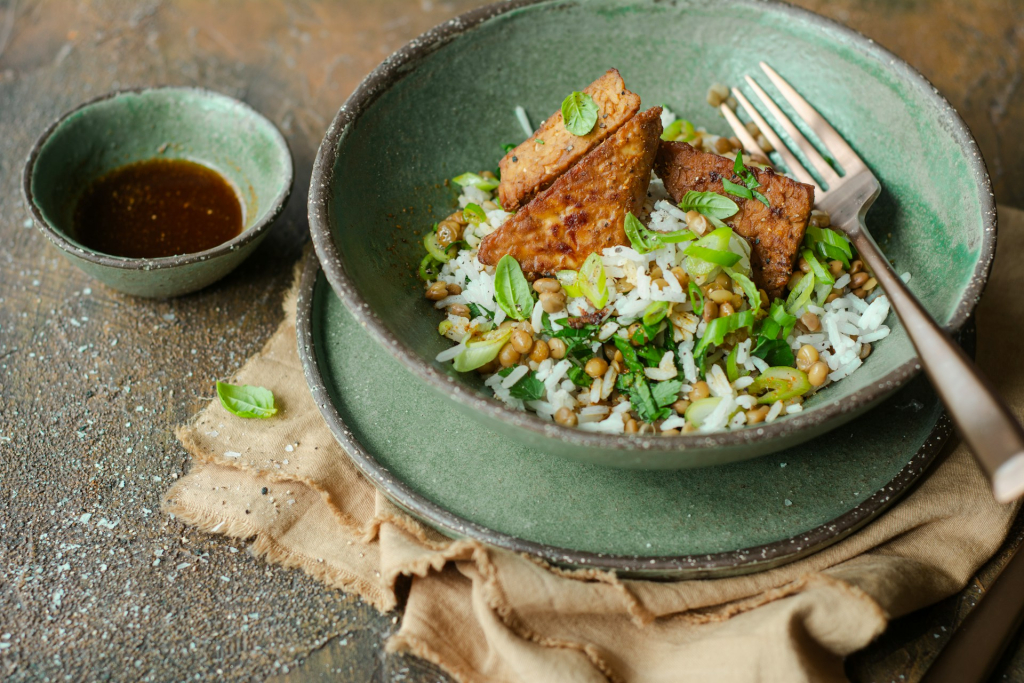
So, eating rice and chicken every day isn’t enough—you’ll do best by regularly including legumes, fresh veggies, and healthy fats like nuts and seeds on your plate.
You don’t have to change everything overnight or demonize your favorite cookie. Just swapping beef for fish, pastries for fruit, and margarine for avocado or olive oil more often already makes a big difference for your future self!