Then run the machine empty and hot
With the parts clean, run a long, empty cycle at the highest temperature your machine offers — many have a dedicated drum clean or tub clean setting. Heat is what breaks down the greasy detergent film that cooler eco cycles leave behind. For scale in hard-water areas, citric acid or a proprietary descaler works well. A cup of white vinegar is the classic kitchen alternative; used occasionally it's fine, but I wouldn't make it a monthly habit, because acid over time is unkind to rubber seals and hoses. Never combine bleach and vinegar in the same cycle — mixing them is genuinely unsafe.
Afterwards, wipe the drum and glass dry, and leave the door and the detergent drawer slightly open so air circulates. That one habit alone prevents most future smells.
How often should I clean my washing machine?
A full reset — drawer, seal, filter and hot empty cycle — once a month suits most households, and every six weeks is fine if you wash rarely and mostly at higher temperatures. If you wash a lot at 30 degrees, use fabric softener, or live somewhere with very hard water, stay monthly. Between resets, the two-minute version is simply wiping the seal dry and leaving the door ajar.
Why does my laundry still smell musty after washing?
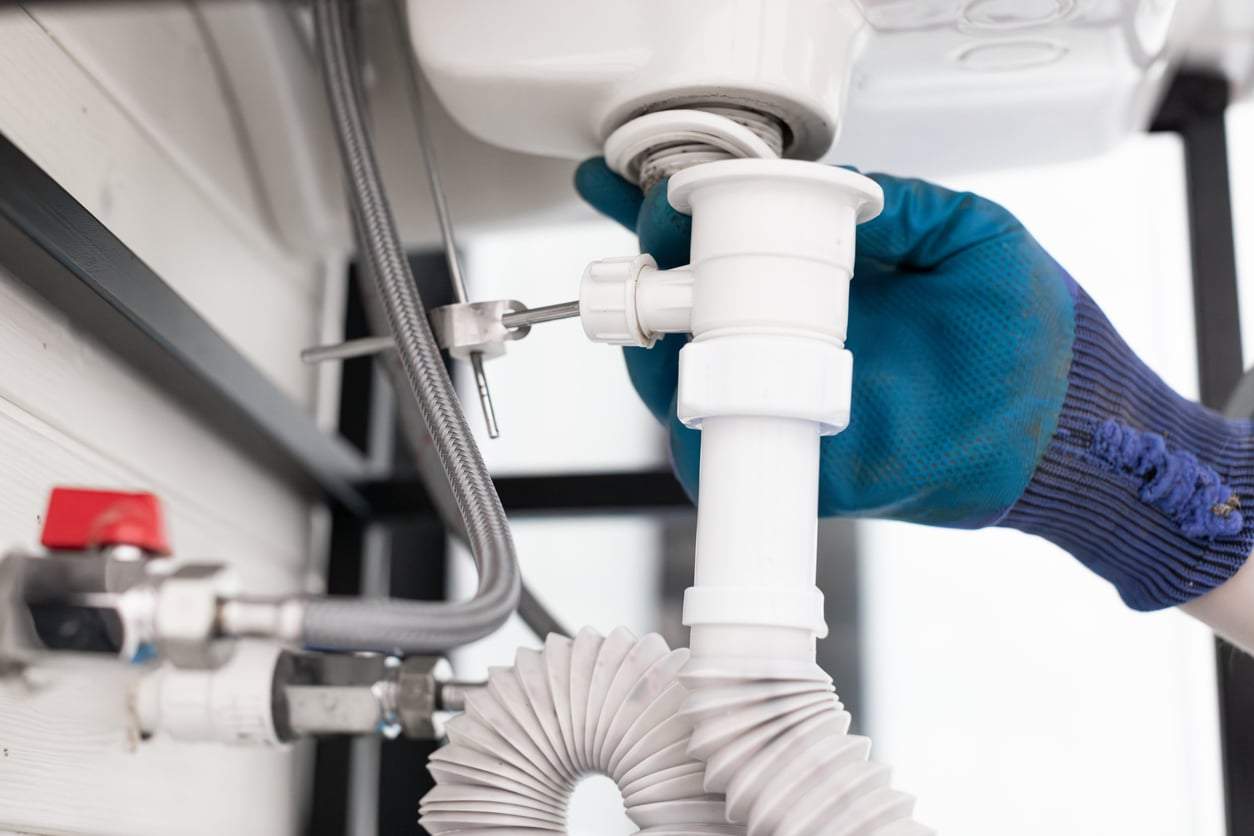
The most common causes are a dirty seal or filter, too much detergent leaving a film that traps odour, and clothes left sitting damp in the drum after the cycle ends. Work through those in order: do the reset above, cut your detergent dose slightly, and hang washing within an hour of the beep. If the smell persists after a clean machine and a hot wash, check that the drain hose isn't kinked or pushed too far down the standpipe, which can let waste water sit back in the system.