One of the most common household challenges in winter is definitely drying clothes. The cold air, short days, and lack of sunlight often mean freshly washed clothes stay damp for days. This can lead not only to musty smells but also bacteria and mold on the fabric.
The good news? You don’t have to wait for spring to fix this. With a few smart indoor tricks, you can dry your clothes quickly, effectively, and odor-free—even without sunlight.
If you live in an apartment, have limited space, or just have a busy schedule, these tips will be your new best friends.
1. Drying Starts in the Washing Machine
The Daily Jagran recently highlighted some golden tips for winter drying. Let’s start with a step many overlook: the first part of quick drying happens right in your washing machine. Use a high spin speed, especially for thicker fabrics like towels, jeans, or cotton sweaters.
A stronger spin can remove nearly 60% more water from your clothes, cutting drying time significantly. If your machine allows, consider running an extra spin cycle. Just be sure to check the fabric care labels so you don’t damage delicate items.
2. Proper Hanging: Airflow Is Key
Clothes don’t need heat to dry—they need moving air. This is especially true indoors.
To help air circulate better:
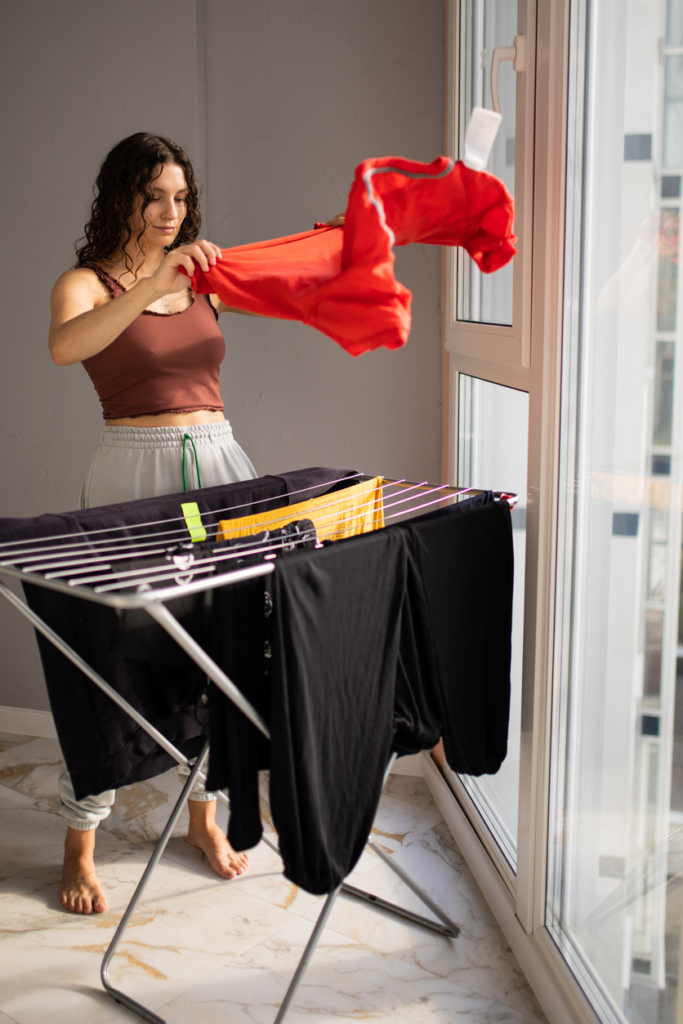
- Don’t overcrowd your drying rack,
- Leave at least a hand’s width of space between clothes,
- If using clothespins, clip only one side to allow airflow.
The more surface area exposed to air, the faster moisture evaporates.
3. Smart Use of Fans or Heaters
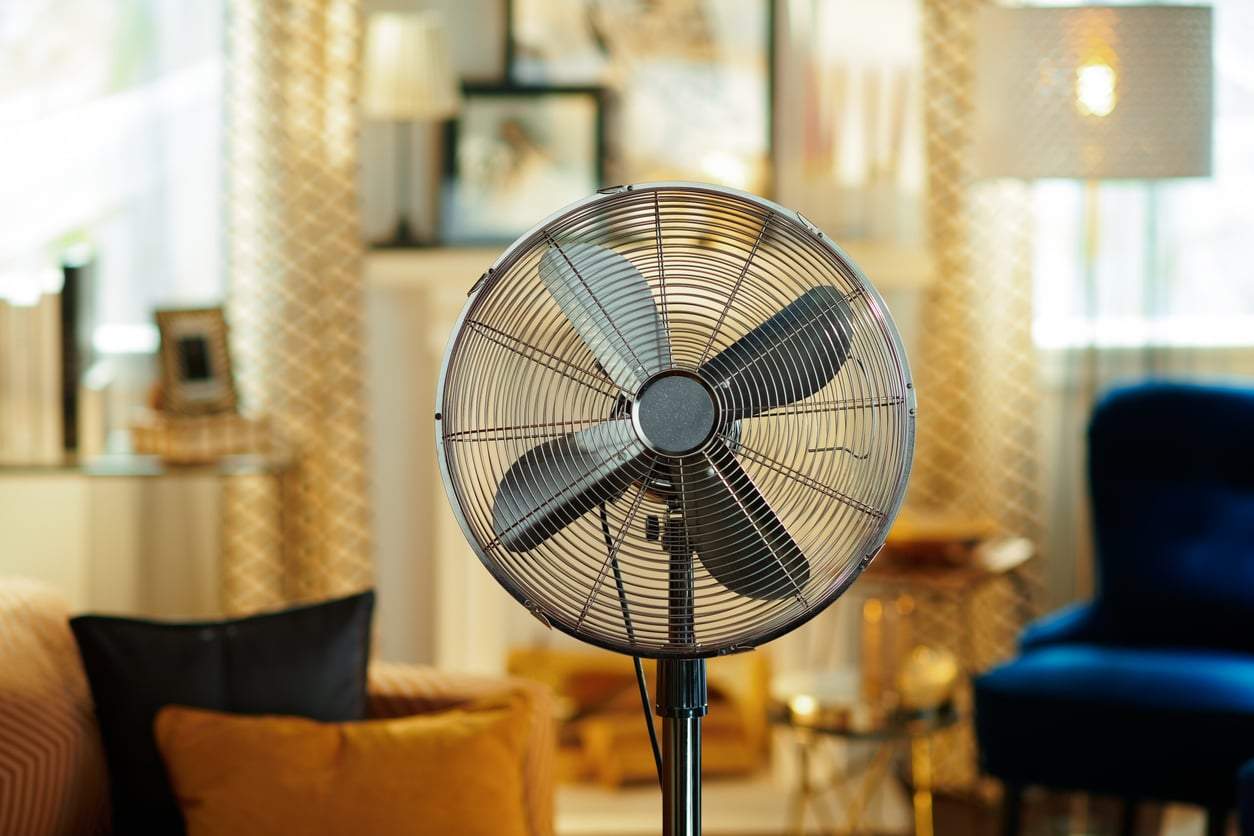
You don’t need an industrial dryer to speed things up. A simple fan can work wonders if positioned right. Place it facing your drying rack and direct airflow straight onto the clothes.
If using a heater:
- Never cover it completely,
- Keep a safe distance,
- Circulate warm air instead of heating clothes directly.
This method saves energy and speeds drying more than you might expect.
4. Dehumidifier: Your Secret Winter Weapon
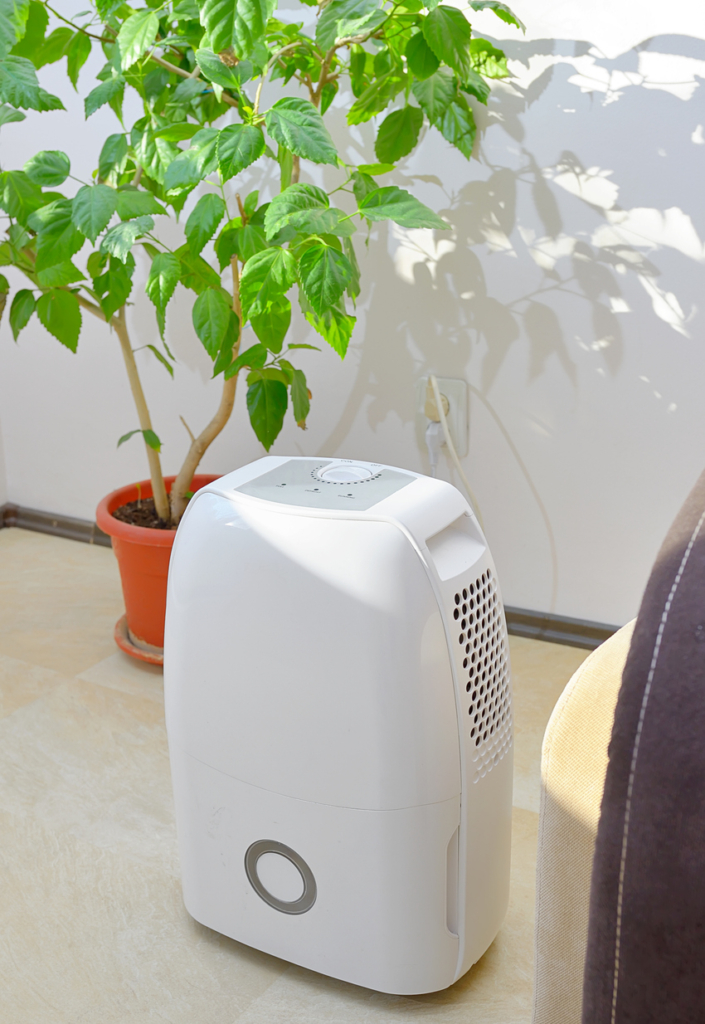
Winter air indoors can be surprisingly humid, especially after cooking, bathing, or drying clothes. High humidity slows drying and encourages unpleasant odors.
A dehumidifier can:
- Extract excess moisture from the air,
- Help clothes dry faster,
- Leave your laundry smelling fresher.
Especially handy in smaller homes or places where indoor drying is the norm all winter.
5. Don’t Leave Clothes Untouched—Turn and Fold
Thicker items like sweaters, jeans, and sweatshirts tend to stay damp inside. It’s a good idea to turn or move them every few hours.
These small moves can:
- Ensure more even drying,
- Help prevent musty smells,
- And shorten overall drying time.
6. Avoid Closed Spaces and Be Patient
It might be tempting to cram clothes into a small, closed room—but this is a common mistake. Stale air traps moisture, creating the perfect breeding ground for bacteria.
If you can:
- Ventilate regularly,
- Don’t leave wet clothes sitting in the washer for hours,
- And dry fewer clothes at once.
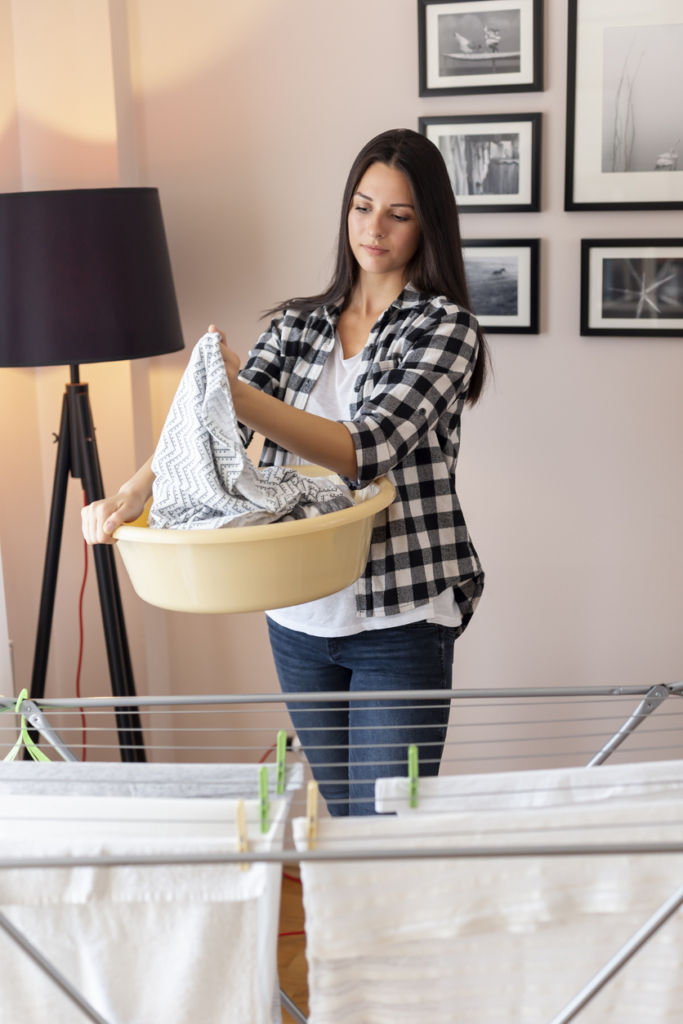
Fast, Fresh Clothes Drying Is Possible in Winter
Winter drying doesn’t have to be frustrating. With a bit of mindfulness, good airflow, and some smart tools, you can dry your clothes efficiently without sunlight. The result? Fresher-smelling laundry, less waiting, and more relaxed days.