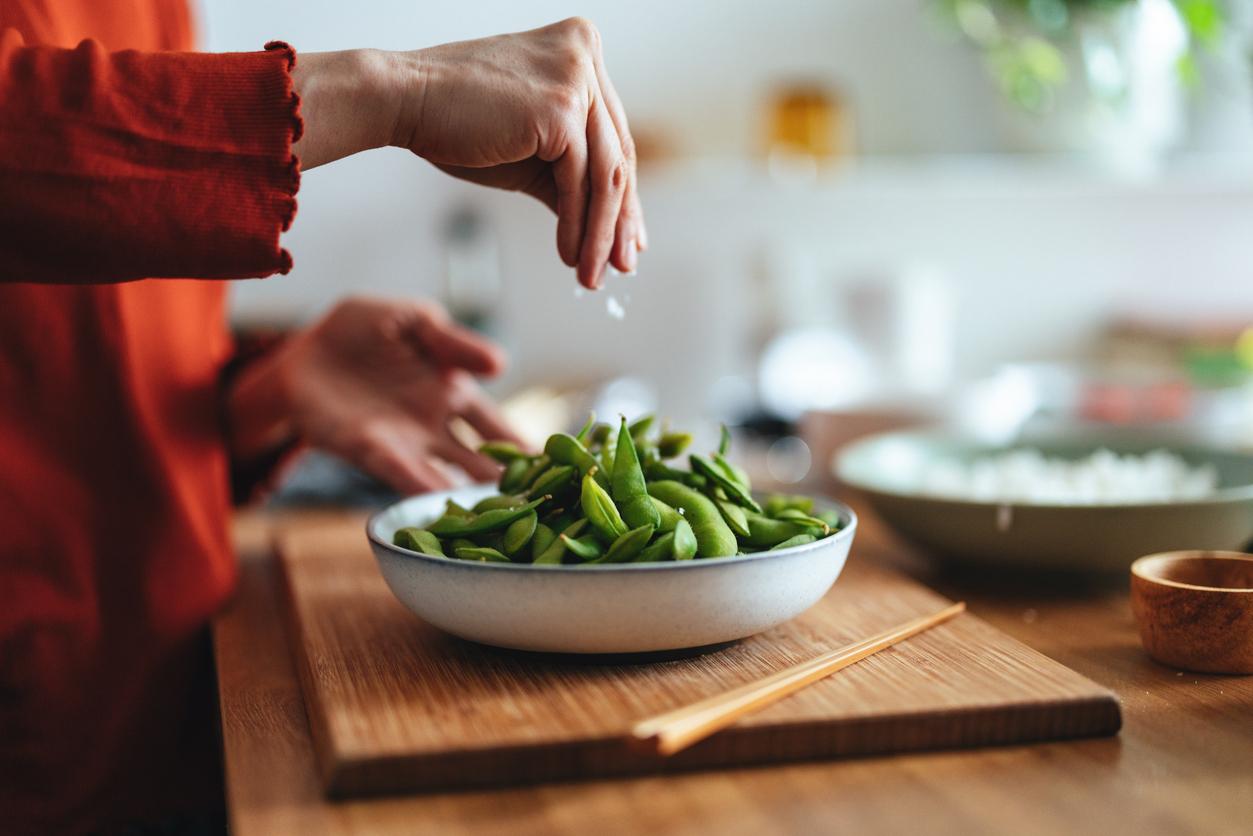
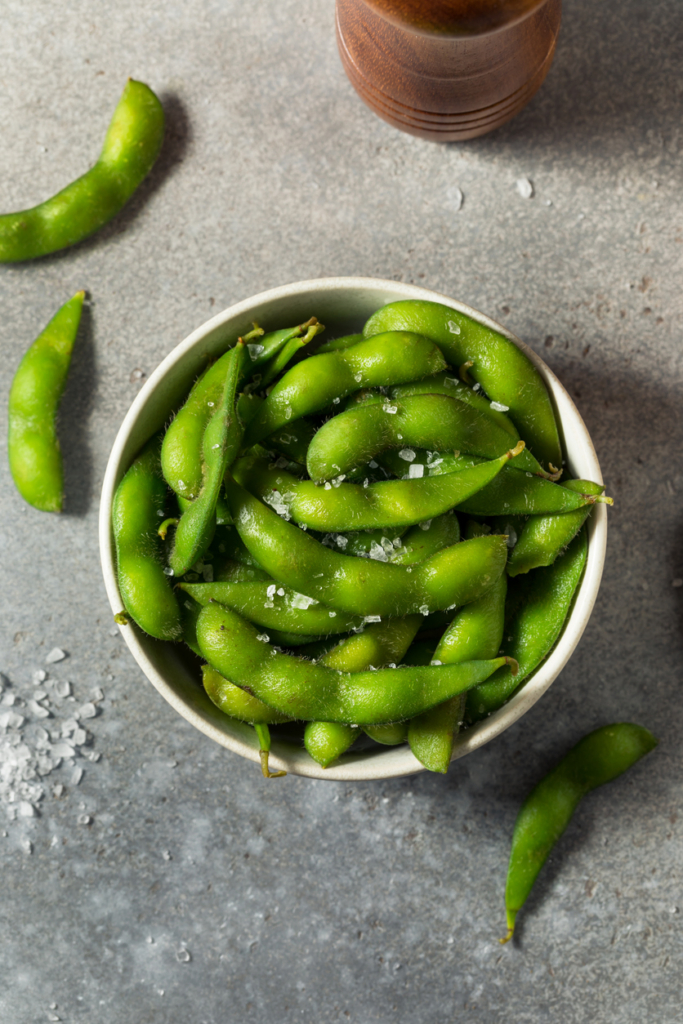
If you love snacking on edamame but have only ordered it alongside sushi until now, here’s some great news: you can grow this crunchy, protein-rich green soybean indoors yourself! No garden or special gardening experience required—just a few essentials and some attention.
Edamame thrives surprisingly well in pots, making indoor growing a totally doable option.
The Basics: Container, Seeds, Timing
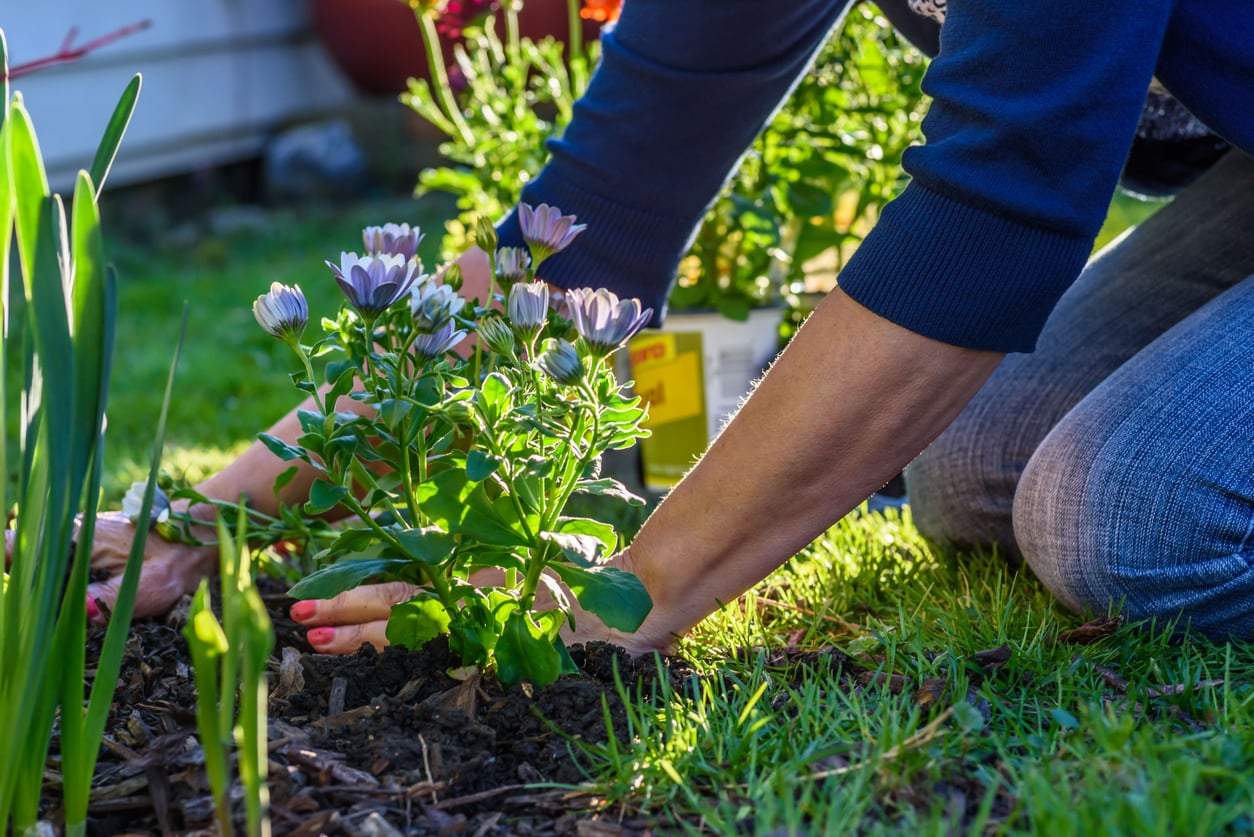
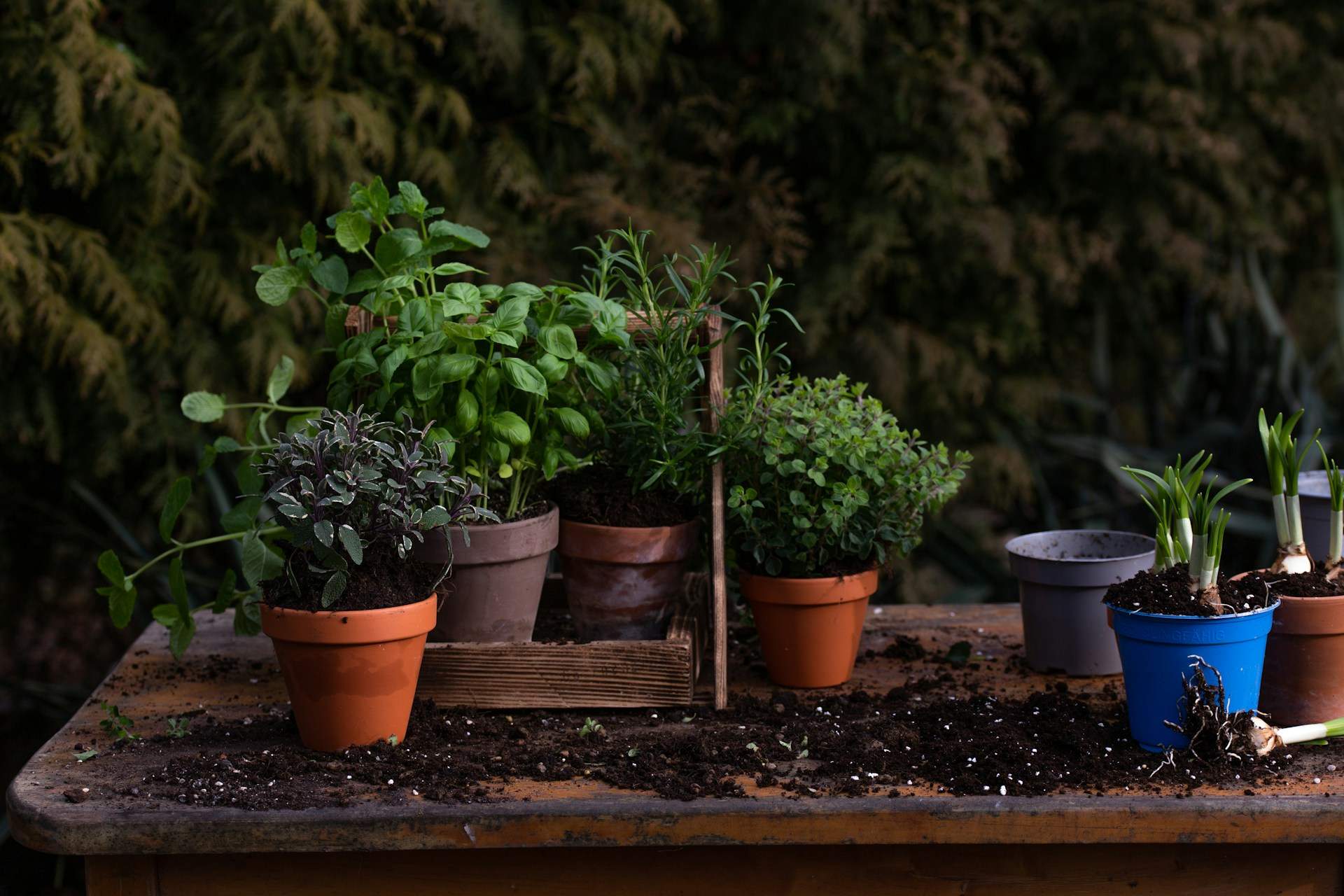
Success starts at the beginning. Edamame’s roots grow fairly deep, so you’ll need a pot at least 30 cm (12 inches) deep and wide. Plant the seeds about 1–2 cm (half an inch) deep. You can sow several seeds in one pot and thin them out later.
While season matters less indoors, spring or summer planting is best since edamame loves light, and it’s easier to provide plenty of sunshine then.
Light: The Most Important Factor
If there’s one thing you can’t skimp on, it’s light. Edamame needs 6–8 hours of direct sunlight daily to produce pods. This can be tricky indoors, so place your pot by a south-facing window if possible. If not, a simple grow light can make a big difference.
Without enough light, the plant will grow but likely won’t produce many pods—or only very few.
Watering: Not Too Much, Not Too Little
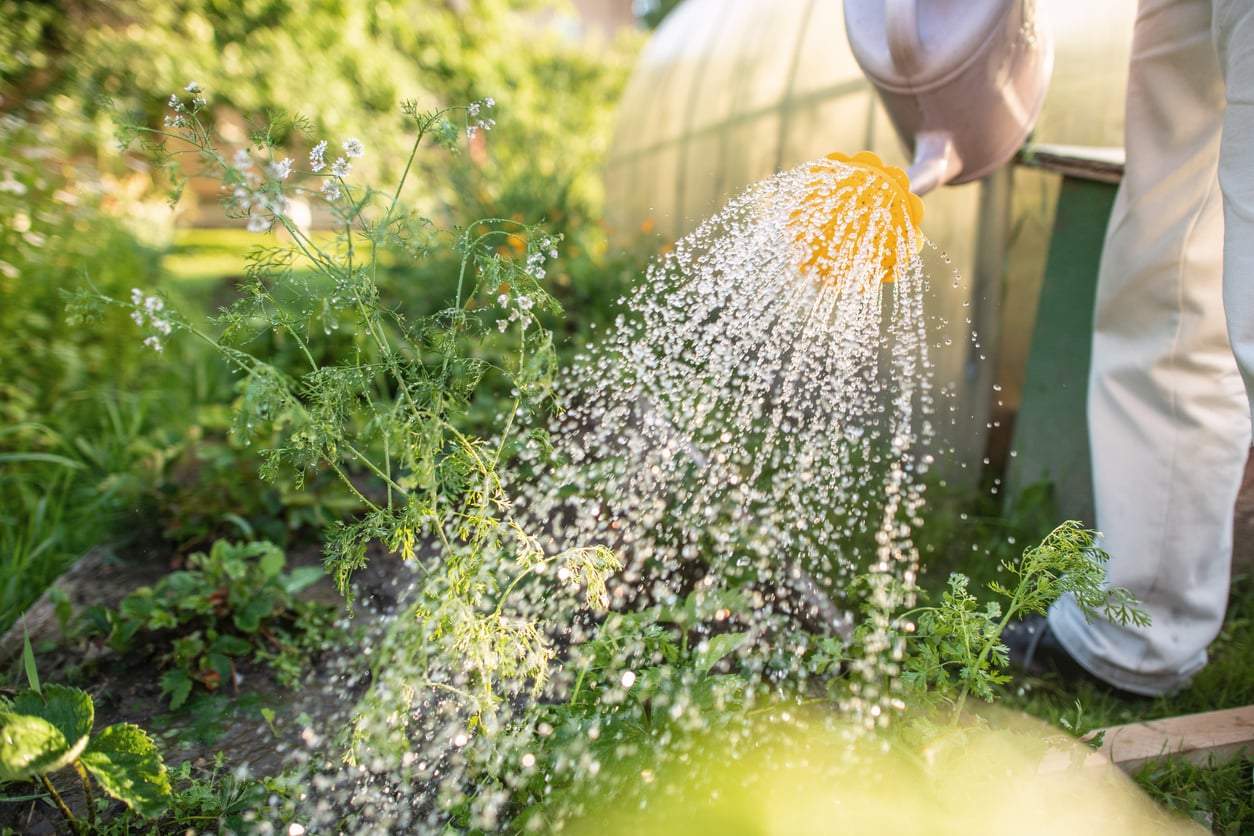
Edamame likes balanced watering, but how you water matters. Outdoors, about 2.5 cm (1 inch) of water per week is ideal. Indoors, moisture evaporates slower, so water less often. Keep the soil lightly moist but never soggy.
Overwatering can cause root rot, a common mistake for beginners.
Soil: Good Drainage Is Key
Edamame isn’t picky but won’t thrive in just any soil. It prefers loose, well-aerated soil that holds moisture yet drains excess water. Mixing in perlite and vermiculite helps improve air flow and moisture control.
Make sure your pot has drainage holes at the bottom—without them, success is nearly impossible.
Temperature and Nutrients
Edamame loves warmth: ideally around 26–27 °C (79–81 °F) during the day. Balanced nutrition is important. Though it can fix its own nitrogen as a legume, it still needs phosphorus and potassium.
A general vegetable fertilizer works perfectly.
When to Harvest?
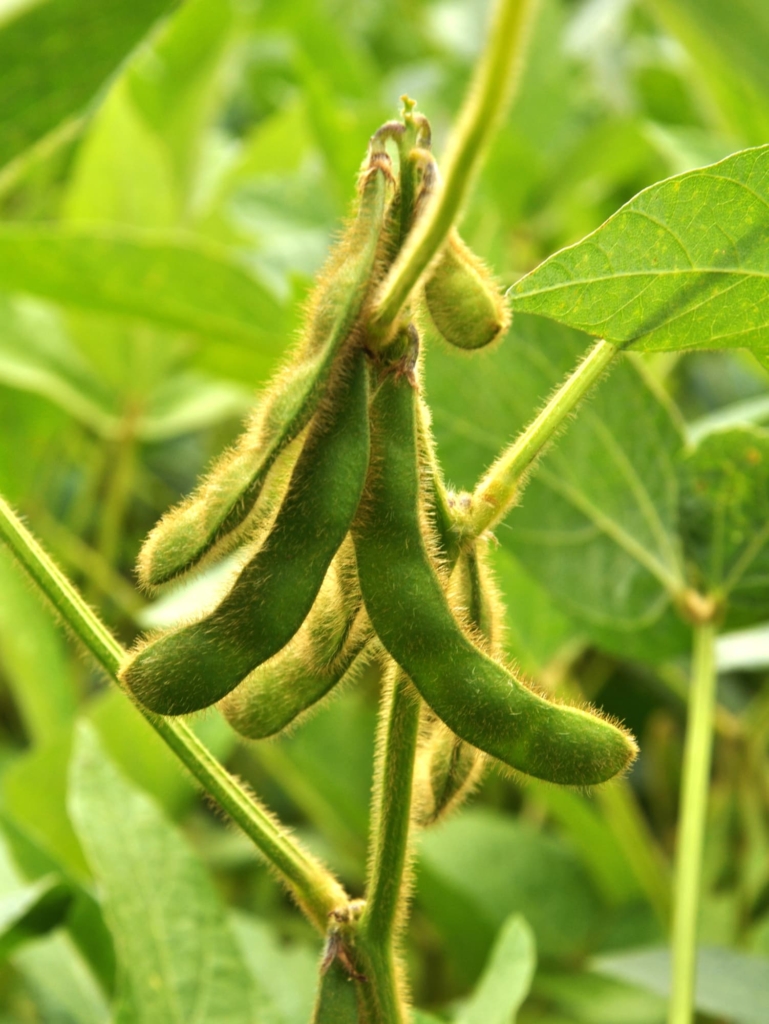
Harvest edamame just before it looks fully ready. Pick the pods when they’re plump and bright green—this is called the R6 stage, right before full maturity. If you wait until they start yellowing, it’s too late.
Harvesting is simple: just snap off the pods like you would with green peas or green beans.
Edamame is an ideal indoor vegetable because it produces pods fairly quickly (about 10–12 weeks), doesn’t require complicated pruning or staking, and adapts well to pot growing. The biggest challenge is almost always light—once you solve that, everything else becomes routine.