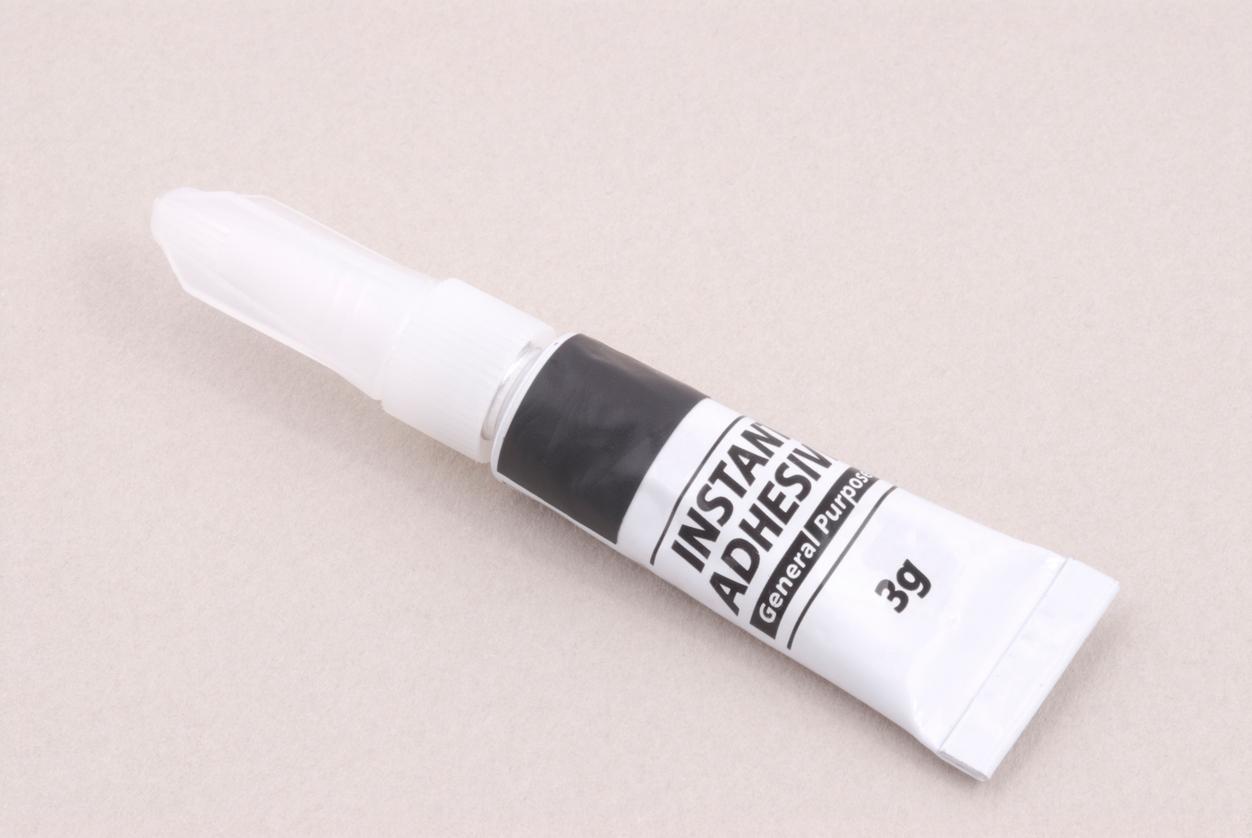
Instant glue is both a blessing and a curse: in my household of two—me and a 6-year-old—things often break, fall apart, or tear. When repairs are needed, I usually reach for glue. The “no worries, we’ll fix it” mindset quickly turns into panic once the glue is in my hands—because it’s a powerful tool that can cause more harm than good if used on the wrong spot.
To ease my worries, I researched how to remove instant glue stains, whether on skin, clothing, or beautiful wooden furniture. Dried glue can leave stubborn marks, but the good news is there are several effective and safe methods to tackle them, depending on the surface.
First Steps: What You Should Always Do
When instant glue accidents happen, the most important thing is to stay calm. Treat the stain as soon as possible because fresh glue is much easier to remove than fully hardened glue. But never rush with harsh or forceful moves—that often causes more damage than good.
Before using any solvent, test it on a less visible area to see how the material reacts. This is especially important for painted, varnished, or colored fabrics.
How to Remove It from Skin
Skin is probably the most common spot for accidental instant glue contact. The first and easiest step is to soak the glued area in warm, soapy water. This helps loosen the bond and often allows you to gently peel off the dried glue. If that’s not enough, try acetone-based nail polish remover, which is especially effective at dissolving glue.
If you have sensitive skin, gentler options like olive or coconut oil, petroleum jelly, or baby oil can help loosen the glue. The trick is to patiently massage the product around the glue, then carefully try to lift it off.
Never forcibly peel it off, as this can cause injury. Once the glue is gone, wash the area thoroughly and apply moisturizer, since solvents can dry out your skin. And of course, if glue gets on your face, eyes, or other sensitive spots, or if removal fails, seek medical advice.
What to Do if Glue Gets on Your Clothes
Instant glue on fabric is a tough opponent. Start by gently scraping off the dried glue with a blunt knife or spatula, being careful not to damage the fibers.
If the stain is stubborn, acetone might be your next option—but always check first if the fabric can handle it.
If acetone isn’t suitable because the fabric is delicate, soak the item in soapy water and complement the treatment with a stain remover. It may take several washes to fully erase the mark, but with patience, most stains can be defeated.
How to Remove Glue from Hard Surfaces
Different hard surfaces react differently to glue and solvents, so it’s best to approach each material individually.
For plastic, acetone often works well—if the surface isn’t sensitive to it. If you’re worried about damage, try oils or vinegar, which loosen glue more slowly but safely.
Wood is more delicate: acetone can ruin paint or varnish. Instead, use oil or vinegar treatments, or as a last resort, gently sand off the residue with fine sandpaper—taking care not to damage the surface.
Metal is simpler. Acetone is almost always effective, and hydrogen peroxide can work well on smaller spots. After loosening the glue, wipe it away and polish the surface to restore its shine.
Key Things to Keep in Mind
While it’s tempting to reach for the strongest chemical right away, it’s always better to start with gentler methods. Acetone is powerful but can damage many surfaces. Never let it touch your eyes or mouth, and always work in a well-ventilated area. Be extra cautious with delicate fabrics like silk or wool, because the wrong treatment can cause more harm than the glue stain itself.