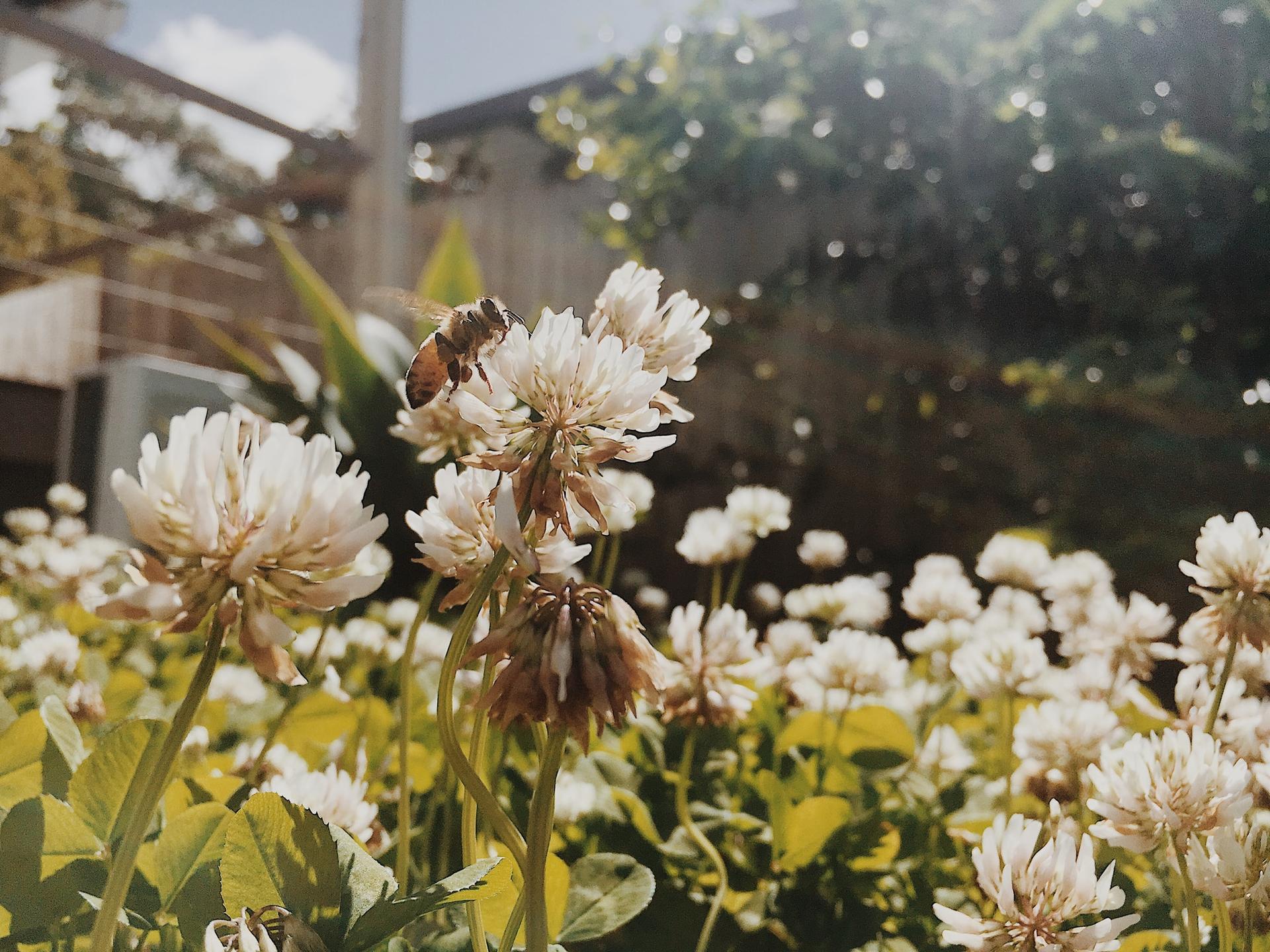
The wonderful fabric of nature is also manifested in the phenomenon of pollination, in which bees and other pollen carriers play an indispensable role. Just think, when you bite into a juicy apple or enjoy a vitamin-rich orange, you are actually benefiting from the blessed activity of pollinators. Thanks to the work of bees, many of our essential foods come into being, which is why it is especially important to design our garden in a way that supports these vital creatures.
Why is supporting pollinators important?
Pollinators, especially bees, play a fundamental role in our ecosystem and the sustainability of our food supply. They are not only involved in pollinating fruits and vegetables but also help the reproduction of many wild plants that are essential for maintaining biodiversity. By creating a bee-friendly garden, you can contribute to ensuring that these small creatures have enough food, find a protected home, and can effectively carry out their pollination work.
Choosing pollinator-friendly plants
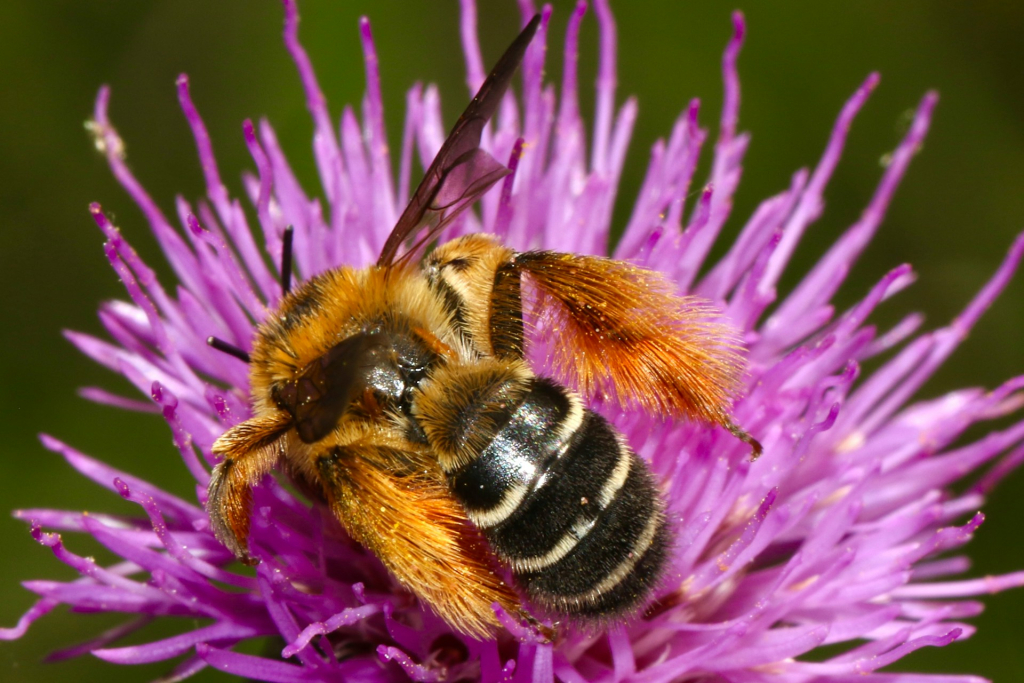
The first and perhaps most important step when planning your garden is to choose plants that are attractive to bees. Flowers with a honey scent, such as lavender, sunflower, and linden, are almost irresistible to them. Make sure to offer a variety of blooms at different times of the year. Consider plants like crocus, which provides nectar early in spring, or chrysanthemums that bloom later and provide food before the onset of autumn cold.
Avoid using chemicals
Chemicals and insecticides can cause harmful effects on bees that may endanger both them and the plants they pollinate in the long term. Instead of chemicals, try natural solutions such as neem oil, which effectively protects plants from pests without harming beneficial insects. Another option is integrated pest management, which combines various biological and mechanical methods to protect plants.
Providing a natural water source
While tirelessly carrying out their pollination work, bees often get thirsty and need some water source. A small, shallow birdbath or a small garden pond edged with stones can be a great solution. It is important that the water is not deep so that bees can easily drink from it without drowning.
Dream up a refuge for them!
Bees, especially solitary ones, rarely find shelter in places you might first think of. A simple “bee hotel” made from natural materials offers them a great opportunity to find nesting sites. You can place a block of wood in your garden with holes of various sizes drilled into it. This not only provides a protected resting place but also makes your garden visually special.
Friends of pollinators: magical flowers
Remember that supporting the local flora is essential for sustaining local bee populations. Native plants are not only well adapted to environmental conditions but also more nutritious for local pollinators. Choose local flowers that have adapted to the climate, as these will be especially attractive to bees.
Garden care and bee protection are closely intertwined because just as we enjoy our green environment, bees seek important food and safety there. If you pay attention to the tips mentioned above, you can transform your garden into a magical bee-friendly oasis that will be a refuge not only for pollinators but also a true source of harmony for you.