There’s nothing quite like resting your head on a pillow after a long day. But whether you truly find peace there depends a lot on how clean your pillow is, how well it holds its shape, and if it stays soft over the years.
Over time, pillows gather sweat, oils from our skin, dead skin cells, and dust, which can not only cause unpleasant smells but also trigger allergies. Fortunately, most pillows are easy to wash in the machine if you follow a few important steps and tips.
Why You Should Wash Your Pillows Regularly
You probably wash your pillowcases regularly, but it’s worth giving some attention to the pillow itself, as dirt can build up inside over months. If you don’t clean them often, these deposits can cause unpleasant odors and shorten your pillow’s lifespan. Experts recommend washing pillows every 3–6 months, especially if you sweat a lot or have allergies.
Prep Work: Check the Label and Sort by Type
Before tossing your pillows into the washing machine, check the care label and washing instructions. Not all pillows are machine washable! Memory foam and latex pillows shouldn’t go in the machine, as the strong agitation can damage their structure. Instead, spot clean or air them out, and letting them sit in the sun briefly can also help.
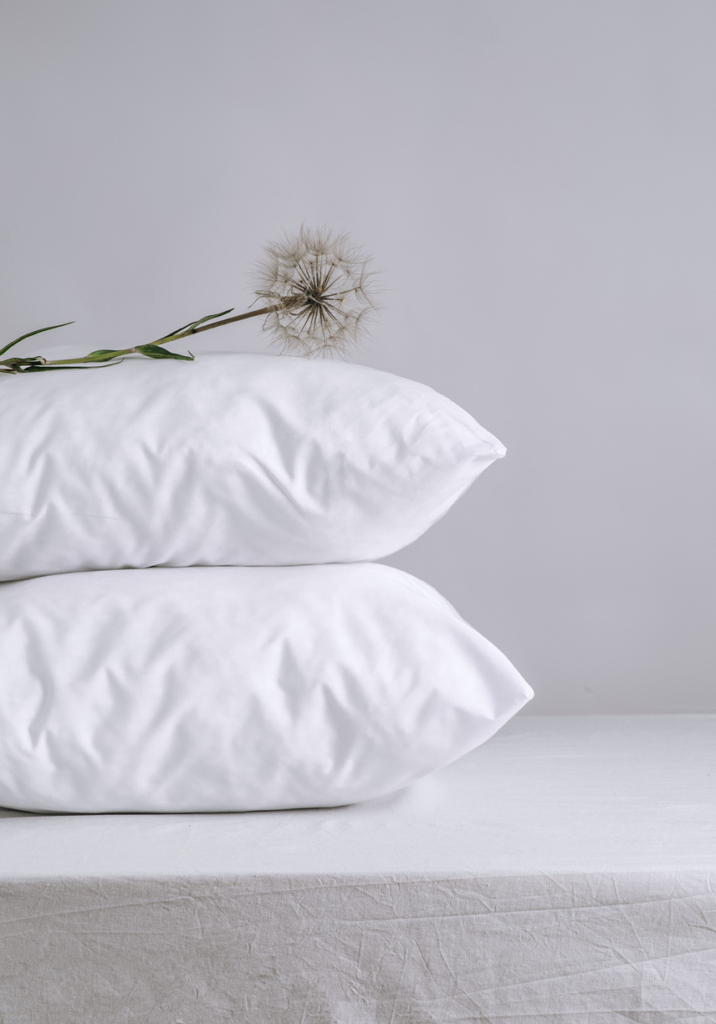
Feather, down, synthetic, or fiber-filled pillows are usually perfectly fine to wash in the machine.
Step-by-Step Washing Guide
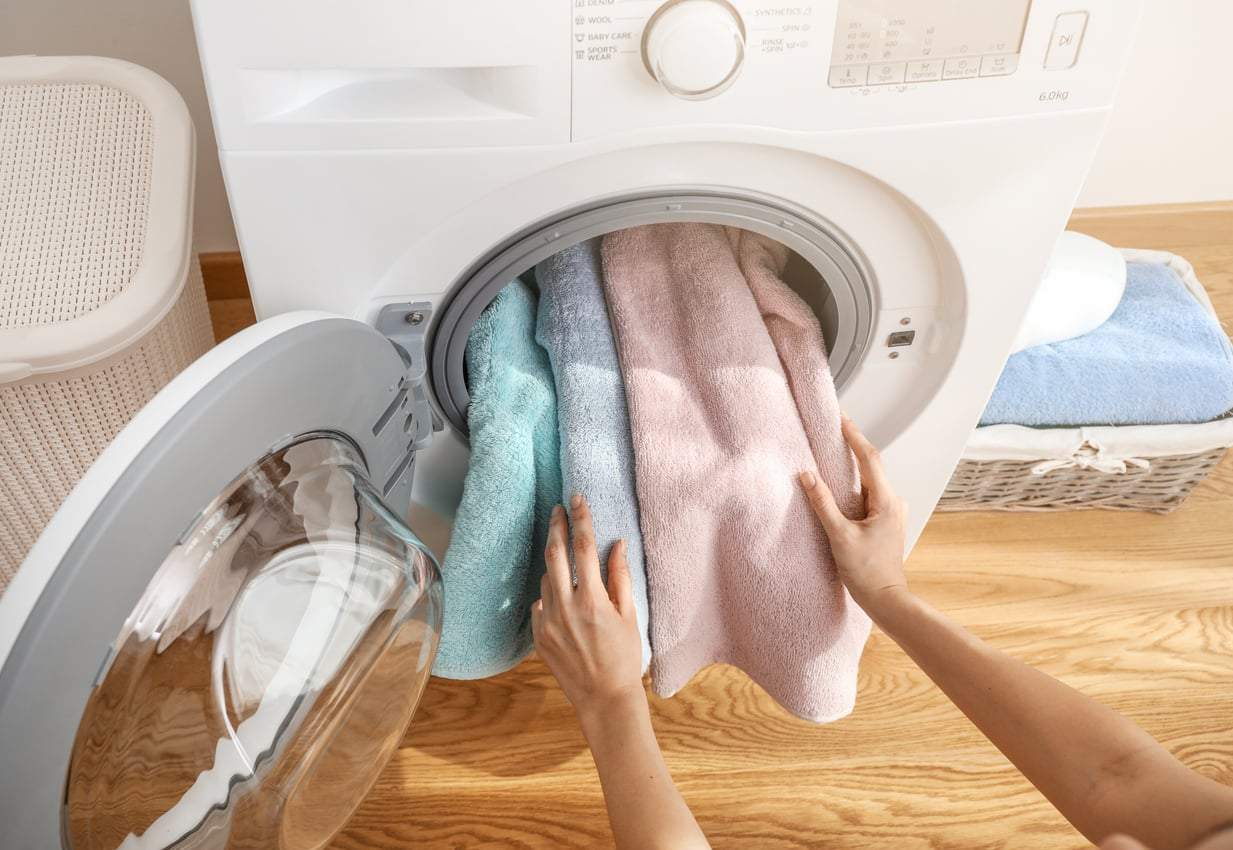
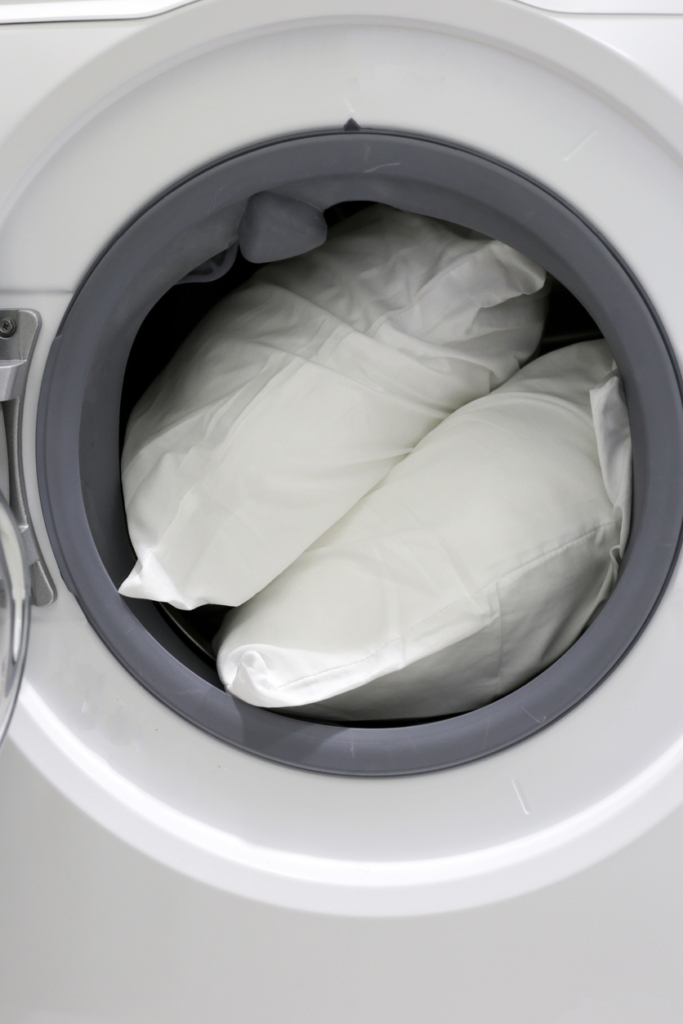
Remove all pillowcases first — you can wash those separately every week. If possible, wash two pillows at once, or if there’s only room for one, add a towel to balance the load.
Washing just one pillow can cause uneven weight distribution, making the wash less effective and increasing the risk of damage.
Use a gentle or delicate cycle with warm or lukewarm water. Choose a mild liquid detergent and skip fabric softener — it can coat the filling and reduce fluffiness.
If your machine allows, add an extra rinse cycle to remove detergent residue, which can cause clumping inside the pillow.
Drying: One of the Most Important Steps
Proper drying is key because trapped moisture can lead to mold and bad odors. Set your dryer to low heat or an air-dry setting. Toss in 2–3 clean tennis balls or dryer balls — they help break up the filling so pillows stay fluffy and soft.
Check periodically: if the center is still damp, run another low-heat drying cycle.
Washing pillows isn’t complicated — with a little care, you can keep them fresh and feather-light right in your machine. Check your pillow type, use the right cycle and drying method, and balance the load with towels if needed. This way, your pillow stays clean and keeps its shape and texture longer, letting you enjoy the comfort your bed and pillows bring you.