These changes mainly affect areas linked to emotions, memory, and information processing—exactly the parts many women feel more sensitive about during this time. That means with every cycle, the brain subtly rewires itself, even if we don’t consciously notice it. Keep reading to discover more fascinating facts about this topic.
Emotional Rollercoaster or Biological Response?
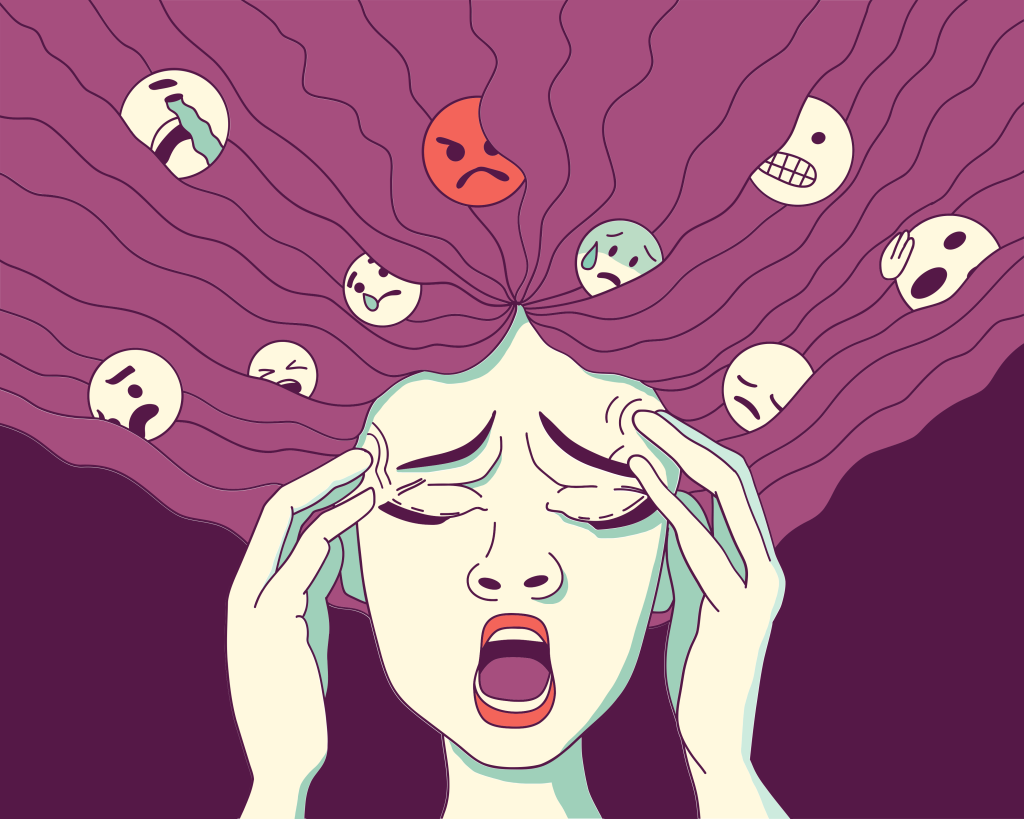
Elma Jashim, a young woman preparing for medical school, describes it like this: “A few days before my period, I feel a kind of empty, flat mood. I’m not sad, but not happy either. The smallest stress or mistake almost brings me to tears.” Many experience this, but until recently, what happens in the brain during these times wasn’t clear. Now we know these emotional reactions have real, measurable biological roots in the brain.
The Female Brain Is Built to Adapt
Animal studies have long shown that estrogen, a key female hormone, affects the brain—especially the hippocampus, which handles learning and memory. But its impact on the human brain was less certain. Today, we know the adult brain isn’t static. Female hormones dynamically reshape both gray and white matter. This is huge because for a long time, we thought adult brains barely changed. Now we see women’s brains do this multiple times a month.
What Happens During the Cycle?
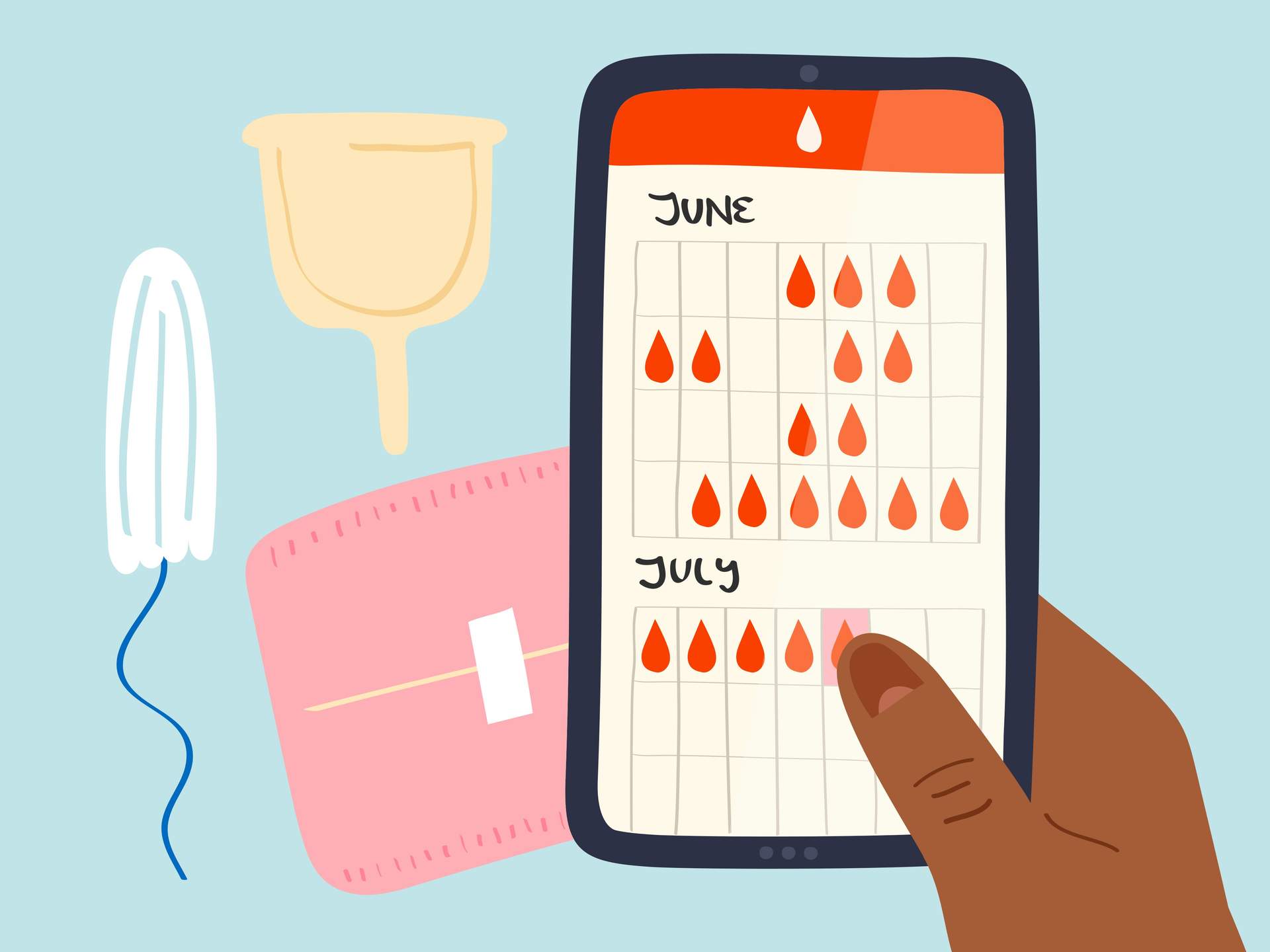
The menstrual cycle usually lasts 25–30 days. At the start, estrogen and progesterone levels are low. Then estrogen rises, prepping the body for ovulation. After mid-cycle, progesterone increases to ready the body for a possible pregnancy. If pregnancy doesn’t happen, hormone levels drop again, and a new cycle begins. These finely tuned hormonal shifts don’t just affect reproductive organs—they directly influence how our brain works.
This hormonal wave impacts the brain as much as the uterus. German and American researchers studied over 50 women using state-of-the-art MRI scans at different cycle points. The images revealed striking changes in the hippocampus, the brain’s memory hub. Gray matter thickens when estrogen rises, then other areas activate as progesterone takes the lead. This means our brain continuously responds to hormonal changes, shaping how we perceive, react, and think.
Hormones Also Influence How Fast We Think
White matter—the brain’s “data highways”—also reacts to hormones. One research team found that before ovulation, white matter structure shifts to support faster information processing. It’s like the brain “speeds up” during certain cycle phases. This is exciting because most studies focused on gray matter before, but now we see hormone-driven changes also affect how efficiently our brain communicates internally.
Change = Better Function? Not Always
Researchers aren’t yet sure if these brain changes directly cause mood swings or cognitive challenges during menstruation. But one thing’s clear: the adult brain can undergo rapid, cyclical structural shifts—a groundbreaking discovery. This opens new doors for understanding women’s mental health, especially conditions like PMS, depression, or memory issues.
Women’s Brains Are Almost Ignored in Research
It’s also alarming that although Alzheimer’s affects 70% of women and depression 65%, only about 0.5% of brain studies examine women’s brains across their cycles. Many drugs and therapies are still mainly tested on men. This scientific imbalance means we miss crucial details, even though women’s biology deserves equal attention.
It’s Time to Take Women’s Brains Seriously
“Menstruation involves not just physical but neurological changes—this isn’t moodiness, it’s biology,” says Julia Sacher, lead researcher. Going forward, it’s essential to study the female nervous system separately and factor this cycle into drug research and psychological support. To truly help women, we must first accept their brains work cyclically and stop treating this as taboo.
The female brain doesn’t just fluctuate—it adapts, reshapes, and constantly responds to the body’s rhythm. This is not only fascinating but has serious scientific and health implications. The more we learn, the closer we get to empowering women to understand and support their mind-body connection, cycle by cycle.