We often hear: “My mom’s cooking is the best,” “No one can beat my grandma’s chicken paprikash,” or “It’s tasty, but it’s just not like home.” These words can be both comforting and a bit overwhelming. Family flavors carry memories, emotions, and moods — so it’s no surprise we speak about them with nostalgia.
But these statements — even unintentionally — can turn into comparisons, making the new cook in the family, partner, or friend feel like no matter how hard they try, someone’s tried-and-true recipe will always “win.” But it shouldn’t be about competing. It’s about connections, personal journeys, and how we share ourselves through a plate of food.
The Legacy I Carry — and What I Add
Many of us grew up practically in the kitchen. The scents, the bubbling pots, those first tastes — all unforgettable experiences. I have countless childhood favorites tied to my mom’s cooking. She taught me how to make the dishes that comforted me as a kid, brought us together around the table, and still transport me back to those times.
But as an adult, when I started cooking not just for myself but for others, I began drawing inspiration from new places. New flavors, cultures, and ingredients found a place in my kitchen.
Asian cuisine, for example, completely captivated me — and I was happy to see my mom open to it too. There were moments when I introduced her to something new, offering dishes she hadn’t tried before — and that was a wonderful feeling. Inspiring each other, not just learning one way — that’s one of the gifts adulthood can bring, if we let it.
It Doesn’t Have to Be “Exactly the Same” — Just Made with Love
For a long time, I felt pressure to cook just like my mom — not to disappoint, to prove that I could bring the same warmth, flavor, and care to the table. But over time, I realized that’s not necessary. We don’t always have to make the exact same dishes if we’re craving something different.
I season differently, have different favorites, and cook in my own way — and that doesn’t mean I’m cooking worse, just differently. I believe not everyone has to love every bite. Just as I don’t have to cling to everything someone else does. Openness matters more than expectations. Food can nourish not only our bodies but also our connections — with both the cook and the one we’re cooking for.
Words Really Do Carry Weight
One important thing I’ve learned: the kitchen isn’t just about utensils and recipes — it’s about emotions too. So when someone puts time, energy, and love into cooking, feedback should be kind. Instead of immediately saying, “This isn’t like your mom’s,” why not simply say, “Thank you for cooking”? — even if it’s not a new favorite.
We never know how much uncertainty, trial, or fear is behind a dish. A kind word means more than any recipe critique. And if we do have constructive thoughts, we can share them in ways that don’t make the other person feel less. Respecting effort and uniqueness — that’s what truly matters.
Cooking Together Can Build Stronger Bonds
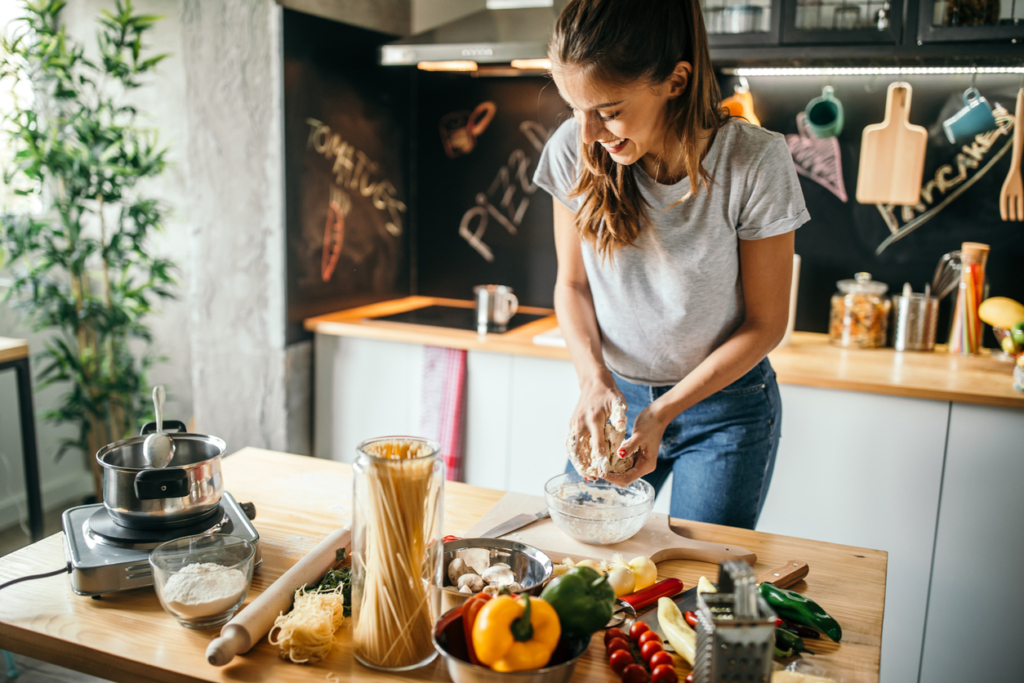
Nowadays, my mom and I often take turns cooking. Sometimes following her recipes, sometimes mine. We brainstorm together, reinvent old dishes, or try completely new ones. We learn from each other, laugh at the baking mishaps, and celebrate the delicious results.
This dynamic, this balance, is something I deeply value in the kitchen and beyond. We don’t have to be the same to work well together. In fact, our differences bring new colors and flavors to both our food and our lives.
Cook the Way That Feels Right — and Share Something Meaningful
I don’t cook like my mom, and I’ve come to see that’s perfectly okay. What I received from her — a love for flavors, the joy of cooking, the desire to care for others — I carry forward, adding my own path, tastes, and world.
The best meals aren’t always about “perfect” recipes — they’re about someone paying attention, investing time, and cooking with heart. That’s something worth appreciating, not comparing.