The linoleum squeaked under my slippers as I walked out of the room where my mother's body still lay. A nurse said something behind me — take your time, this is going to be hard — but I already knew something was wrong with me. I wasn't crying. I walked to the vending machine, bought a coffee, and my hands were completely steady.
Three years that caregiving swallowed whole
I cared for her for three years. I'm not softening that. Three years of feeding her, repositioning her, coaxing her to sleep each night like a child — while my own life stood completely still outside that door. My friends were dating, changing jobs, traveling. I was checking every morning to see if she was still breathing.
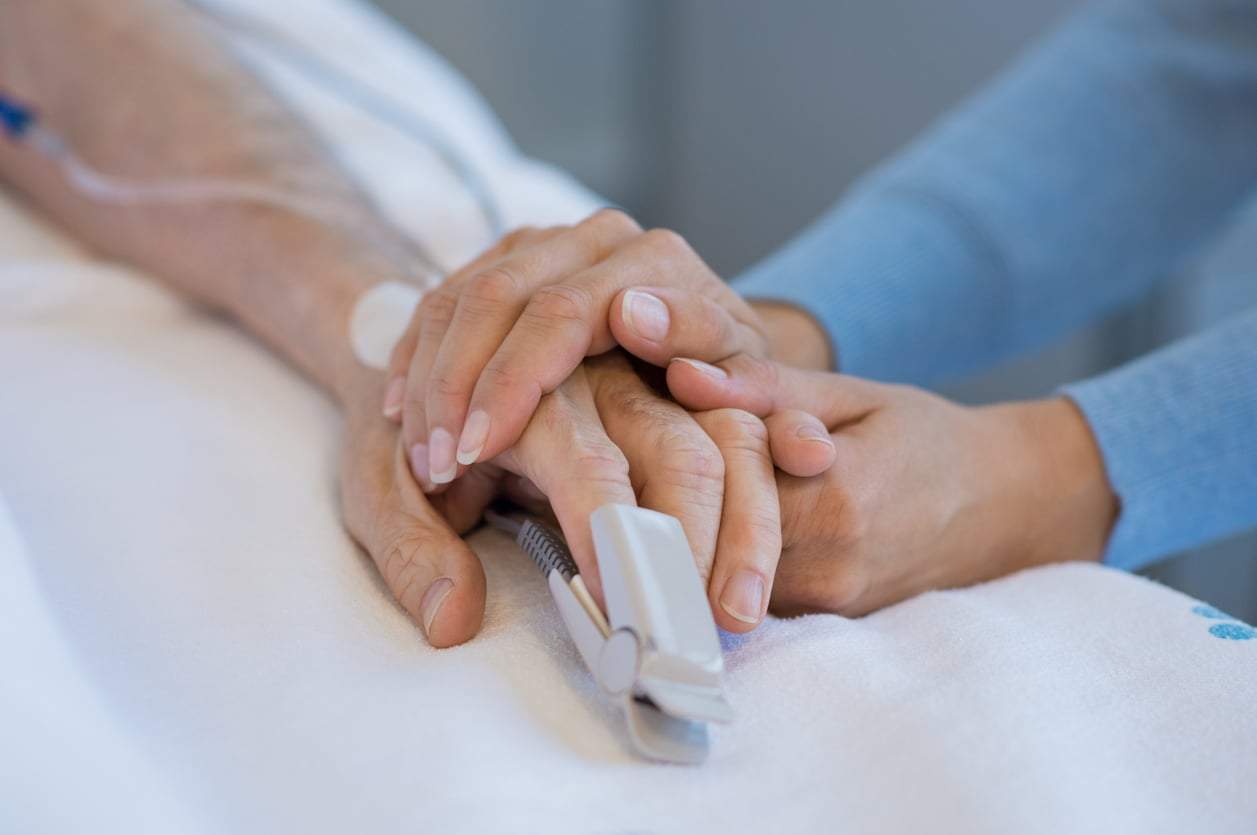
When the doctor said the word "advanced," I knew we were talking years, not months. And somewhere during one of those nights, sitting in the corner of a hospital room while she slept to the hum of machines, I let myself think — for the first time — what it would feel like when it was over.
A difficult woman, remembered honestly
My mother was a hard person to love. Even at the funeral, relatives only allowed themselves to say it in half-sentences. She loved me — but in a way that left marks. I remember a Sunday afternoon when I was sixteen, introducing her to my first boyfriend. She looked him over and said, right in front of him, that she hoped I wasn't taking this relationship seriously. He left a few weeks later.
My childhood was built from moments like that — small, precise stabs, after each of which I was somehow supposed to say thank you for caring about me.
When caregiving became love and burden at once
When she got sick, I told myself this was finally my chance — to be good to her, to prove I deserved her love. I bought her soft pajamas. I baked things she barely touched. I read to her in the evenings, even though hearing my own voice performing tenderness for her made my skin crawl.
And all the while, I hated myself more with every small crisis, because part of me was quietly calculating whether this one might finally be the end.
Before she died, I was already dreaming of freedom
On her last night, standing in that hospital corridor, I wasn't rehearsing grief. I was trying to convince myself I was allowed to feel free.
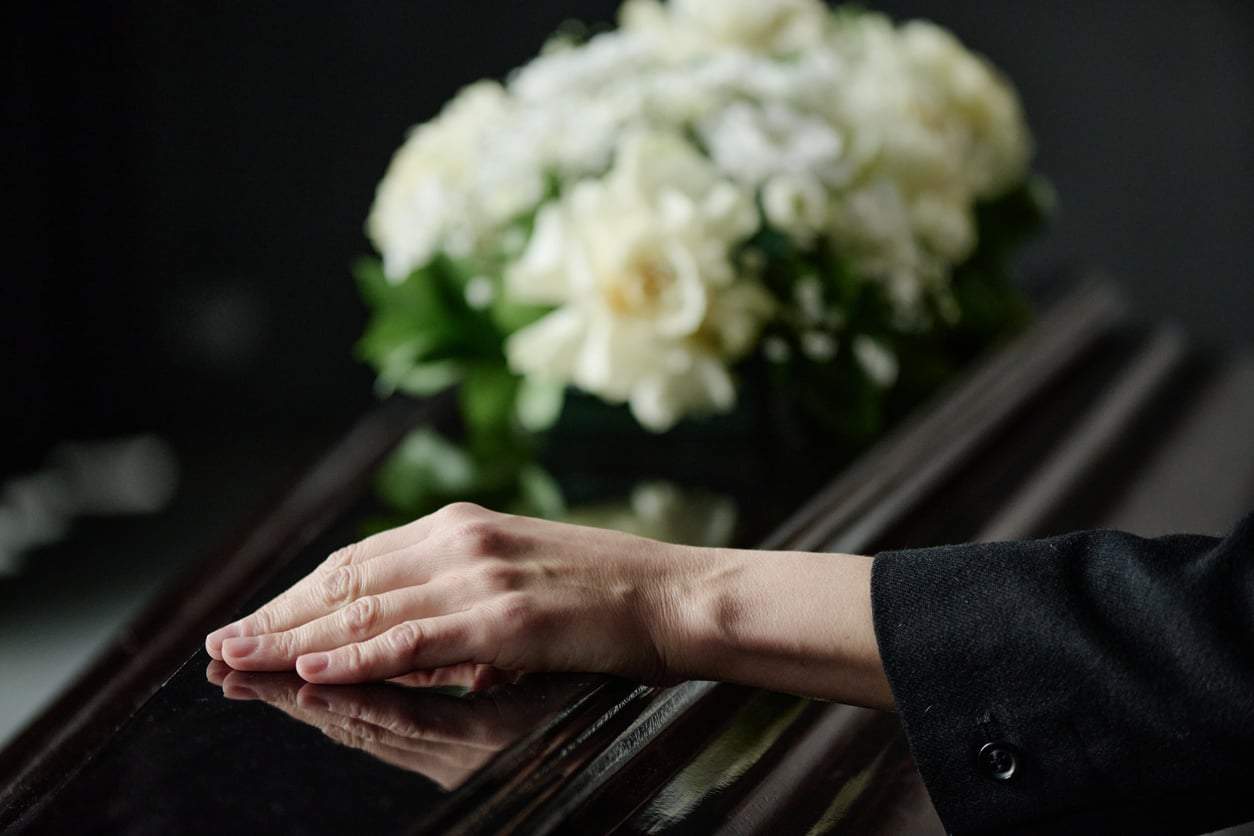
The day of the funeral it rained — I know, it's almost too on-the-nose, but it really did. Standing at the graveside, I caught myself thinking: I don't have to go back there on Sundays anymore. I don't have to hear her tell me what I'm doing wrong with my clothes, my life, my choices. That thought frightened me so badly that I felt physically sick — and people assumed it was grief. It was shame.
Relief doesn't mean you didn't love them
Weeks later, I finally sat down with a therapist — only because my sister was worried I wasn't crying enough. I told her about the relief. I braced myself to be judged. Instead she said, quietly, that this is very common among people who spent years caring for a difficult parent. I don't know if that made me feel better, or if it just helped to know I wasn't the only monster in the world.
If you've ever cared for someone who hurt you while you loved them, you may recognize this feeling — that strange, shameful exhale when it's finally over.
A year later, it still hurts and it's still easier
A year has passed now. Sometimes I see a dress in a shop window that she would have liked, and I reach for my phone before I remember there's no one to call — and that hurts. Other times I wake up in the night and feel a wash of relief knowing I don't have to drive over in the morning. Both of those things live inside me at the same time, side by side, and I still don't know which one is the true measure of who I am.
My therapist says the guilt will ease with time. She's probably right. I'm just not there yet.
Is it normal to feel relieved after a parent's death?
Yes. Therapists widely recognize that relief after losing a difficult or long-ailing parent is a natural grief response — not a sign of a lack of love. It is especially common among people who spent years as caregivers.
Why do people feel guilty for not crying after a death?
Grief doesn't follow a single script. Numbness, shock, or even relief can all be early responses to loss. Feeling guilty for not crying is common, but it doesn't mean the love wasn't real — it often means the relationship was complicated.
Does the guilt from caregiver grief ever go away?
According to therapists, the intensity of guilt felt after a complicated bereavement does tend to ease over time, especially with professional support. Processing both the loss and the relationship honestly is usually part of that journey.
What is "complicated grief" and could this be it?
Complicated grief involves conflicting emotions — love, relief, resentment, sadness — that don't fit neatly into the expected stages of mourning. It's particularly common when the relationship with the deceased was difficult or when the survivor was also the primary caregiver.