There comes a moment when you stop making excuses and finally decide to change. For me, that moment arrived when I realized my weight wasn't just affecting how I looked — it was affecting how I lived. Joint pain, constant fatigue, shortness of breath after climbing a flight of stairs. I knew something had to give.
What I didn't expect was that the answer wouldn't come from a stricter diet or a more punishing workout plan. It came from building habits I could actually stick to — for good.
The biggest obstacle wasn't physical
When I started this journey, I weighed 78 kilograms. My goal was to reach 58 kg — a target that felt almost impossibly far away. But the hardest part wasn't the number on the scale. It was the fear of failing again.
I had tried it all before. The "only an apple after 6 pm" rule. The strict no-eating-after-6 policy. I drank three liters of water a day and exercised regularly. And yet, nothing lasted. Every approach gave me short-term results that crumbled the moment real life got in the way.
The problem wasn't my willpower. The problem was that I kept choosing methods that were impossible to maintain long-term.
The turning point: asking for help
The real shift came when I finally sought expert guidance. My nutritionist suggested starting with a structured protein shake protocol — replacing breakfast and dinner with shakes during the initial phase. The first two days were brutal. No solid food, just five shakes spread throughout the day.
But from day three onward, the routine became manageable: shakes in the morning and evening, with a freely chosen lunch in between. It wasn't glamorous, but it worked. Over five weeks, I lost 7.5 kilograms.
More importantly, it taught me something I hadn't understood before: consistency matters more than perfection. I didn't need a flawless diet. I needed one I could actually follow.
Why the 16:8 method changed everything
After the initial phase, I transitioned to a long-term plan built around 16:8 intermittent fasting — 16 hours of fasting followed by an 8-hour eating window. No calorie counting, no obsessive food tracking.
This approach felt like freedom. I stopped thinking about food constantly. My cravings reduced naturally. My energy levels stabilized. And because I wasn't fighting rigid rules all day, I stopped feeling like I was "on a diet" at all.
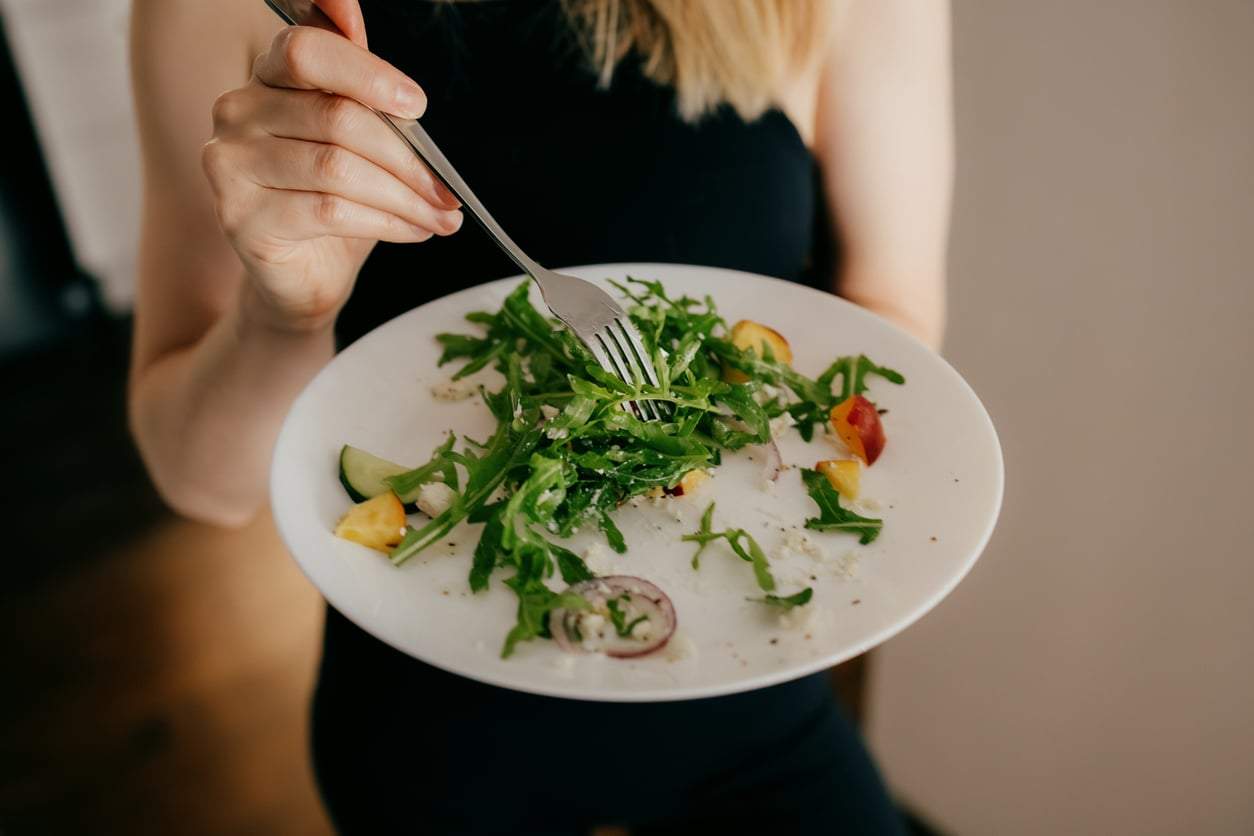
Within that eating window, I focused on balance: protein and healthy fats took center stage, with carbohydrates present but not dominating every meal. It wasn't about cutting things out — it was about getting the proportions right.
Movement that I actually enjoyed
Exercise was never going to work for me if it felt like punishment. So I kept it simple and consistent: 30 minutes of running followed by 30 minutes of weight training and bodyweight exercises each day.
Online workout videos kept me motivated and gave me structure without needing a gym membership. Gradually, what had felt exhausting became something I looked forward to.
The benefits went far beyond the scale. Regular movement reduced my stress levels, improved my sleep quality, and helped me build muscle while losing fat. The key was never pushing to the point of burnout — slow, steady progress is the only kind that lasts.
The mental shift nobody talks about
As the weight came off, something unexpected happened inside me. My confidence grew — not just because I liked what I saw in the mirror, but because I had proved something to myself. I had set a goal, stayed the course, and actually reached it.
I learned that it's not the method that makes the difference. It's the emotional commitment behind it. When I stopped treating this as a temporary fix and started treating it as a permanent change in how I live, everything became easier. The obstacles didn't disappear — I just stopped letting them stop me.
The result — and what it really means
After one year, I went from 78 kg down to 60 kg. I didn't quite hit my original 58 kg target, but I reached something better: a weight that feels natural, sustainable, and genuinely mine.
The physical transformation was real. But the mental one was bigger. I think more clearly. I handle stress better. I feel comfortable in my own body in a way I hadn't in years.
What I know now — and wish I had understood sooner — is that lasting weight loss isn't a temporary project. It's a long-term commitment to yourself. Not to perfection, not to extremes, but to small, consistent habits that compound over time.
If you're at the beginning of that journey, start there. Not with the most aggressive plan, but with the most honest one.