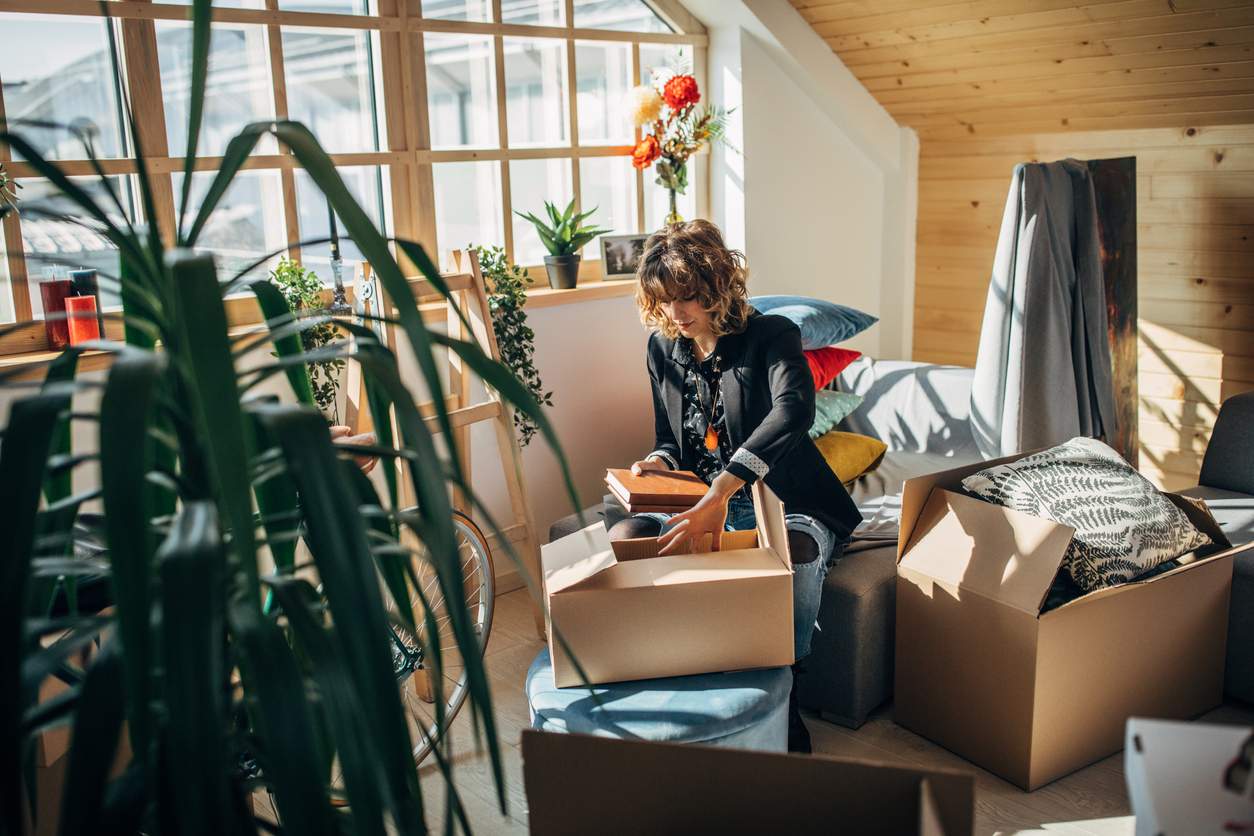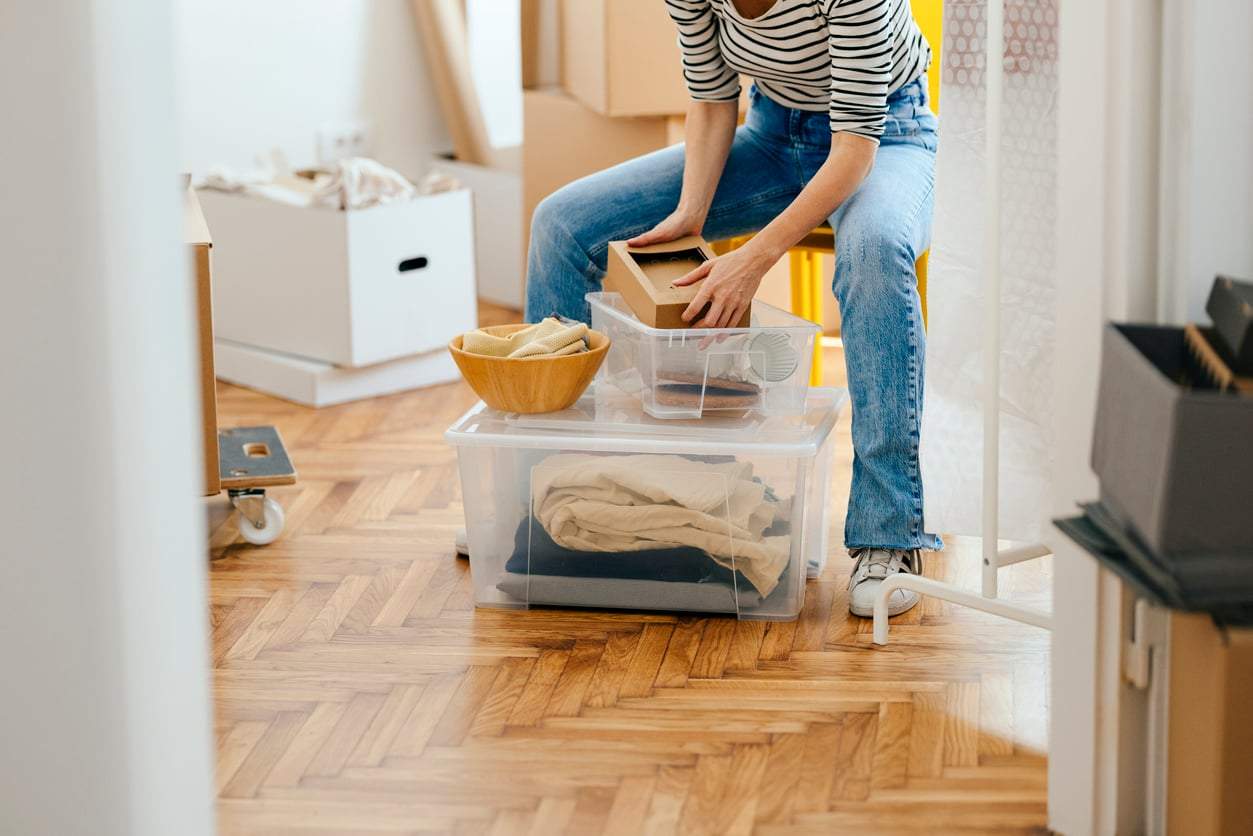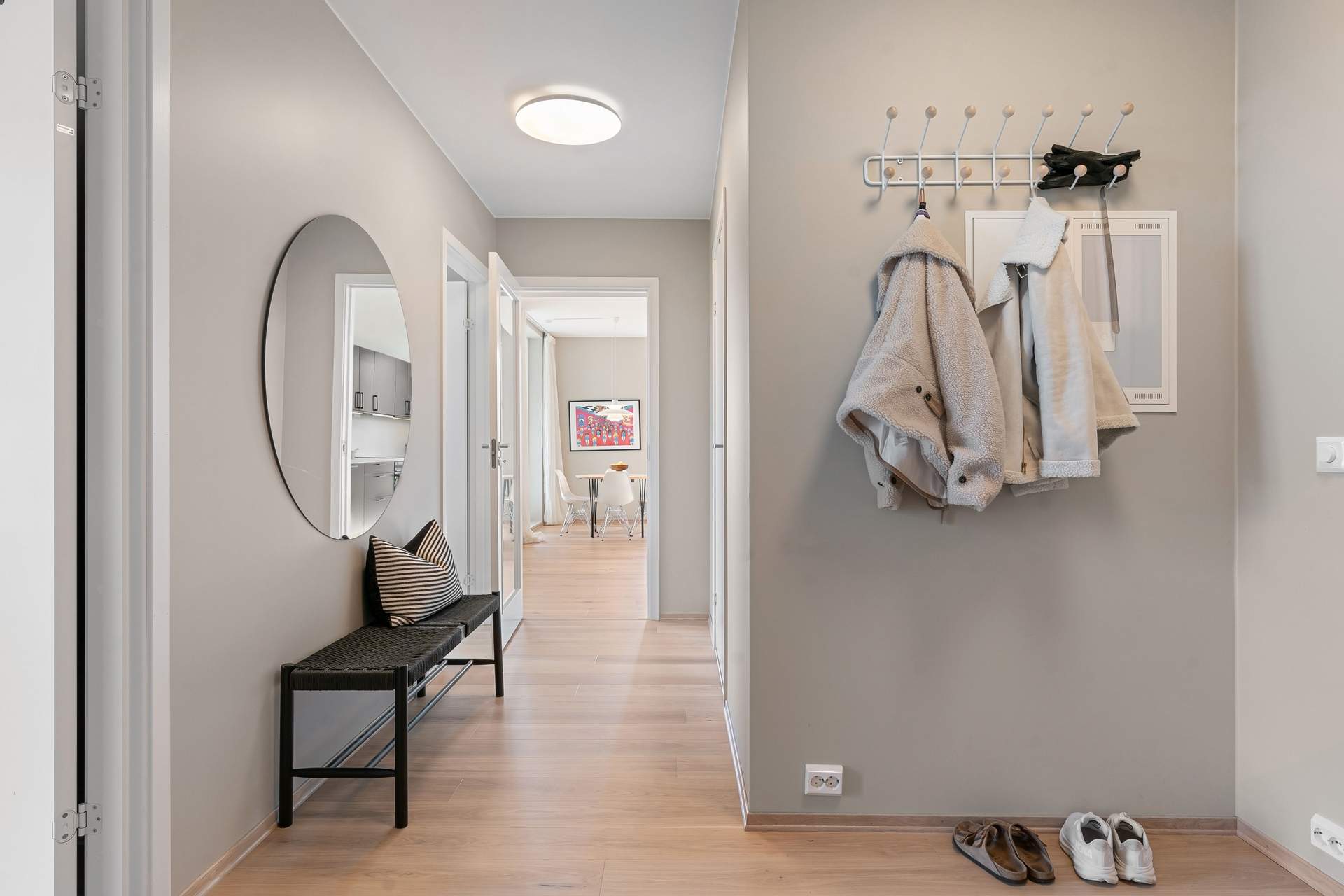
I already considered myself a fairly tidy person. So when I decided to try the KonMari method, I wasn't expecting any major revelations — just a few practical tricks to keep the drawers under control. What I got instead surprised me. A month later, my home was noticeably calmer, but more than that, I understood my own habits in a way I hadn't before.
There were always a few problem spots. Drawers that slowly filled up again. Clothes that disappeared into the back of the wardrobe. Things I'd been keeping for years without being quite sure why.
I wanted to find out what a method built around conscious choosing — not just tidying — could actually teach me.
Working by category, not by room
The KonMari method was created by Japanese organizing consultant Marie Kondo, who became known worldwide for shifting the question from "what should I throw away?" to "what do I genuinely want to keep?"
One of its core principles is that you don't work room by room — you work category by category. Clothes first, then books, then paperwork, then miscellaneous items (called komono), and finally sentimental objects.
Going through every item in a category all at once makes patterns obvious immediately. You can see exactly where things have piled up and what's been staying purely out of habit. For me, the clothes category made that very clear, very quickly.
What do I actually want to keep?
The most well-known element of the KonMari approach is the concept of tokimeku — roughly translated as "spark joy." The idea is to keep the things that genuinely make you happy, and let go of anything that no longer plays a real role in your life.
I used this more as a guiding question than a rigid rule. For each item, I asked myself: do I actually use this? Do I like it? Does it still belong in my life?
With clothes, the results were eye-opening. I found a surprisingly large number of things I hadn't worn in years — pieces I felt guilty getting rid of, or kept telling myself I'd wear "someday." In the end, I let go of far more than I expected, and I haven't missed a single thing.
If you've ever stared at a full wardrobe and felt like you had nothing to wear, the issue is rarely a shortage of clothes — it's clarity about what you actually love wearing.
The folding method that actually changed my drawers
KonMari also has a specific approach to folding: clothes are folded into small, self-standing rectangles and stored vertically, side by side, rather than stacked on top of each other.
I'd always been a stacker. Which meant that whenever I needed something near the bottom, I had to dig through everything above it and then repack the whole thing.
Switching to vertical storage made an immediate difference. I can see everything at a glance, and putting laundry away is genuinely faster now. It didn't require perfect execution — just a shift in approach.
The goal was never perfection
I didn't take on this experiment aiming for an immaculate, magazine-ready home. I just wanted to feel more comfortable in my own space.
By the end of the month, the apartment felt noticeably cleaner and more open. Several everyday tasks got easier, too.
I pick out clothes more easily, putting things away takes less time, and there are fewer objects sitting around making me feel like I should do something about them.
The "might be useful someday" trap
The thought that kept surfacing as I sorted through everything: I might wear this someday. I might need this someday. I'll get it repaired someday.
Some things genuinely are worth keeping. Not everything needs to go. But I noticed that I was often holding onto things not because I truly needed them, but simply because letting go felt hard.
And when that's the reason, it's not really about the object anymore.
I got more than a tidier home
Going through everything made me notice more than just what I use and what I don't. I realized how much I hold onto things simply because they belong to an earlier chapter of my life — or because I've grown so used to their presence that I stopped questioning it. That might be why I learned more about myself than I anticipated.
My home isn't perfect. It wasn't meant to be. It's just easier to move through, easier to find things in, and — somehow — it feels better to come back to.
What I appreciated most about the KonMari method in the end wasn't a tidier wardrobe. It was this: it taught me to pay more attention to what I actually want to make space for in my life.
Is the KonMari method right for everyone?
Not necessarily — and it doesn't need to be. You can take the elements that resonate with you (like category-based sorting or vertical folding) and leave the rest. It's a framework, not a prescription.
Do you have to do it all at once?
Marie Kondo recommends completing the process in one intensive period rather than bit by bit, to avoid losing momentum. That said, spreading it over a month — as I did — still produced real results. Start with whatever category feels most manageable.
What if letting go feels genuinely difficult?
That difficulty is worth paying attention to. As the article explores, sometimes the resistance isn't really about the object itself — it's about what it represents. Noticing that pattern is itself part of the process.
Does the tidiness actually last?
The method works best when you've genuinely decided what belongs in your space, rather than just moved things around. When you're surrounded by things you've consciously chosen to keep, maintaining order takes far less effort.