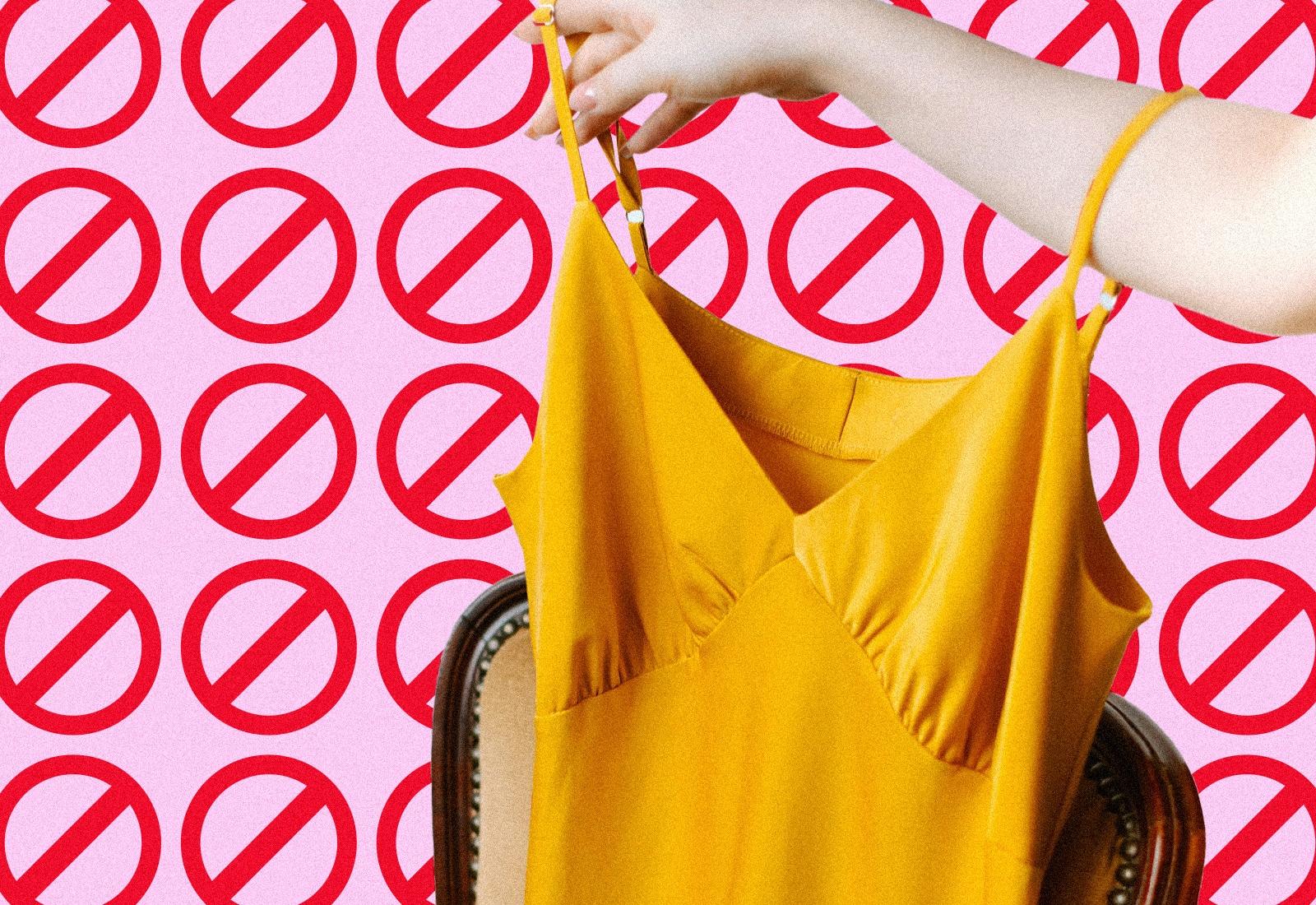
But what if I told you there was a time when it wasn’t books or political slogans that were banned, but colors? History is full of eras when those in power took very seriously what you could wear—and what you couldn’t. And it wasn’t just about uniforms or harsh stigmas like the infamous yellow star, but everyday colors. Why? Because colors hold power. The right shade can signal status, wealth, political allegiance, or even rebellion—and rulers throughout history knew this all too well.
Purple Was Reserved for the Emperor
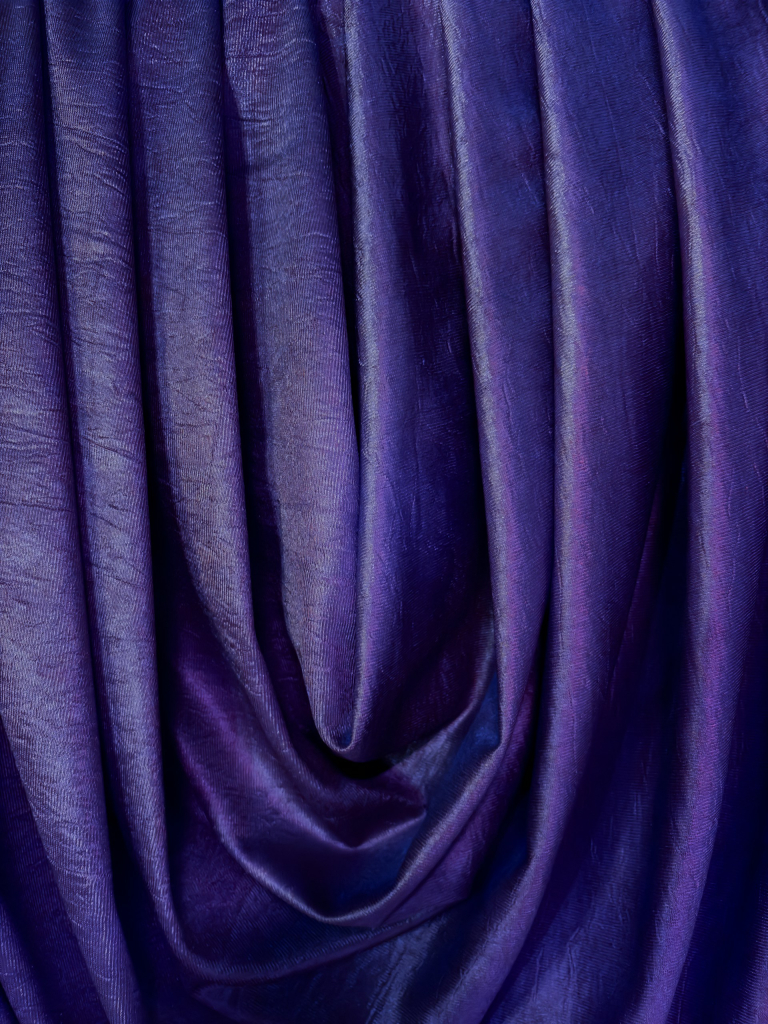
Did you know that in ancient Rome, wearing purple was literally a crime punishable by death—unless you were the emperor? The color known as Tyrian purple came from a sea snail and was insanely expensive and, well, pretty stinky. But no one minded; in fact, the smell became a mark of privilege. Purple became so exclusive that laws banned everyone except the ruler from wearing it.
In this light, Emperor Caligula executed anyone caught wearing even a hint of purple. The purple craze went so far that in the Byzantine Empire, rulers called themselves "born in purple." Why? Because the palace had a purple birthing room where future heirs were born—marking them as "born into color" for life.
Imperial Yellow in China
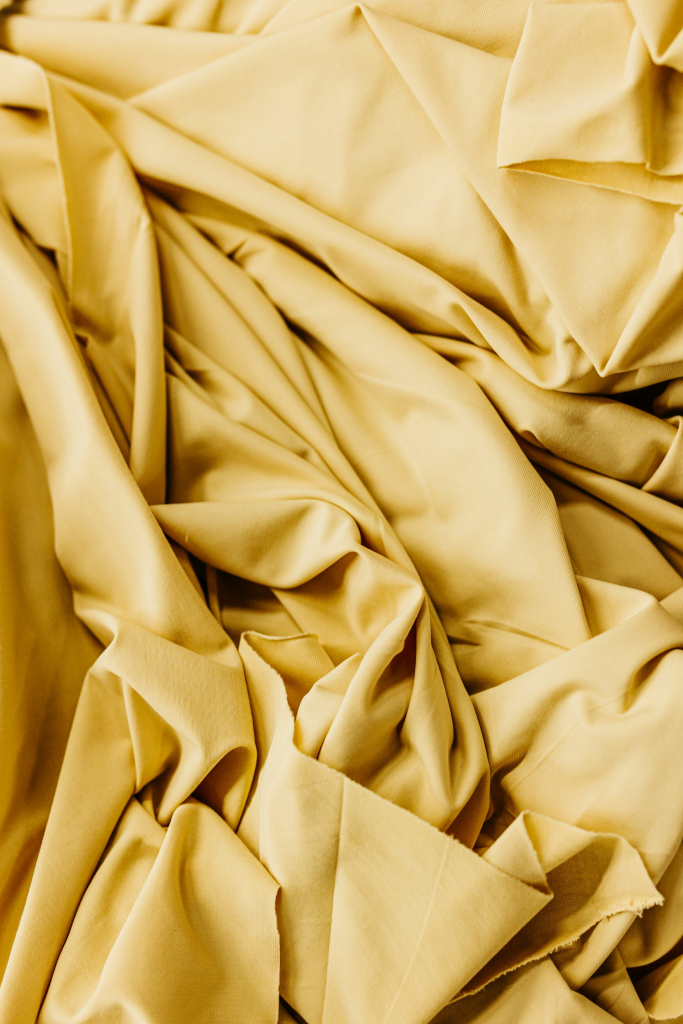
If you think of yellow as a cheerful, sunny, friendly color, think again—during China’s Qing dynasty, yellow was a sacred color. Under their rule, golden yellow symbolized heaven and, of course, the emperor himself. Only the emperor could wear expensive clothes embroidered in yellow, and anyone else caught trying to dress in yellow silk was swiftly removed from circulation—not very discreetly.
Palace guards even received special training to spot those who were "too yellow." Religious leaders could wear yellow only with special permission—and only during temple service. Yellow was so tightly controlled that even architecture reflected its status: yellow roof tiles were reserved exclusively for imperial buildings.
Queen Elizabeth Knew the Power of Color Coordination
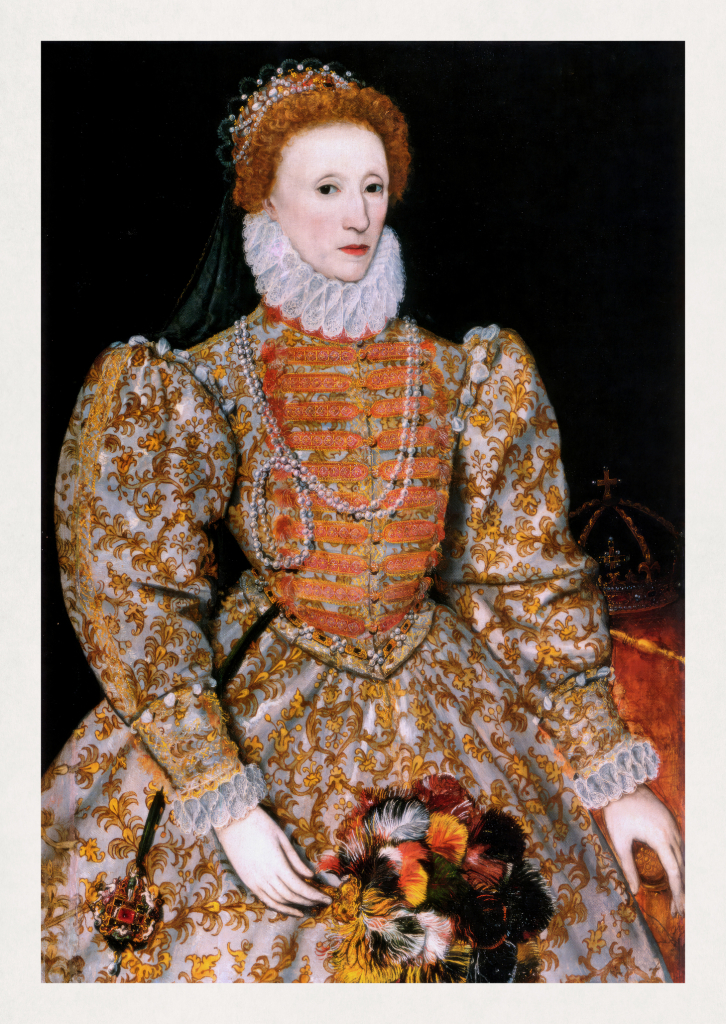
You know that awkward feeling when you walk into a party and someone’s wearing the exact same outfit as you? Now imagine that in 16th-century England—with the difference that a fashion faux pas could land you in jail.
During Elizabeth’s reign, not just the cut but the color of clothing was strictly regulated. Crimson, for example, was reserved for the royal family and a few privileged nobles—and this rule was taken very seriously. They even legislated the number of buttons you could wear, based on rank. Wealthy merchants couldn’t just dive into any fabric color they liked; one wrong shade could spark accusations of treason. Queen Elizabeth herself loved crimson, often seen wearing it in royal portraits. Crimson became a true status symbol: "Wear this, and you are the state"—or at least its representative.
Where Rainbow Colors Still Can’t Shine Freely
In the Soviet Union, the state restricted not only opinions and freedom of movement but also self-expression. "Western-style fashion"—especially neon shades—was seen as decadent, individualistic, and opposed to socialist ideals. While there was no official ban, state-run clothing factories didn’t produce garments in these colors, and the media promoted gray, practical looks.
Those who dressed in Western styles risked surveillance, interrogation, school expulsion, or job penalties. Still, rebellious youth in the 1950s and ’60s wore bright clothes and bold ties, defying uniformity. Authorities cracked down hard: arrests, public shaming, and re-education awaited them. But for these young people, colors meant more than fashion—they symbolized freedom and independence. And the state understood that perfectly well.