Opinion piece by Barbara Lee
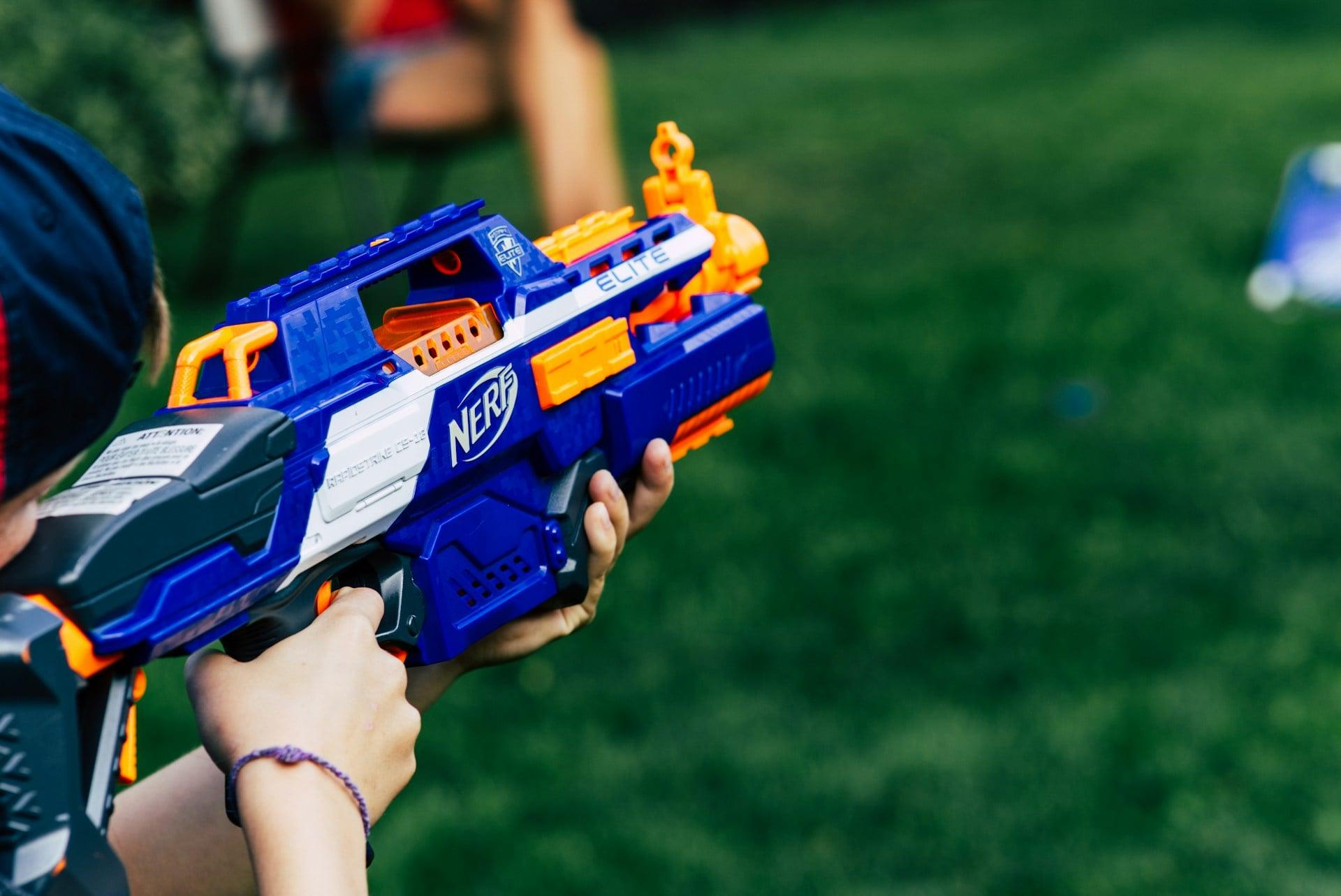
My daughter is a deeply sensitive soul. She's never been that interested in dolls — animals and nature are more her thing. So the question that makes so many parents break into a cold sweat — should kids be allowed to play with toy guns? — never really came up in our house. Until recently. Suddenly I'm seeing plastic pistols everywhere: in the hands of classmates, playground friends, cousins. They've hit that age. And honestly? When I see a child holding even a toy gun, I feel something complicated stir inside me. Is this kind of play actually good for them?
For a long time, my gut reaction was a firm no. A gun is a gun, even if it's made of plastic. I didn't want "shooting someone" to be part of play — even knowing that children attach a very different meaning to it than adults do. Maybe kids don't fully understand death yet, but I didn't see the point in making it feel even lighter than it already does to them.
Then I started paying closer attention to how children actually play. Not just my own — other kids too. In the backyard, at nursery, at family gatherings. And what I noticed was this: "weapon play" almost never has anything to do with real violence. It's storytelling. Heroes and villains, cops and robbers, adventures, rescues, narrow escapes. A narrative in which children test boundaries, try on roles, and explore what power and consequence feel like.
There's a real difference between a plastic sword that's part of an imaginary story and a game where the entire point is destruction or eliminating the other person.
That didn't turn me into an enthusiastic fan of toy weapons overnight. But it made the picture more nuanced. I started to realize that the question isn't really "should I allow this?" — it's "how is it showing up?"
Context is everything
What I eventually settled on wasn't a blanket yes or no. It was more of a framework. The object itself isn't the deciding factor — the context is. If a child is building a story around it, playing roles, laughing, creating, cooperating with others, then this kind of play can be just as developmentally valuable as anything else. It helps process tension, rehearse situations, and explore what strength and responsibility actually mean.
What matters most is being present. Not micromanaging the play, but staying aware of what's happening in it. Noticing if things start to tip — if it gets too aggressive, if there are no limits, if one child is always stuck in the "loser" role. But even then, I don't think taking the toy away is the answer. Talking about what's happening, and why, is.
The other thing I keep coming back to is the example we set. Children don't learn how to relate to violence from their toys. They learn it from us — from how we handle conflict, how we talk about other people, how we react when things get tense.
A toy gun won't make a child aggressive on its own. But the environment in which it's used absolutely matters.
In the end, this isn't a black-and-white issue for me. You can say no to one specific toy and yes to another. You can set boundaries while still leaving room for imagination. And maybe that's the hardest part: it's not one single decision. It's an ongoing process of watching, adjusting, and staying curious about what your child is actually exploring.
Because the goal was never to eliminate every risk. It's to help children learn to navigate a world full of challenges and choices. And in that process, play — even weapon play — can be a meaningful tool, as long as it's held in the right hands.