Many of us are familiar with the situation when our lower leg constantly feels tight, itchy, and even the gentlest touch causes dead skin cells to line the inside of our pants. As winter approaches, this can become a more serious problem due to the dry air in heated rooms and clothing that rubs against our skin. But what causes this condition, and what can we do to prevent it?
Causes of dry lower leg skin
The health of our skin depends on many factors, ranging from environmental influences to lifestyle habits. Cold weather is also a significant factor that makes maintaining skin hydration extremely difficult. Low temperatures are well known to cause increased moisture loss because the skin's protective layer is more prone to drying out under these conditions.
Additionally, the negative impact of environmental pollution cannot be overstated, as pollutants in the air can penetrate the layers of the skin, further weakening its protective function. Prolonged exposure of the skin to these elements can accelerate moisture loss and become a source of serious health problems if not addressed in time.
Lifestyle habits that dry out the skin
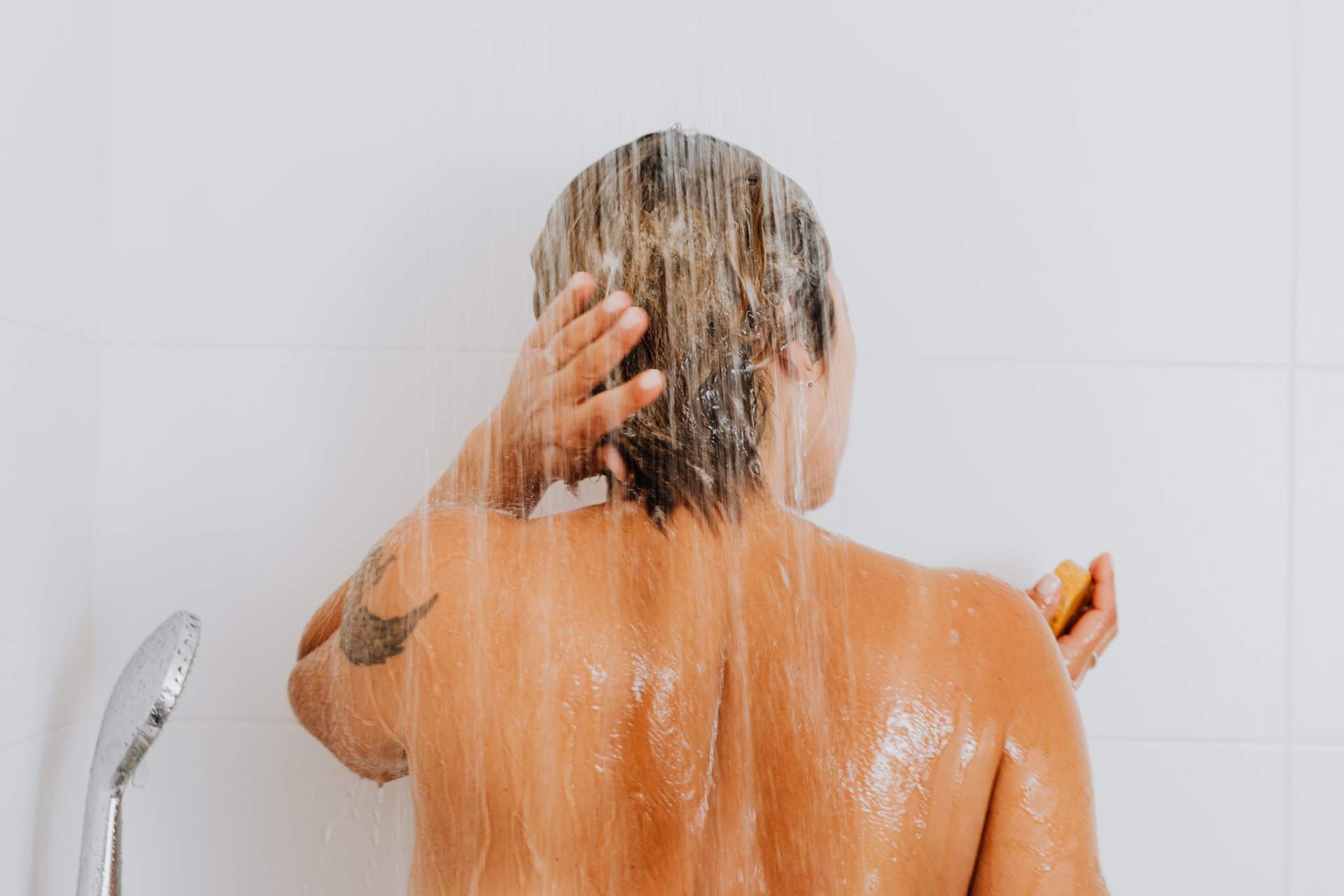
Many everyday activities can contribute to the drying out of our lower leg skin. One of the quickest routes to dry skin is long, hot showers and baths, which, although pleasant in the short term, remove the skin's natural oils over time, promoting dryness.
We must not forget the importance of nutrition either, as a proper diet is essential for maintaining skin hydration. Foods rich in omega-3 fatty acids, such as salmon, along with adequate water intake, all contribute to preserving skin health.
How to choose the right skincare products?
If we want to be sure, when selecting products for skin hydration, it is worth opting for hypoallergenic and fragrance-free products.
Ointments that have low water content but are rich in oils often provide more effective protection for the skin, as the oil layer can maintain moisture for a longer time.
Additionally, get to know natural ingredients such as shea butter or aloe vera, which are well known for their excellent moisturizing properties. Such products can help renew the texture and tone of the skin, especially in areas like the lower leg, where the skin is particularly prone to dryness.
Tips and tricks for moisturizing the lower leg
It is worth incorporating regular but not overly harsh exfoliation into our skincare routine, which removes dead skin cells and promotes the appearance of new skin layers, thus supporting hydration. However, be careful not to overdo it, as excessive exfoliation can also lead to skin damage.
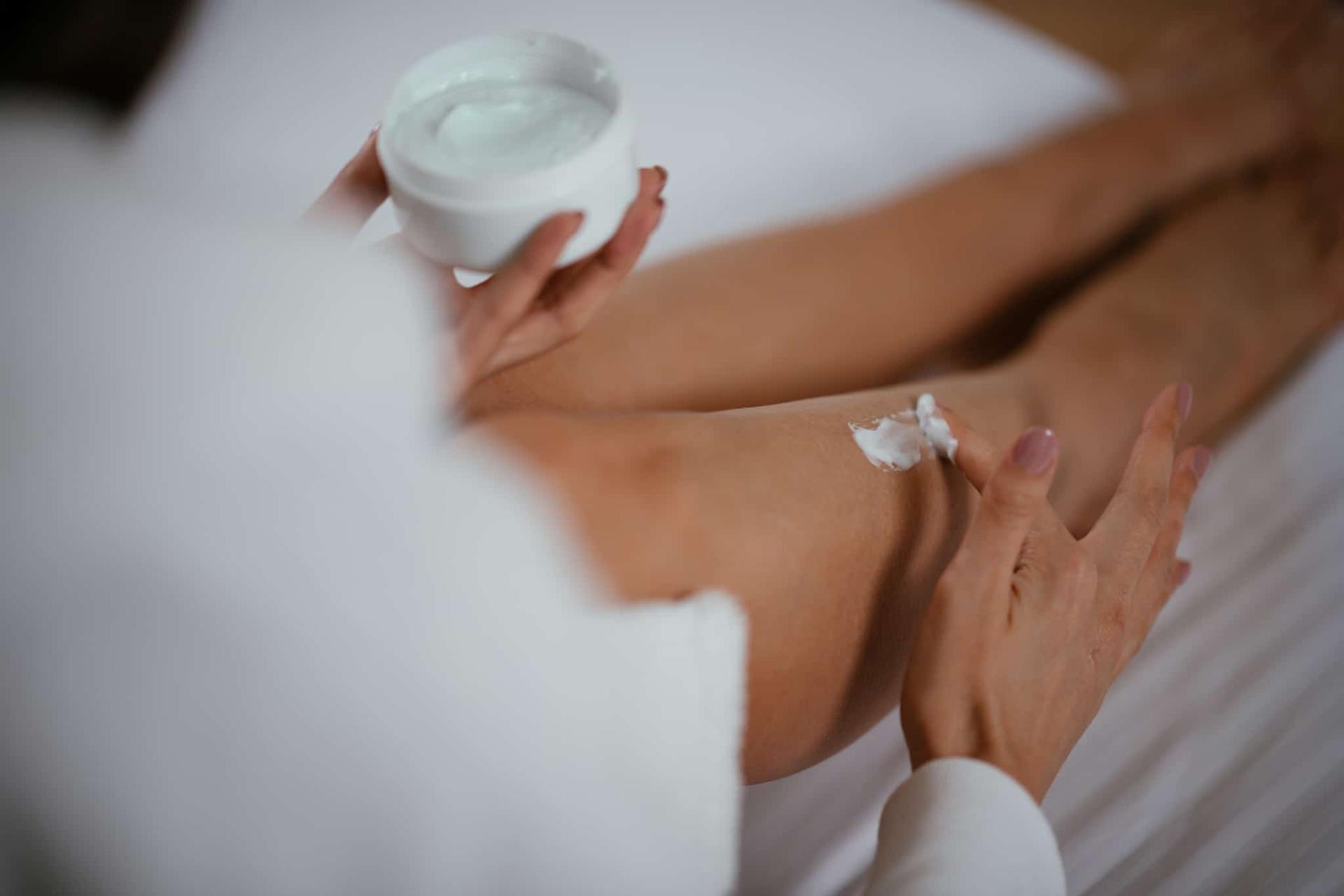
Moisturizing the skin twice daily – especially immediately after showering when the skin is still slightly damp – is essential for maximum effect, as it helps to "lock in" moisture. To maintain our health, it is also necessary to continuously hydrate our body from the inside by drinking at least 2 liters of water daily.
What to do if skin problems do not improve?
If, despite trying every possible solution against dry lower leg skin, we do not see improvement, it is advisable to consult a specialist.
During a dermatological consultation, it may turn out that the dryness is caused by an underlying condition, such as atopic dermatitis or psoriasis, which require special treatment.
Sometimes the problem is less severe and can be solved more by changing our lifestyle habits. By giving up a glass of wine enjoyed for pleasure or one to two coffees a day, we can achieve noticeable results if we replace them with drinking water or green tea.
In summary, proper understanding of the causes and applying effective strategies against them are necessary to treat dry lower leg skin, thereby restoring our skin's hydration and health, which can become a fundamental part of our daily lives.