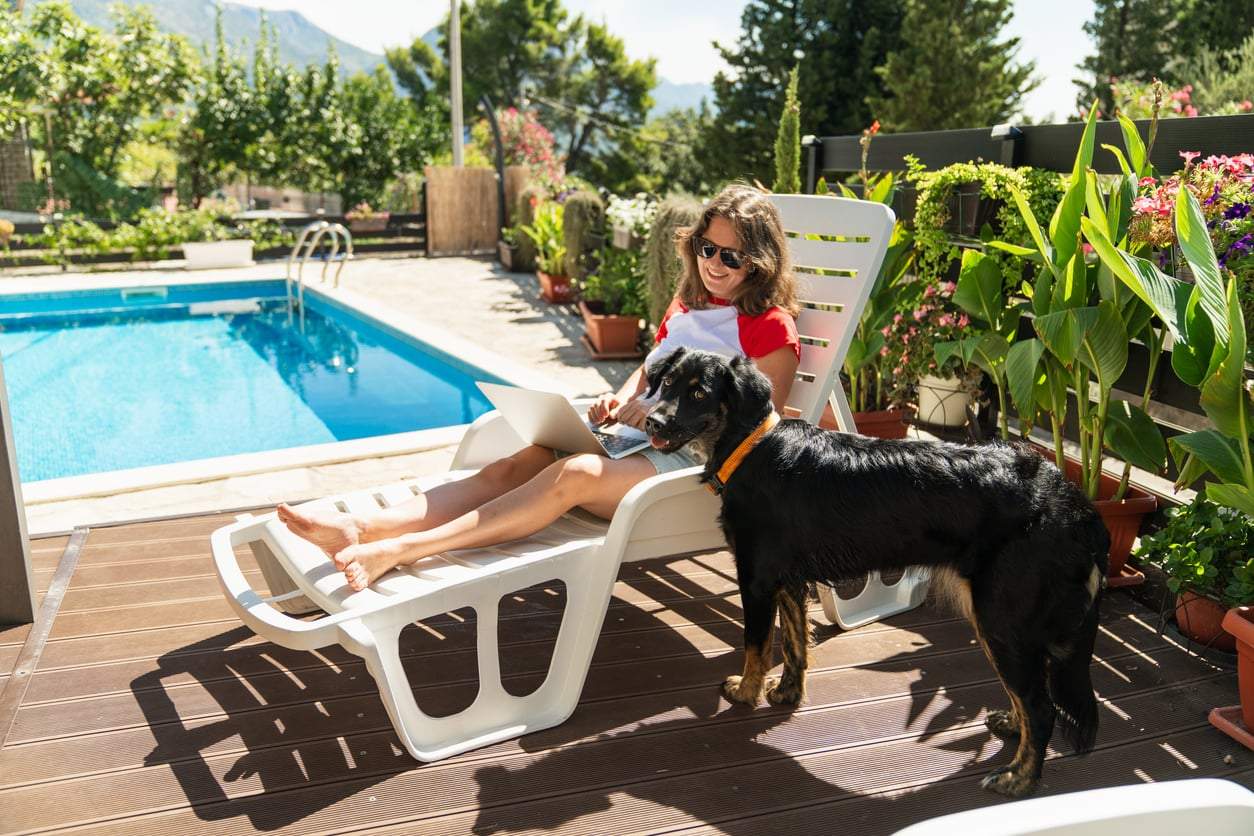
When the summer heat hits, your terrace can turn into an oven within hours. Instead of enjoying your morning coffee or an evening glass of wine outside, you end up retreating indoors to the air conditioning.
Here's the good news: you don't need an expensive cooling system to make that outdoor space livable again. A few simple, natural tricks can lower the temperature by several degrees — enough to make even the hottest afternoon comfortable. Here's exactly how to do it.
The right awnings and pergolas
Shade is the fastest way to take the edge off the heat. Awnings and pergolas aren't just stylish — they're genuinely functional, and they start working the moment you put them up.
The best options are adjustable structures, so you can move the shade to follow the sun throughout the day. Just make sure you choose a good-quality, UV-filtering fabric, which blocks the sun's harmful rays far more effectively than standard textiles.
Let plants do the shading
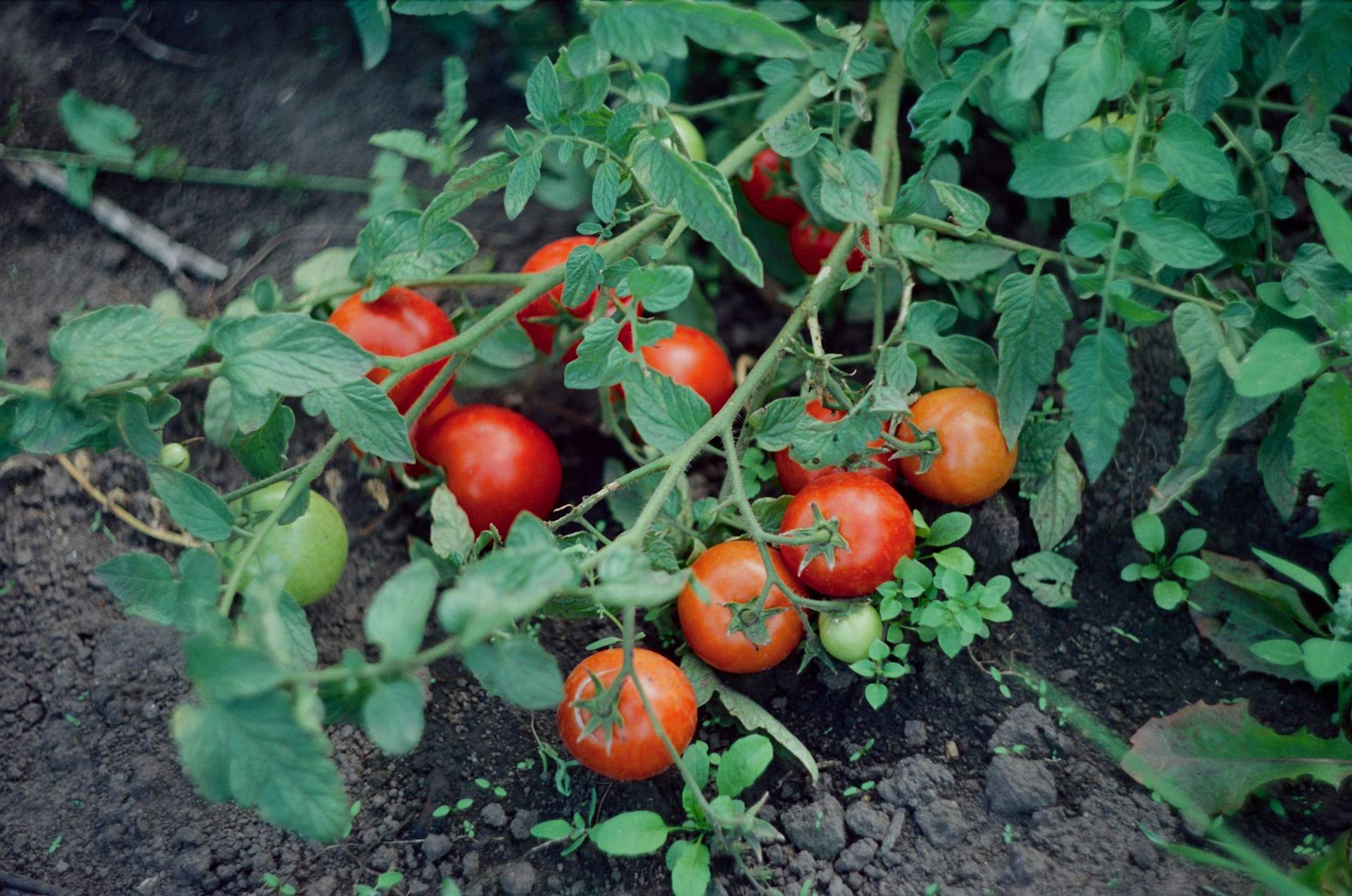
Adding greenery is one of the most natural and eco-friendly ways to cool a terrace. Certain plants are especially good at providing shade — climbing plants trained up a pergola, for example, create a living canopy over your seating area.
Trees deliver even more dramatic results. Their broad cover makes them one of the most effective natural cooling solutions you can rely on, and they only get better with each passing year.
Harness the power of evaporation
Water is the air's natural coolant. A small fountain or mini waterfall on your terrace isn't just a pretty feature — as the water evaporates, it can cool the surrounding air by roughly 2 to 3 degrees (about 4 to 5°F).
You can boost the effect with outdoor misting fans that hold a water reservoir. Positioned well, they keep the air moving and stop that stagnant, heavy heat from settling in.
If you want to lean fully into the outdoor-oasis look, it's worth thinking about how to make your terrace feel more welcoming and romantic at the same time.
Cool textile solutions
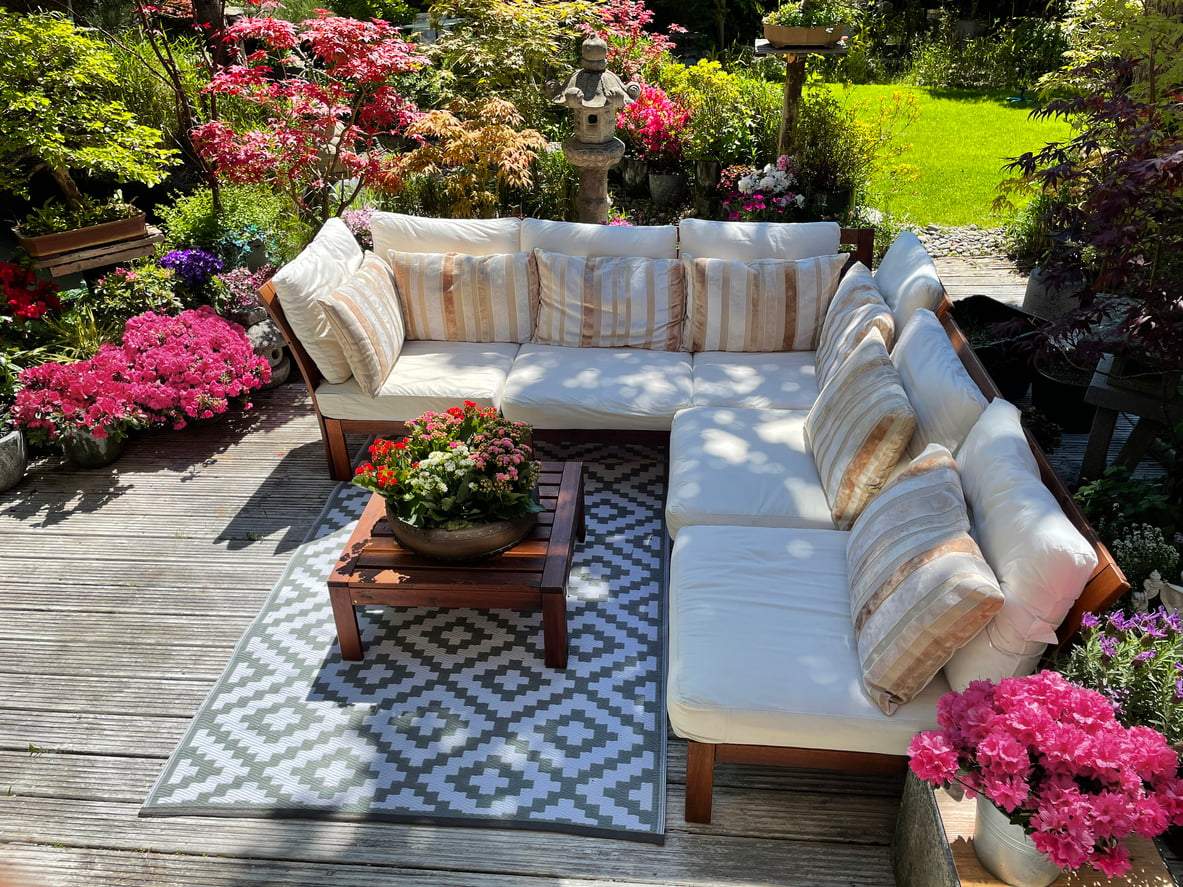
The right fabrics can transform the whole feel of an outdoor space. Cooling-fabric rugs and seat cushions make a surprisingly big difference to how hot the area feels underfoot and on the skin.
Stick to light colours, since they reflect sunlight instead of absorbing it — an easy way to keep the atmosphere fresher on scorching days.
The timeless favourite: a grapevine canopy
If you're after natural shade with real character, a grapevine canopy is one of the best choices around. Its dense summer foliage casts pleasant shade while still letting air flow through, so heat never gets trapped underneath.
Better still, it doesn't just make your garden nook cooler and cosier — by the end of the season it can reward you with actual fruit. A well-built vine canopy can serve as a beautiful, natural sunshade for decades.
Why your flooring matters
Choosing the right surface can also help bring the temperature down. Light-coloured or natural stone finishes absorb less heat than dark materials, adding one more layer to your overall cooling strategy.
The best part is that all these techniques work together. Combine a few of them — shade, plants, water and the right materials — and your terrace can become a genuine oasis all summer long, without a single expensive gadget.
How much can these tricks actually cool a terrace?
It depends on the method and how you combine them. A water feature alone can lower the surrounding air by around 2 to 3 degrees through evaporation, and pairing several techniques together makes the effect noticeably stronger.
What's the fastest way to cool a hot terrace?
Shade is the quickest fix. Awnings and pergolas start working the moment you put them up, especially adjustable ones with a good UV-filtering fabric.
Are plants really effective for cooling outdoor spaces?
Yes. Climbing plants on a pergola and trees are among the most effective natural cooling solutions, creating living shade that also lets air move through.
Why should I choose light-coloured materials?
Light colours reflect sunlight instead of absorbing it. That applies to both textiles like rugs and cushions and to flooring such as light or natural stone surfaces, which store less heat.