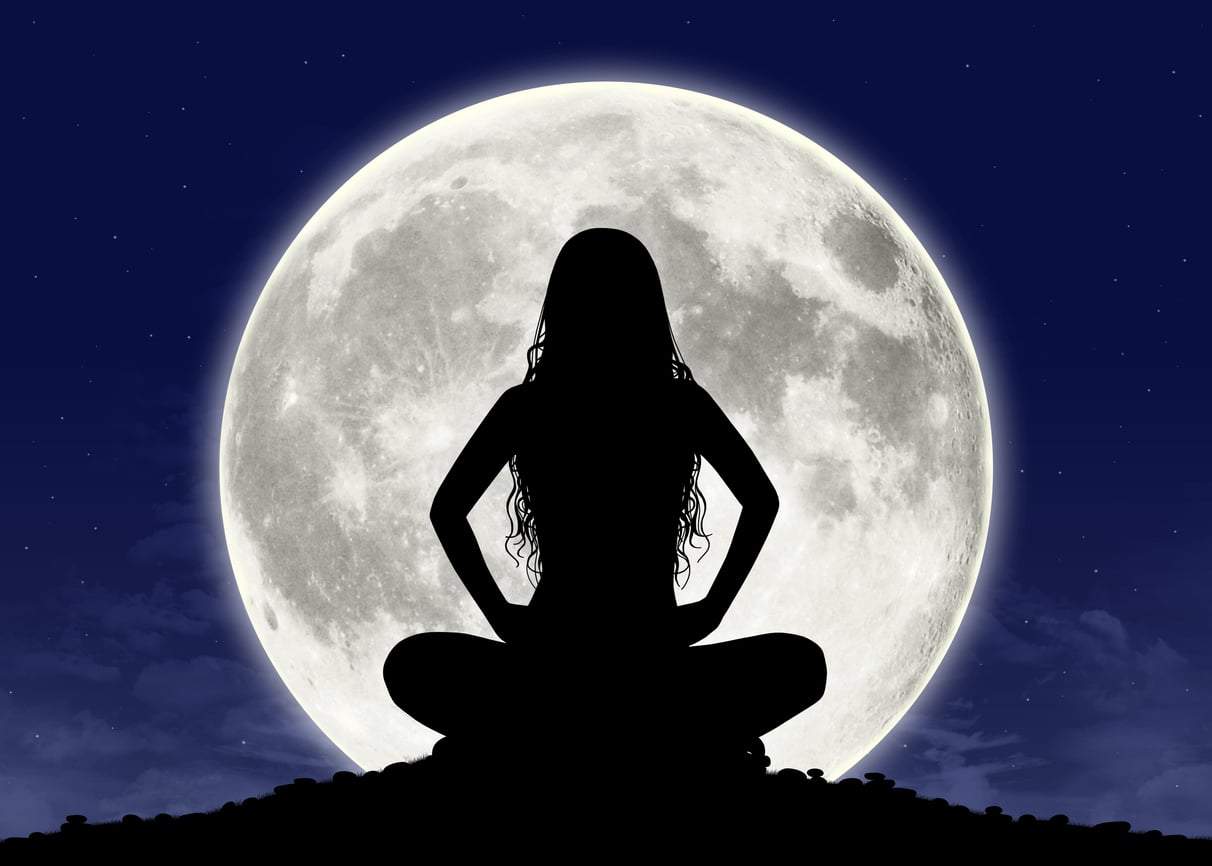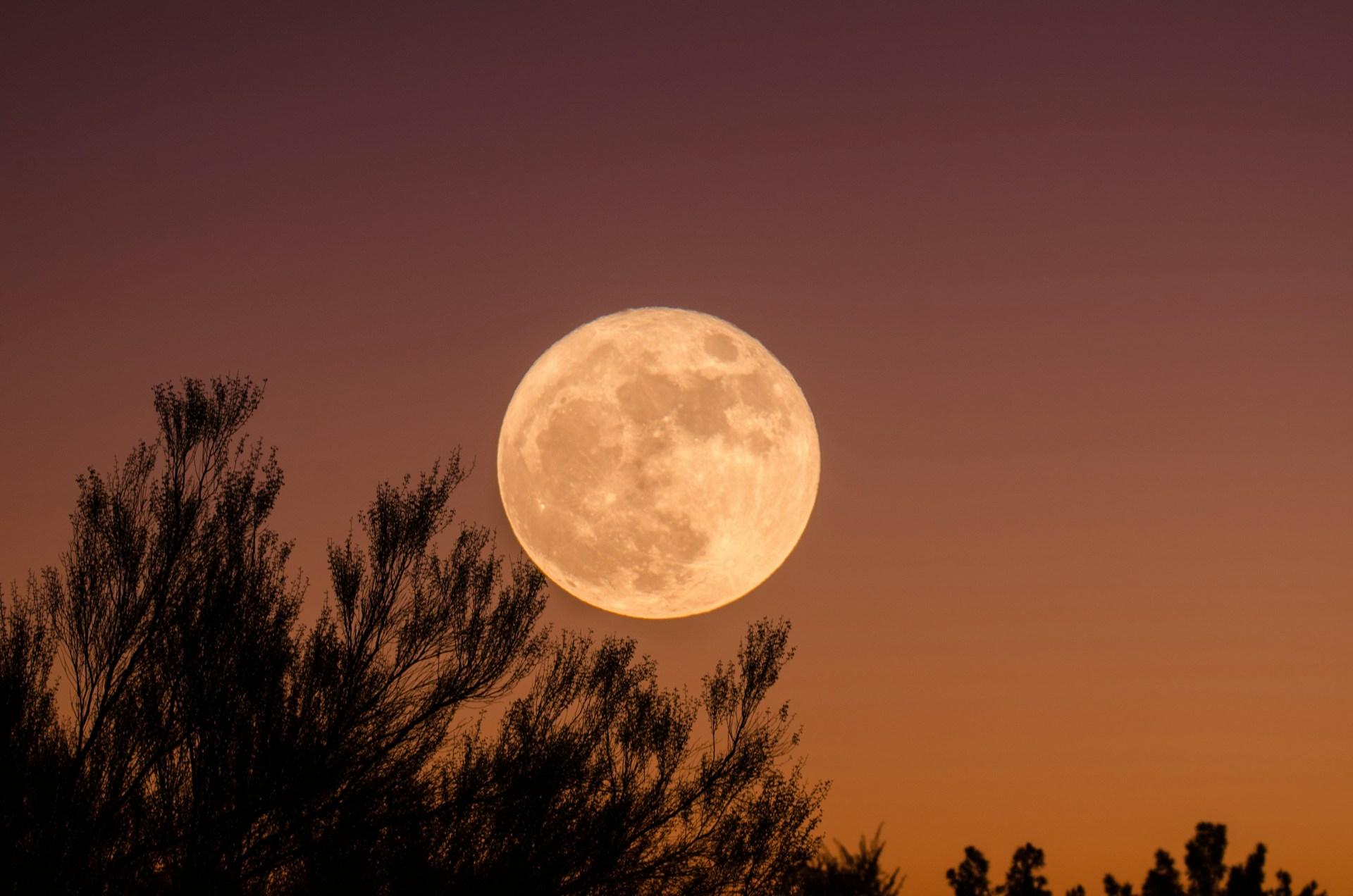
For many of us, the full moon is a mystical event we watch with awe each month. This glowing orb in the night sky plays a central role in cultures, myths, and literature—and it impacts us more than you might think. But what does science, especially NASA, say about how the full moon influences our sleep? Let’s dive a little deeper into the effects of lunar phases.
Sleep and Time Spent on Earth
NASA experts have conducted numerous studies on how the moon—especially the full moon—affects living organisms on Earth, including humans. The natural light cycle created by lunar phases has shaped behavior for millennia. It’s no surprise it can influence our sleep too.
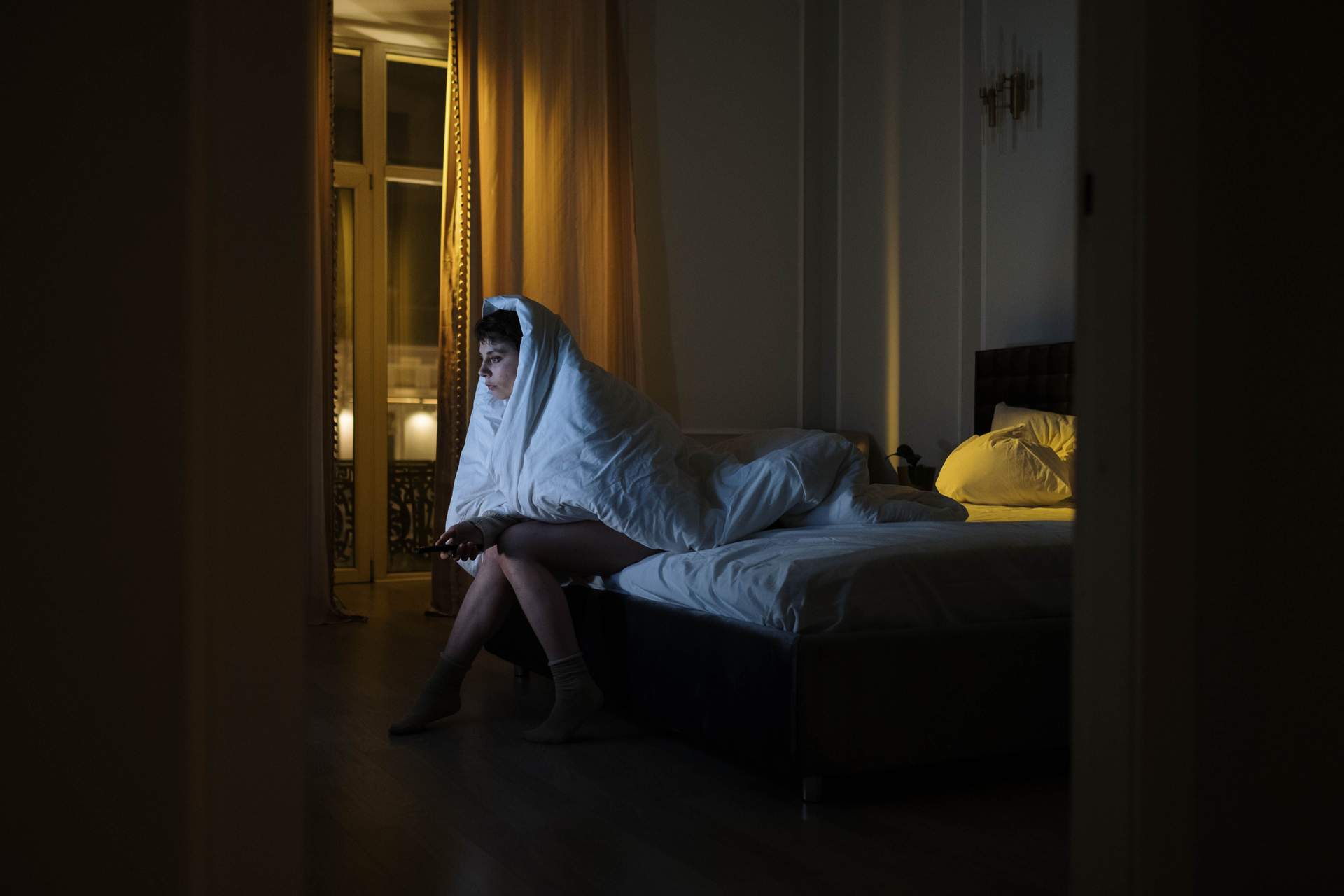
Research shows that many people notice changes in sleep quality and duration during full moon nights. Studies reveal that falling asleep can take significantly longer, and overall sleep tends to be more restless and less refreshing. This might be due to the increased brightness of natural light. Some findings suggest melatonin, the hormone that regulates sleep, is produced less during this time, which could explain why we feel less rested under the full moon’s glow.
Following the Scientific Evidence
Not all researchers agree on how strong the moon’s effects really are. While some studies provide convincing links between the full moon and sleep quality, others question their significance. NASA emphasizes that sleep issues often stem from many factors like stress, lifestyle habits, or diet.
Still, the fact that the full moon has been part of cultures and myths for so long can’t be ignored. Even if its physical effects aren’t always fully proven, its psychological impact might explain why many feel restless during a full moon. People naturally seek meaning in life’s changes, so simply knowing it’s a full moon can heighten awareness and affect how we feel.
How You Can Improve Your Sleep Quality
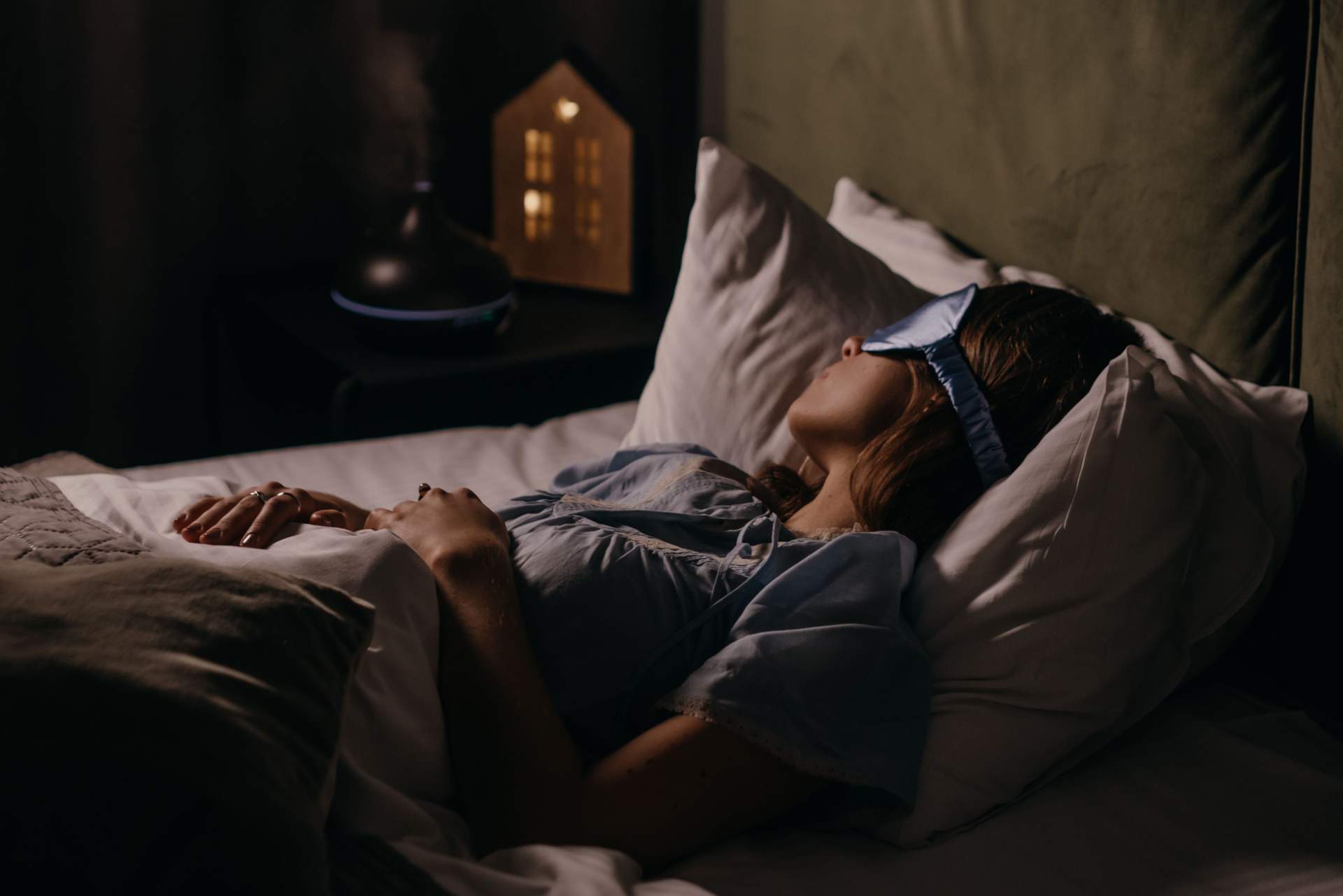
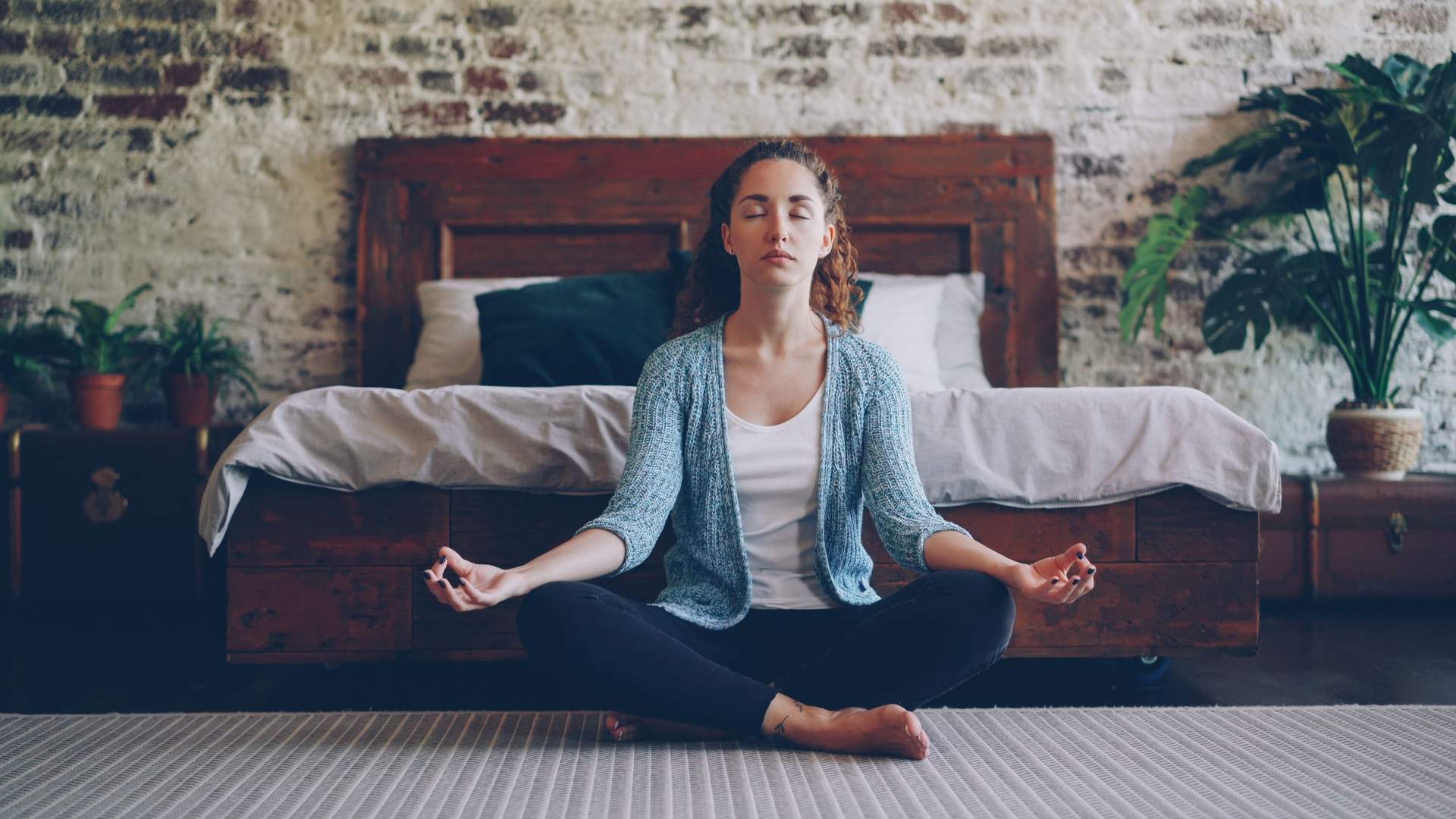
Whether or not you believe in the full moon’s magic, there are ways to keep your sleep on track. Make your bedroom as dark as possible with heavy curtains or blackout blinds to block outside light. Try calming pre-sleep routines like a warm bath or meditation to set the mood for restful sleep.
Adapting to the full moon’s presence can help maintain sleep quality, even if its physical effects aren’t always clear-cut scientifically. NASA’s perspective reminds us that celestial influences are complex and worth exploring further.