You might be surprised to learn that NASA’s impact goes beyond space travel. Through advances in humanoid robotics and sleep research, they’re helping improve everyday life. Studying sleep positions became crucial because astronauts’ rest plays a big role in their success on long missions.
The Optimal Sleep Position: Sleeping on Your Side
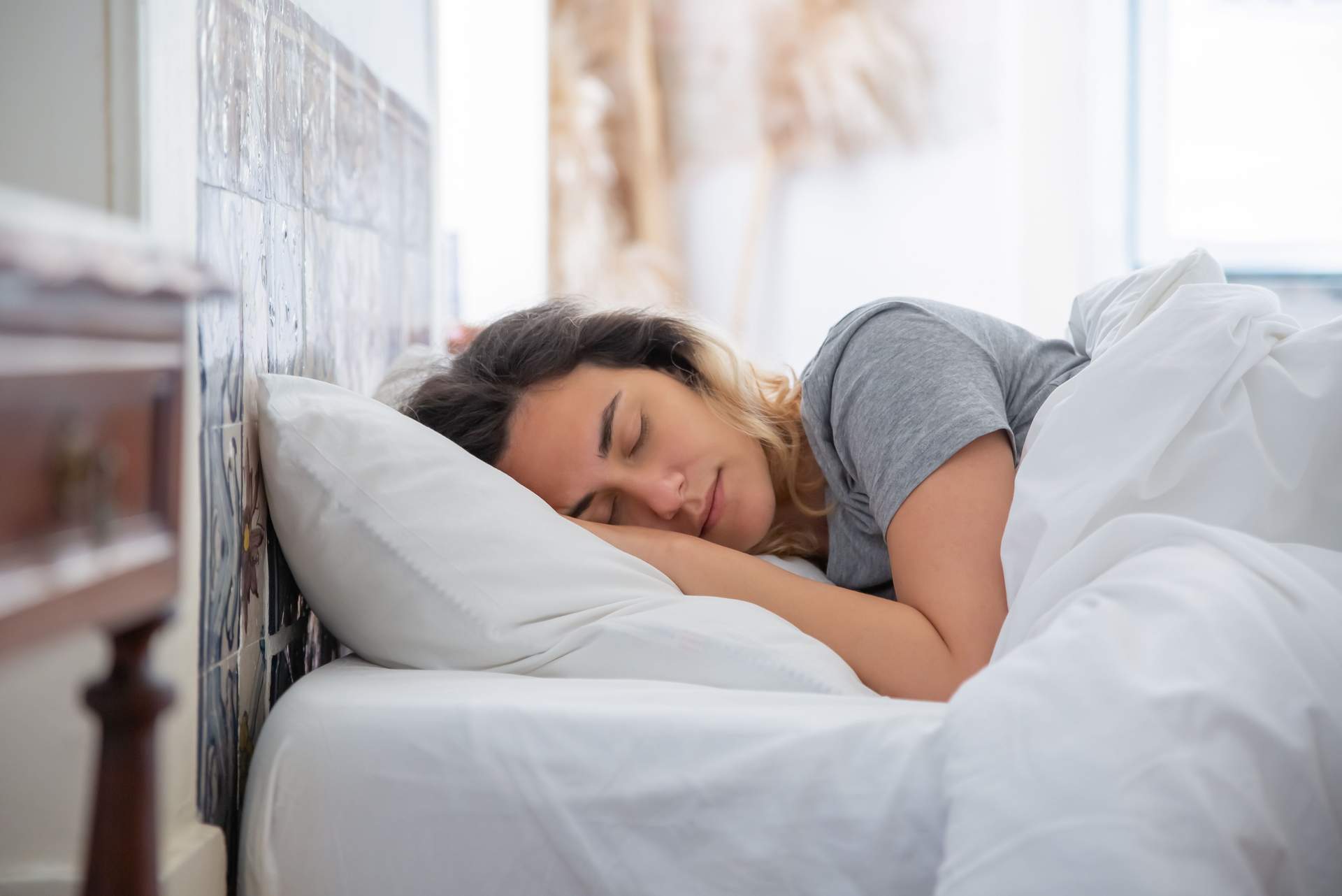
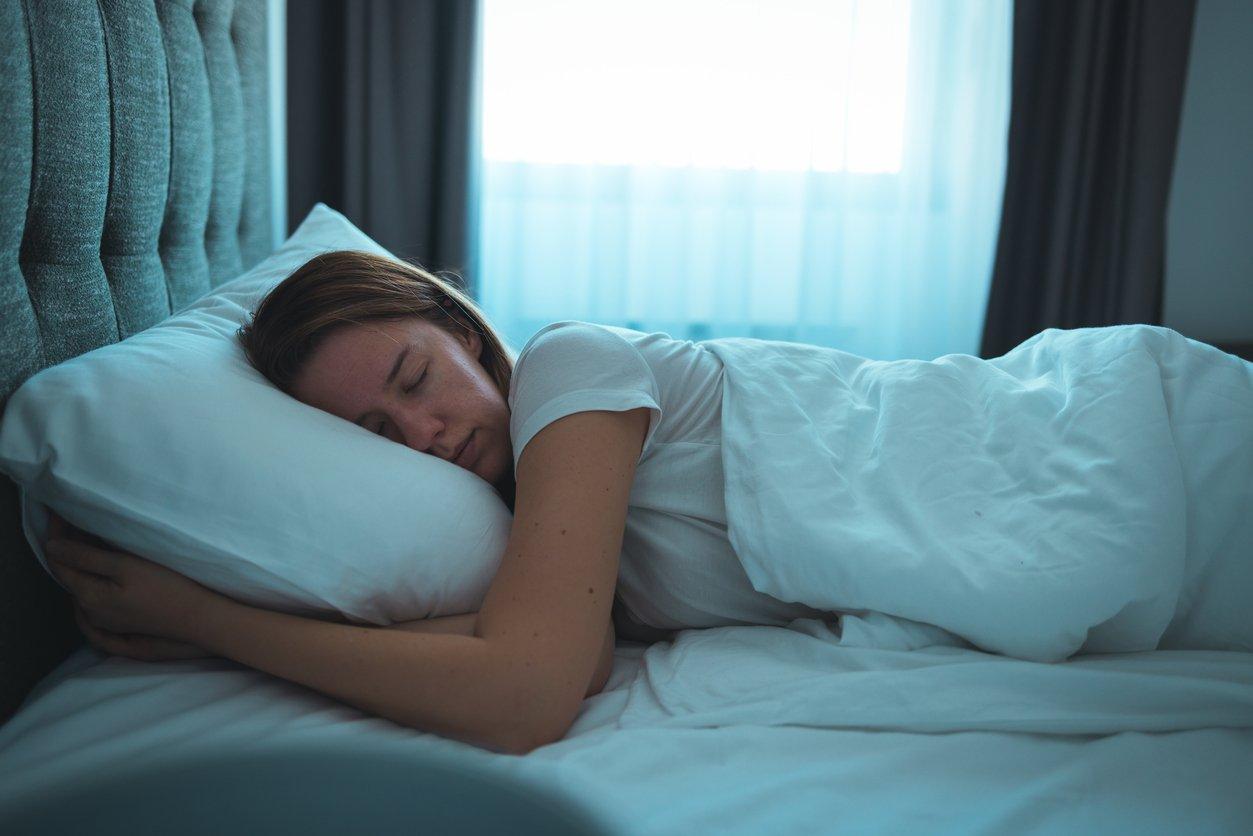
NASA’s research shows that one of the healthiest sleep positions is lying on your side. This posture keeps your spine naturally aligned, easing pressure and helping you wake up refreshed.
This position not only helps reduce back pain but can also ease breathing difficulties.
Side sleeping is especially recommended if you struggle with snoring or sleep apnea, as it keeps your airways more open. For extra comfort, try placing a pillow between your knees to relieve stress on your hips and spine.
Pros and Cons of Sleeping on Your Back
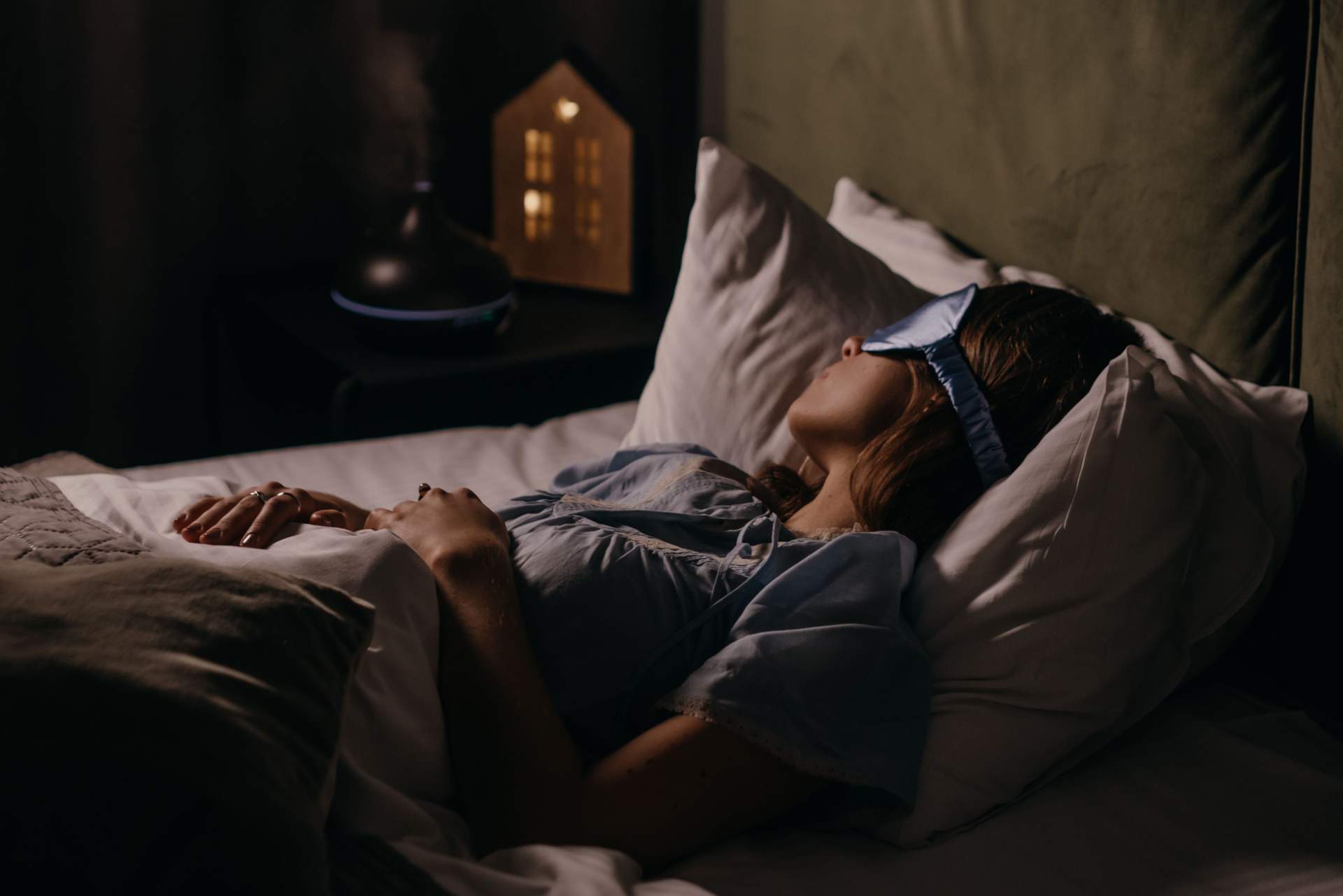
Sleeping on your back is another common position that can benefit those aiming to keep their neck and spine straight. It evenly distributes your body weight, reducing pressure points.
However, back sleeping isn’t ideal if you have breathing issues or snore, since your tongue can block airflow. Raising your head with a pillow might help prevent snoring.
Why Sleeping on Your Stomach Is Less Recommended

Some find stomach sleeping comfortable, but it’s generally less recommended, especially over time. This position twists your neck unnaturally, often causing morning stiffness and pain.
Plus, most of your body weight presses on your midsection, which can lead to spine and joint issues down the road. If you prefer sleeping on your stomach, try using a thinner pillow under your neck to ease spinal pressure.
Choosing Your Sleep Position Depends on Your Unique Needs
Remember, there’s no one-size-fits-all perfect sleep position. Everyone’s body and health are unique, so it’s key to find a comfortable yet ergonomic posture that suits you.
Picking the right mattress and pillow tailored to your sleep style can make a big difference in rest quality—whether you sleep on your side, back, or stomach.
Your sleep position directly affects your health. While NASA’s research highlights side sleeping as optimal in many ways, the best choice varies by person. Listen to your body and create a sleep environment that supports deep, healthy rest.