Looks Harmless, But Can Cause Big Trouble
Many things in our homes seem fine one moment and suddenly show serious issues the next. The kitchen sink is exactly like that, as Reader’s Digest recently pointed out. We often take it for granted that it works well, but it can surprise you—in a bad way—especially when coffee grounds end up in it.
“Coffee grounds are like wet sand,” said Chuck Pound, a plumber at Frontdoor, in an interview with Reader’s Digest. He added that coffee grounds “don’t dissolve and tend to clump together. They can also trap other food particles.”
This can create a snowball effect, leading to major clogs when mixed with other food scraps.

How to Avoid Trouble
To prevent clogs, Pound recommends tossing as many coffee grounds as possible into the trash before rinsing your coffee maker. A small amount left in your cup isn’t a big deal, he says. If too many grounds accidentally go down the drain, it likely won’t cause serious issues—just be sure to run plenty of water.
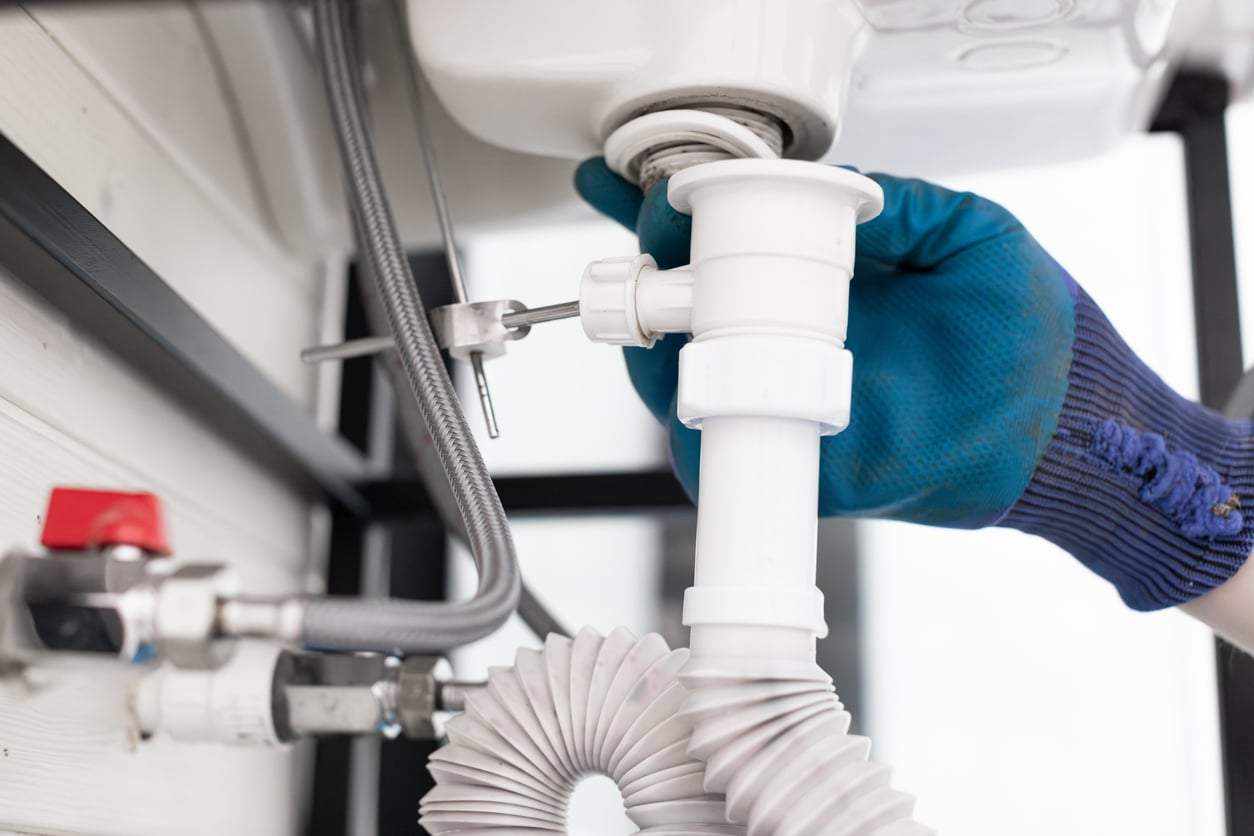
The real problem is that coffee grounds often end up in the sink. Without taking the pipes apart, you can’t tell how much has settled in the drain, and it could be quite a bit. This buildup can slow water flow, cause unpleasant odors, and even lead to bigger plumbing problems, Pound explained.
Avoid Putting These in Your Sink Too
Only tiny food particles washed off plates should go down the drain. A good rule of thumb: if you can pick it up with your fingers, toss it in the trash instead of the sink. Beyond coffee grounds, watch out for these common culprits:
- High-fiber veggies like celery, asparagus, and kale stems
- Vegetable peels
- Onion skins
- Grease and fat
- Rice
- Eggshells
- Chicken bones
- Nuts
- Pasta
- Grains
- Oatmeal
- Flour
Keep these out of your sink, along with any large chunks of food, and maintain a clean sink overall. Pound says your sink can work smoothly for up to 10 years this way. If problems arise, always check the user manual or warranty first.
Pound also notes that many minor issues can be fixed by yourself. But if you’re not comfortable experimenting or face a bigger problem like a clog, it’s safest to call a plumber—preferably one who offers a warranty. If not, find a trusted pro with great reviews online. Who you choose can make all the difference in solving the problem.