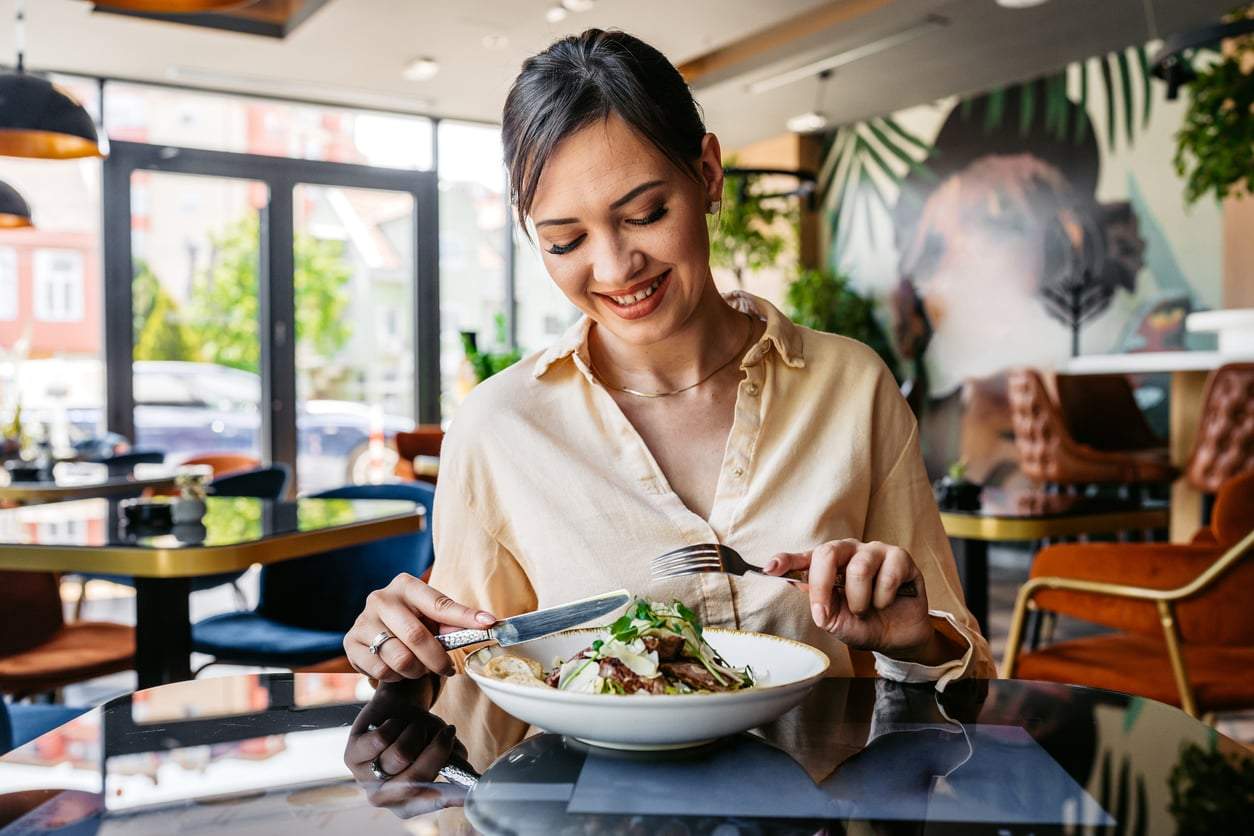
We’ve all noticed how a simple cold that blocks our nose suddenly dulls the flavors and magic of our food. This clearly shows how complex yet sensitive our taste perception is, relying heavily on our sense of smell.
But there’s more to this fascinating world than meets the eye. Environmental factors can completely change what, how, and how intensely we perceive sweetness or bitterness. Ever wondered why bottled soda often tastes better than canned, or why coffee brewed in a moka pot offers richer aromas than other methods? Let’s dive into these tasty mysteries.
How Colors Influence Taste Perception
One often overlooked but powerful player in the flavor game is color. Studies consistently show that certain colors can trick our brains into thinking foods are sweeter or more sour than they really are. This isn’t magic—it’s the brain and sensory system working together in a fascinating way.
Red or orange plates tend to boost sweet flavors, while green and blue shades nudge us toward fresh and savory experiences.
This means the visual elements around us can dramatically shape how we experience taste. Most of us respond to these cues without even realizing it, often favoring sweeter flavors when warm colors dominate our dining space. For restaurants and cafés, this is a golden opportunity to enhance flavor intensity and enrich customer experience through thoughtful design and color choices.
The Surprising Link Between Volume and Taste
Our senses, especially hearing, uniquely influence how we experience flavors. It might sound surprising, but the noise level around us while eating plays a key role in shaping taste perceptions.
Research shows that loud environments can dull flavor intensity, while quiet, calm settings help flavors fully bloom.
This likely happens because our brain is constantly processing background sounds, which can distract from tasting food or drink. That’s why quiet restaurants have become popular—they let you savor flavors deeply while enjoying pleasant conversations.
The Mysterious Connection Between Materials and Taste
The surfaces our food touches also shape how we judge its flavor.
Think about how different it feels to drink from a glass versus a plastic cup, or to enjoy dessert with metal cutlery instead of a simple plastic spoon.
The psychology behind this goes beyond the hardness or coolness of utensils—it taps into the rich experiences tied to eating. A sturdy porcelain coffee cup feels elegant and authentic, while a paper cup offers a more casual, everyday vibe.
Why Understanding Taste Differences Matters
Food enjoyment is a vital part of life, so it’s worth enhancing it in every way we can. Understanding the psychology of taste isn’t just a cool science fact—it offers practical ways to boost your dining experience.
Whether it’s a romantic dinner or a friendly get-together, this knowledge lets us shape the environment consciously to maximize the joy flavors bring.
Getting to know these sensory connections can improve your personal meals and elevate hospitality quality. In today’s global culinary scene, where innovation and creativity know no bounds, blending aesthetic and emotional elements creates world-class experiences in every dish.