When I was a kid, it was normal to visit our family doctor when I was sick—someone who knew me by name, understood my family’s medical history, and referred me to the right specialist if needed. Honestly, I can’t pinpoint when it became automatic that seeking medical care also meant asking: private healthcare or public service?
Deciding involves many factors: cost, time, quality, nerves, and self-worth. Today, it’s not just about the symptoms we have but also about how much we can tolerate and afford.
Many people, if they can, already choose private clinics. Quick appointments, friendly staff, clean environments, and genuine attention are powerful reasons—especially when health is on the line and you might feel vulnerable.
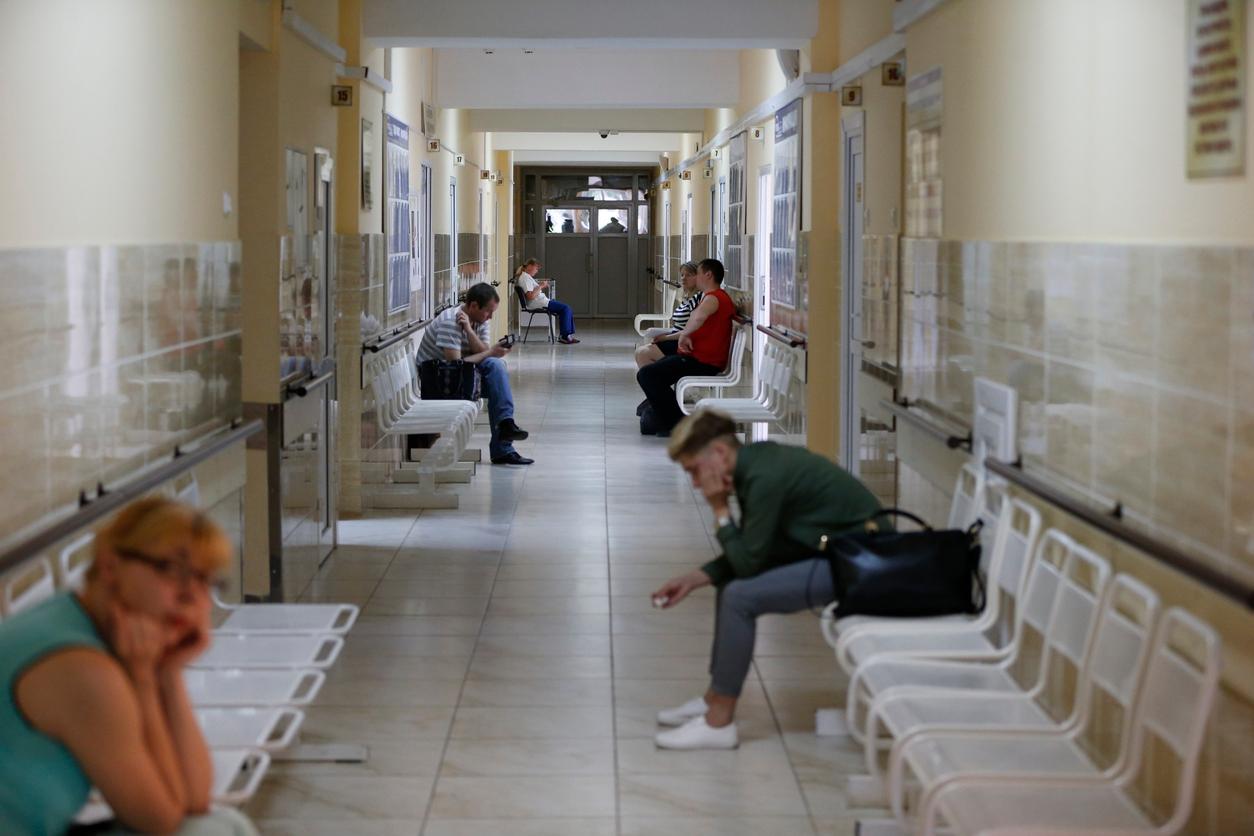
Others don’t even consider paying for private care—not because they don’t want to, but simply because it’s not an option. They wait months, sometimes years, hoping that when their appointment comes, it’s still in time and they’ll get real care.
I’m somewhere in between. If it’s really necessary, I pay for private care—but I always feel the weight of that choice. So I weigh it carefully. And it’s strange to say, but this process is often not just rational but deeply personal and painful. I ask myself: what am I willing to endure? Where’s the line where not only my body but my self-respect is hurt?
Is a little yearly humiliation worth $140?
For example, I go to public clinics for gynecological cancer screenings. I know the doctor there usually rushes, can be gruff, sometimes dismissive. I’ve experienced this for years, but I’ve never had a serious issue. And since private screenings are extremely expensive, I tell myself: I can handle this once a year. Because even though I wish the doctor would show a little kindness—a comforting word or gesture while I’m lying vulnerable and exposed on the table—I can’t justify paying $140 just to be treated kindly in the same situation.
It’s ironic, isn’t it? I’d pay for my body, but really I’m paying for my dignity. And there are points where I’m willing to compromise with myself. Cancer screening is one. It’s uncomfortable, but manageable.
When it comes to my child, I don’t compromise
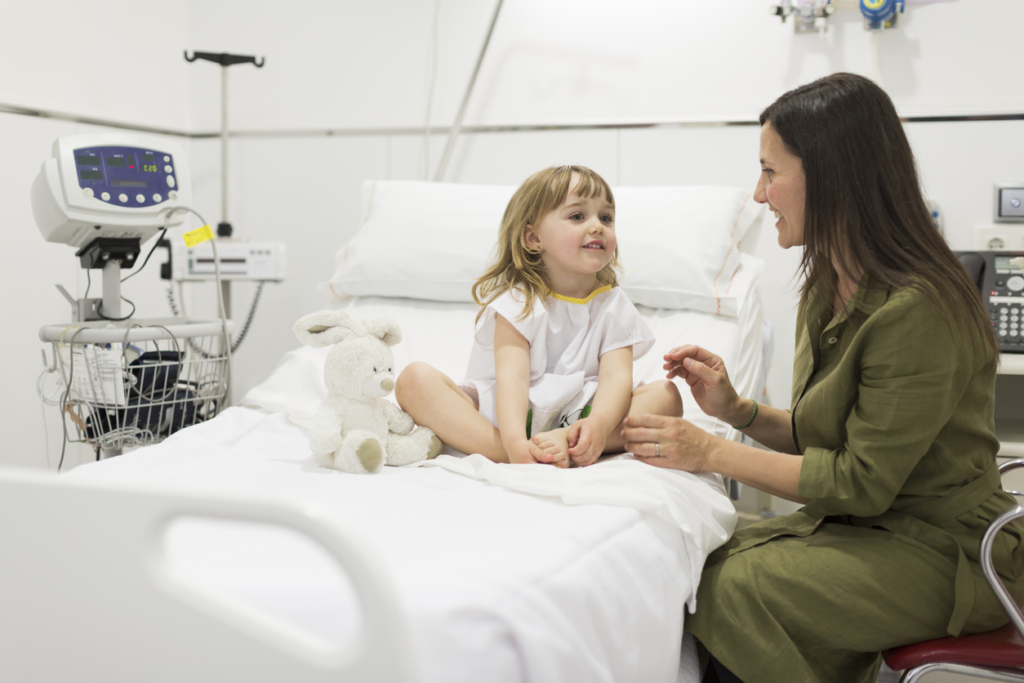
But with my daughter, it’s different. I recently noticed one of her teeth starting to discolor—probably a cavity. From the first moment, I knew: she’s not going to a public clinic. Not because I think the professionals there are bad, but because a strained system simply can’t offer what she needs: patience, connection, and trust-building.
For my daughter, who has Asperger’s syndrome, a new appointment isn’t just a “first visit” but can be a scary, overwhelming, even traumatic experience. Private care offers—at a cost—the chance for a first appointment just to get familiar, to sit in the chair, and for the doctor to explain what will happen next time. This can be reassuring for any child but is absolutely essential for someone on the spectrum. Public clinics don’t have the capacity for this—there’s no time.
When it comes to kids, there’s no question: I won’t take her where she might not get the care she needs. Her sense of safety and emotional well-being isn’t negotiable.
The cost of the choice: money, dignity, emotional burden
The hardest part of this balancing act isn’t even the money, strange as that sounds. It’s weighing how much my dignity is worth in every situation. How many times can I allow myself to feel vulnerable? How many times should I swallow poor treatment just because it’s “free”? And I know, of course, public care isn’t really free—I’ve already paid through my health insurance contributions.
What about those who have no choice?
The hardest thought is that I—though with difficulty—can choose. I can decide for my child. I have room to maneuver, time, strength to save, and pay when it really matters.
But I know many can’t. They have no alternative, no “if I must, I’ll go private.” They wait. They hope. And they accept whatever is given.
Often, I feel this question isn’t just about our health. The system also measures our worth—and it seems those who can’t open their wallets aren’t valued much in this country.