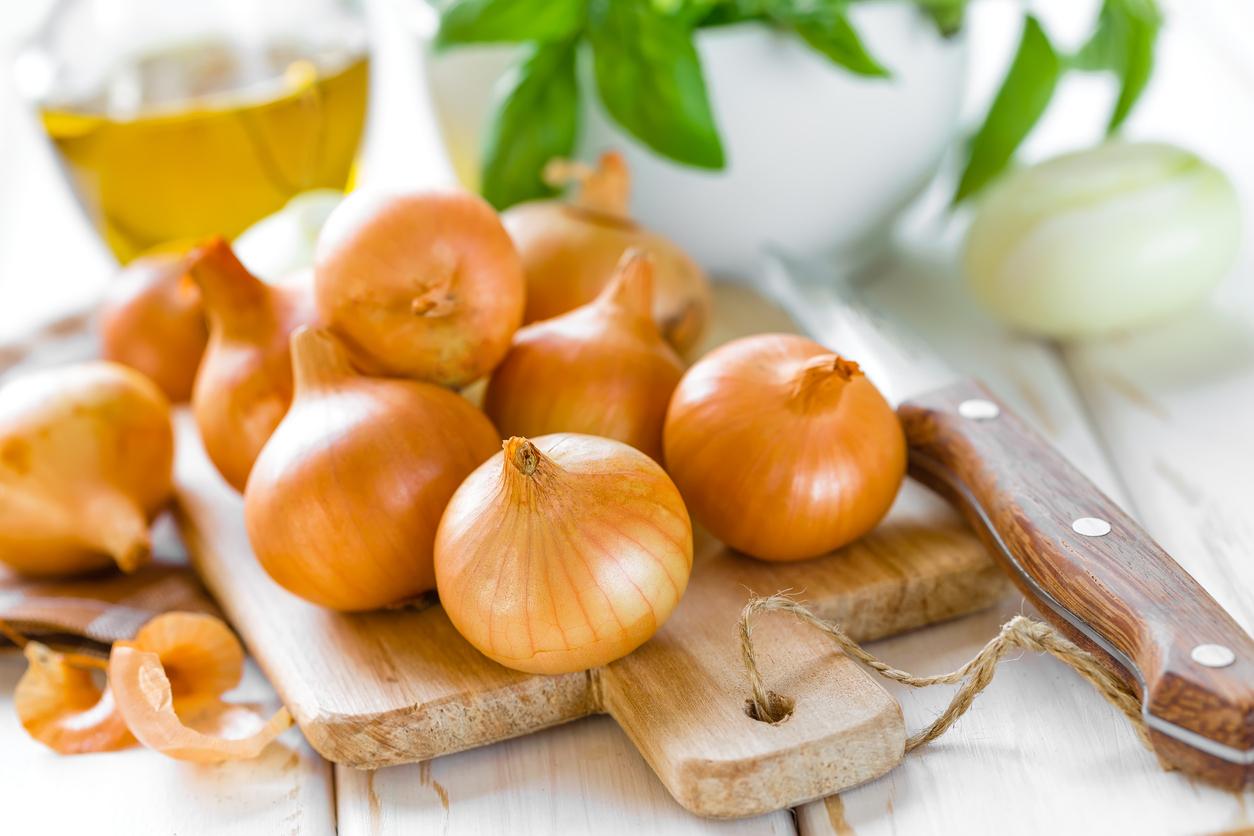
Onions are kitchen staples for a reason. But like all foods, they can degrade over time. Let’s explore when and how you can safely enjoy onions in various states, and what to watch out for to keep your health in check!
Sprouting Onions: Safe to Eat or Not?
When an onion starts sprouting, green shoots often break through its skin. This is a natural process, especially if the onion has been stored in a damp place for a while. But is a sprouting onion still edible?
In short: yes, sprouting onions are safe to eat.
In fact, the sprouts themselves are edible, though they might taste a bit more bitter than the rest of the onion. However, if sprouting comes with other changes like soft spots or discoloration, it’s wise to inspect the onion more closely.
What to Watch for with Slightly Rotting Onions?
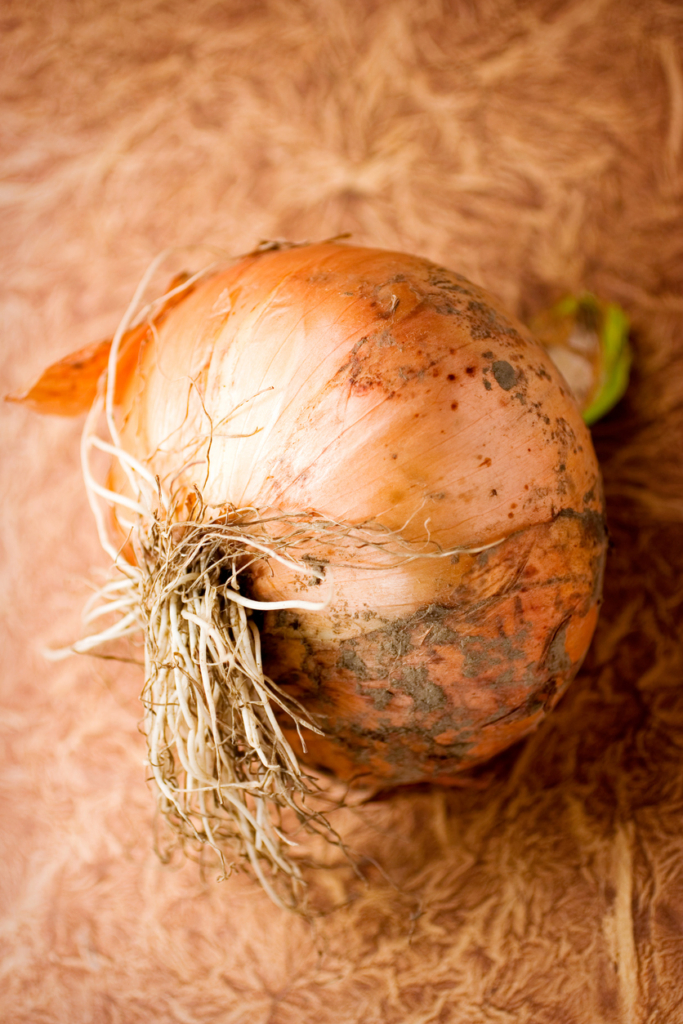
Slightly rotting onions usually give off an unpleasant smell and have soft spots. Handle these onions with care. If the onion still has firm parts, it can be safe to eat after thorough cleaning. Remove all soft or rotten areas and wash the onion well.
If the rot has spread throughout the onion, it’s best to toss it entirely.
At this stage, the onion can pose health risks and even cause food poisoning if you’re not careful.
Moldy Onion: Time to Toss It?
Mold is a clear sign that the onion is no longer safe for consumption.
Mold produces mycotoxins that can seriously harm your health.
Don’t risk it by cutting away moldy parts, as mold can penetrate deeper than what you see. Always discard moldy onions immediately.
How to Store Onions Properly?
Proper storage is key to preventing sprouting, rot, and mold. Keep onions in a dry, cool spot to help them stay fresh longer. Avoid moisture and don’t seal them airtight—let them breathe.
When buying, choose onions that are firm with intact skins, as they tend to last longer. Different onion varieties may have unique storage needs, so keep that in mind when selecting your onions.
Why Is Eating Onions So Healthy?
Onions are packed with essential vitamins and minerals. They’re rich in vitamin C, B6, and folate, plus antioxidants that help reduce inflammation and boost your immune system. Onions also contain small amounts of quercetin, known for its anti-inflammatory benefits.
With low calories and a good fiber content, onions support healthy digestion. Eating them regularly can help regulate blood pressure and cholesterol, promoting a healthy heart.