One of today’s biggest challenges is how technological progress impacts our planet. Since the Industrial Revolution, environmental strain has grown—and plastic production is a big part of that. In recent decades, plastic has replaced natural materials to such an extent that we now face serious consequences.
Plastic Everywhere: The Scale of the Problem
Plastic production has surged since the 1950s, with over 300 million tons made globally each year. The total plastic made by humans now outweighs the world’s living biomass, which is about 550 gigatons. This unsustainable growth affects not just the environment but the entire global ecosystem.
What’s especially alarming is that most plastic doesn’t break down naturally—it can take hundreds of years to decompose. Meanwhile, living biomass constantly renews itself, maintaining Earth’s ecological balance. So, the fact that there’s more plastic on Earth than living biomass is a powerful wake-up call for all of us.
Plastic Production Data and Stats
Plastic production numbers worldwide are staggering. A 2020 study reported nearly 368 million tons produced annually. In the EU alone, production was around 62 million tons in 2018. About 40% of this plastic ends up as packaging, which has a very short life and often becomes waste in the environment.
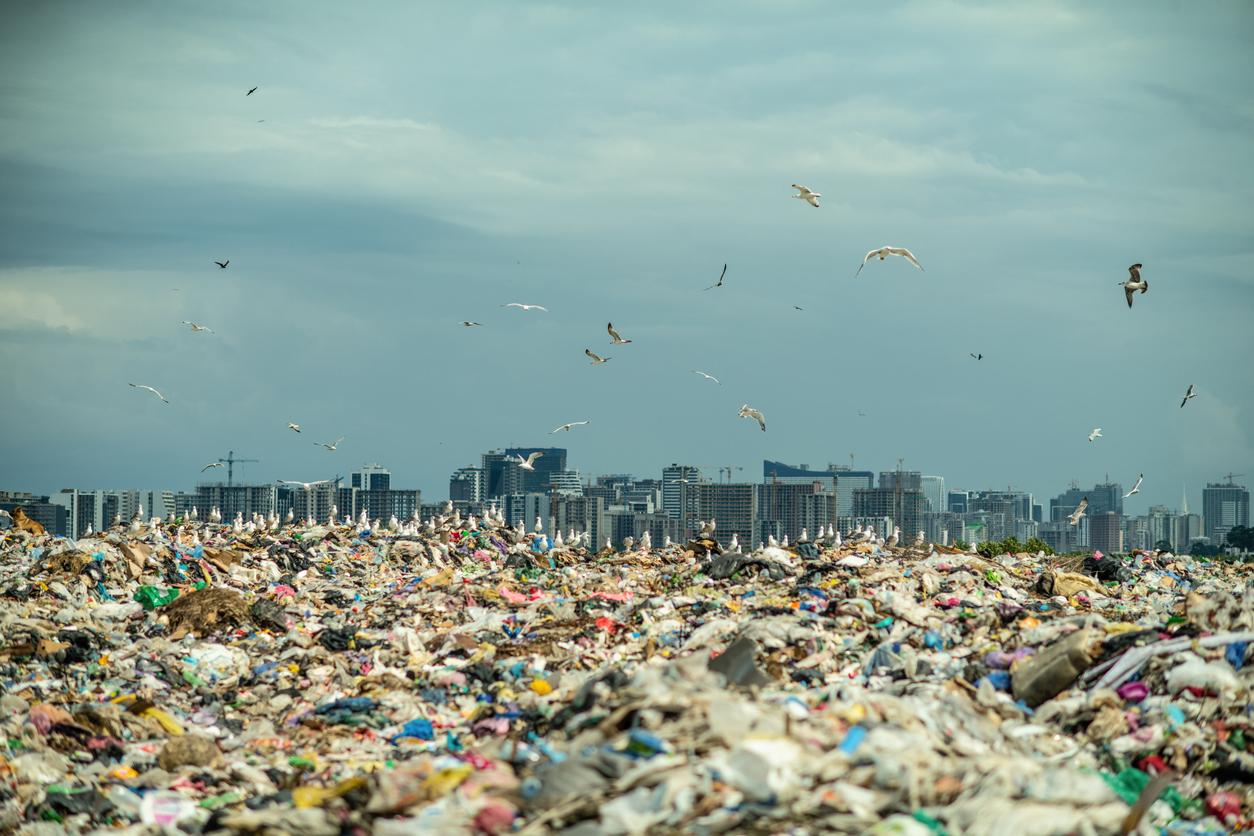
Many countries, especially developing ones, struggle with waste management, so plastic piles up in oceans, rivers, and on land worldwide.
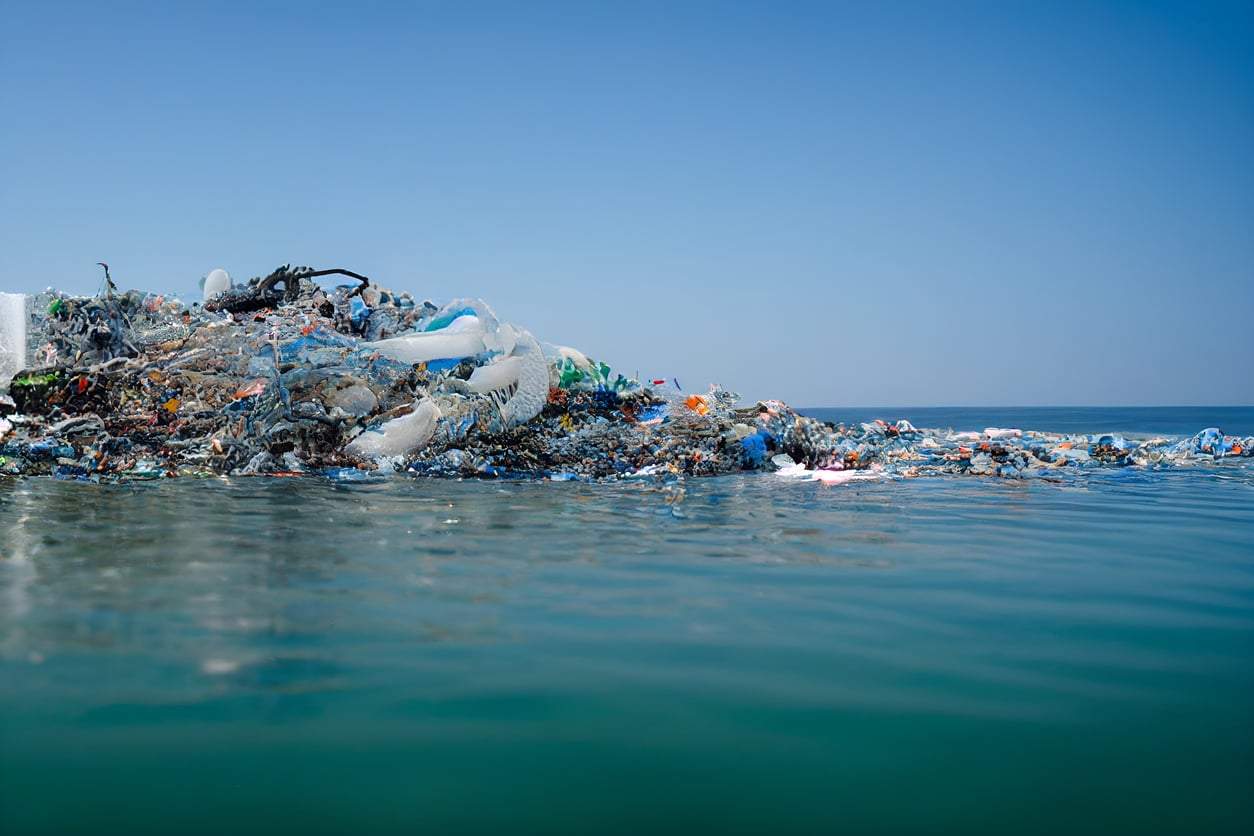
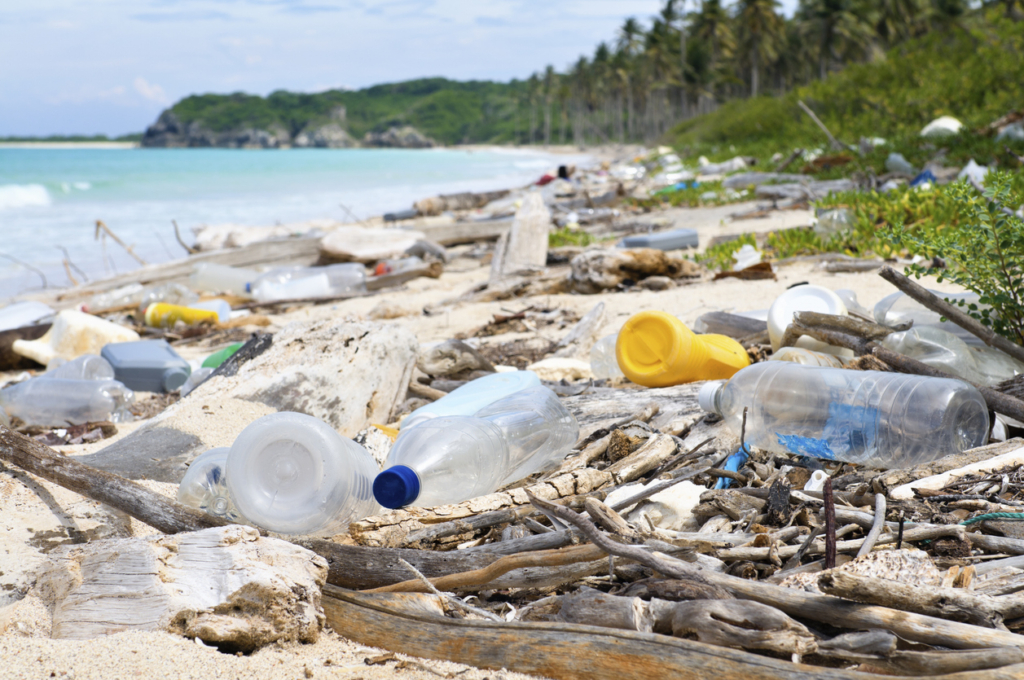
According to the UN, 13 million tons of plastic enter the oceans every year, posing a serious threat to marine life.
How Plastic Impacts Ecosystems
Plastic’s presence in ecosystems is devastating. Animals often mistake it for food, leading to harmful effects. This plastic waste affects not only smaller creatures but the entire food chain—including us.
Microplastics—plastic particles smaller than 5 millimeters—are especially dangerous. They’re found almost everywhere: in drinking water, food, and living organisms. Some studies estimate over 8 tons of microplastics enter the oceans annually.
Alternatives and Hope for the Future
Though the problem feels overwhelming, solutions exist to reduce plastic pollution. Recycling and replacing plastic with biodegradable materials are key steps. Innovations are already here—we just need to adopt them more widely.
Researchers worldwide are developing biodegradable plastics that could offer long-term solutions. These alternatives can restore the planet’s balance over decades and help maintain our quality of life.
While the situation is serious, it’s not hopeless. The only way forward is collective action and conscious choices. Recycling, changing consumption habits, and embracing eco-friendly alternatives are all essential to securing a safer, more sustainable future for Earth. Time is pressing, but together, we can overcome the plastic era.