1. Natural Materials: Wood, Rattan, Linen
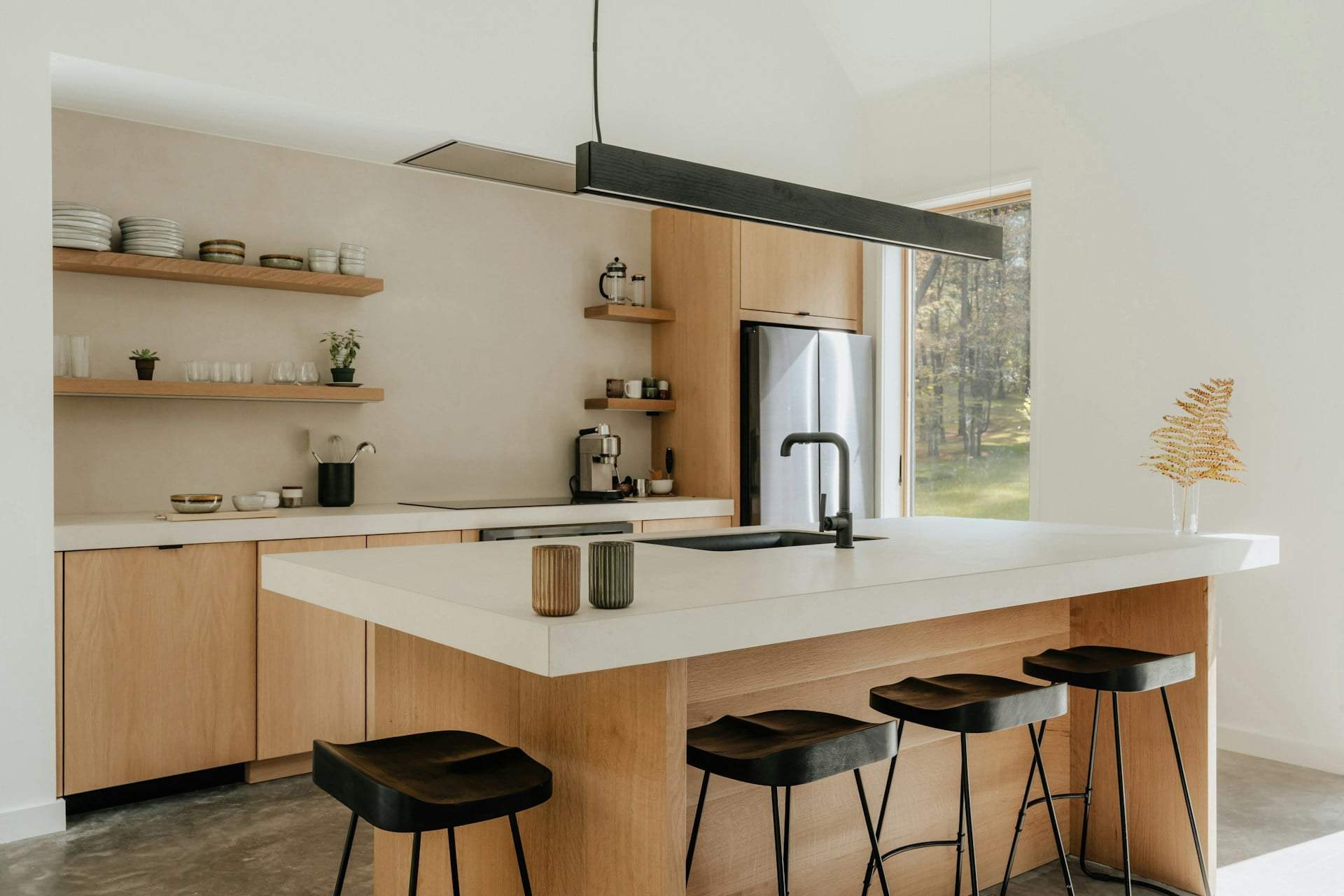
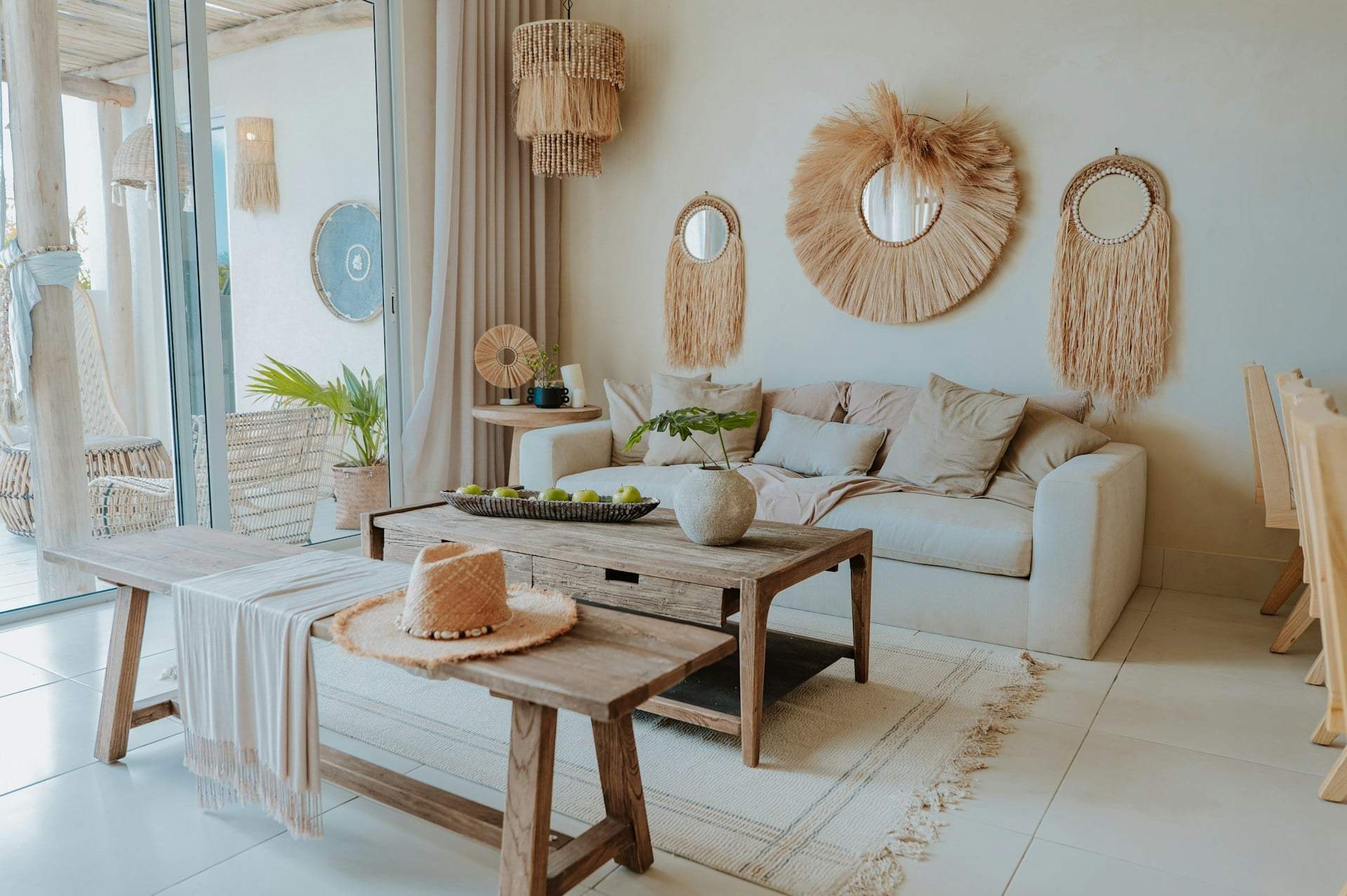
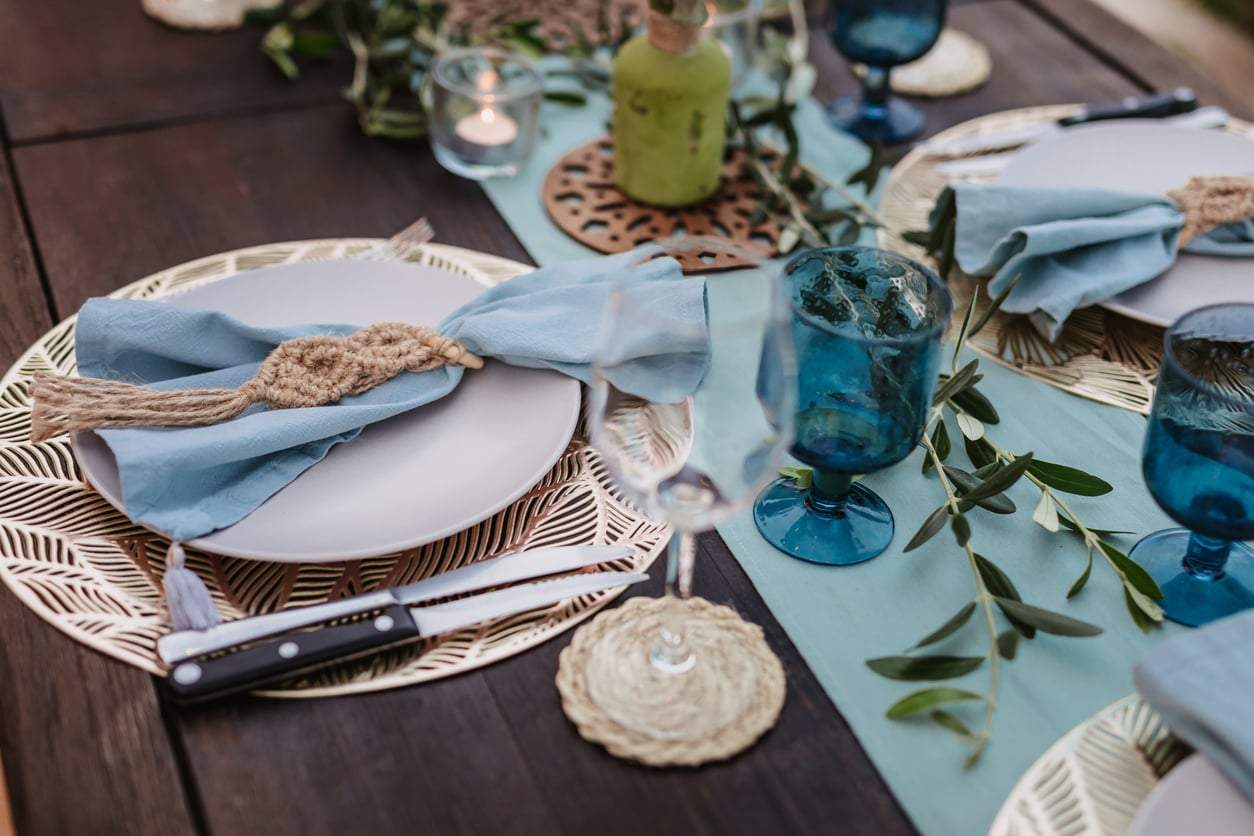
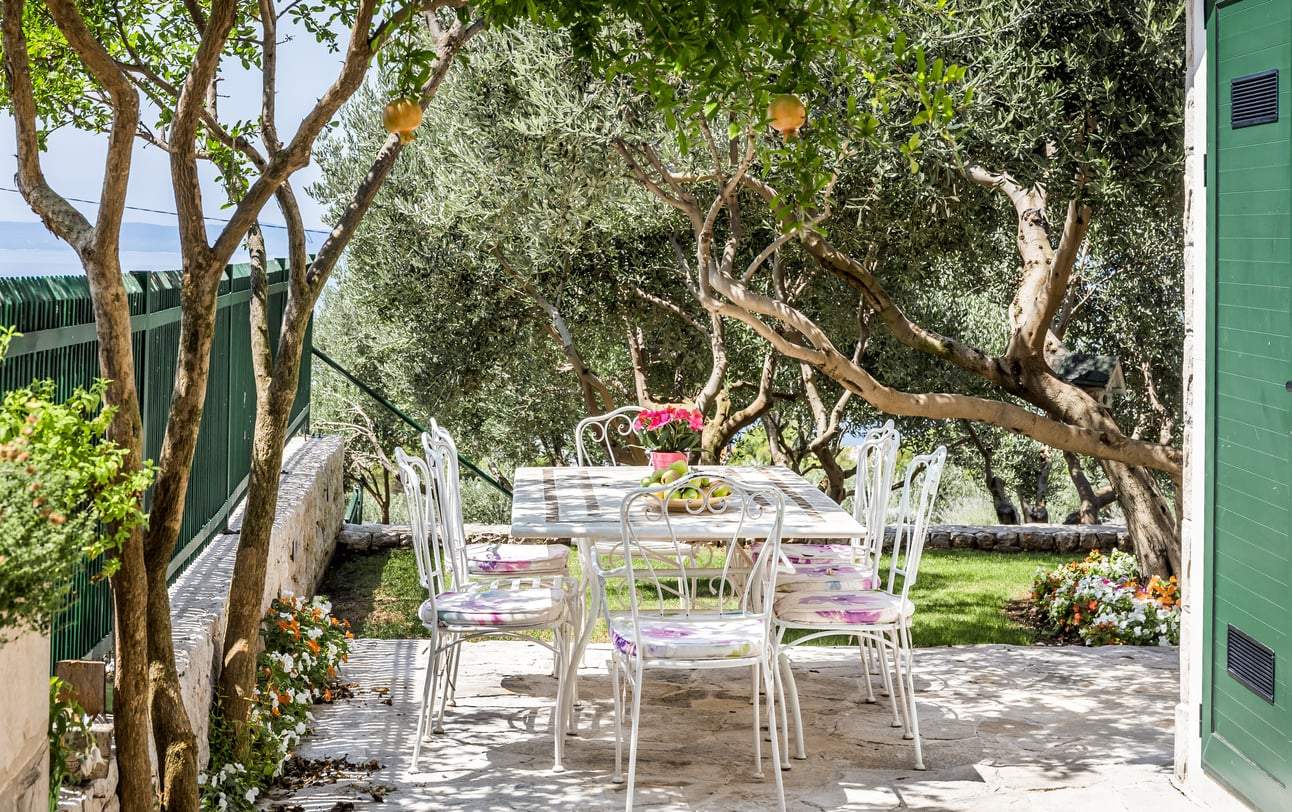
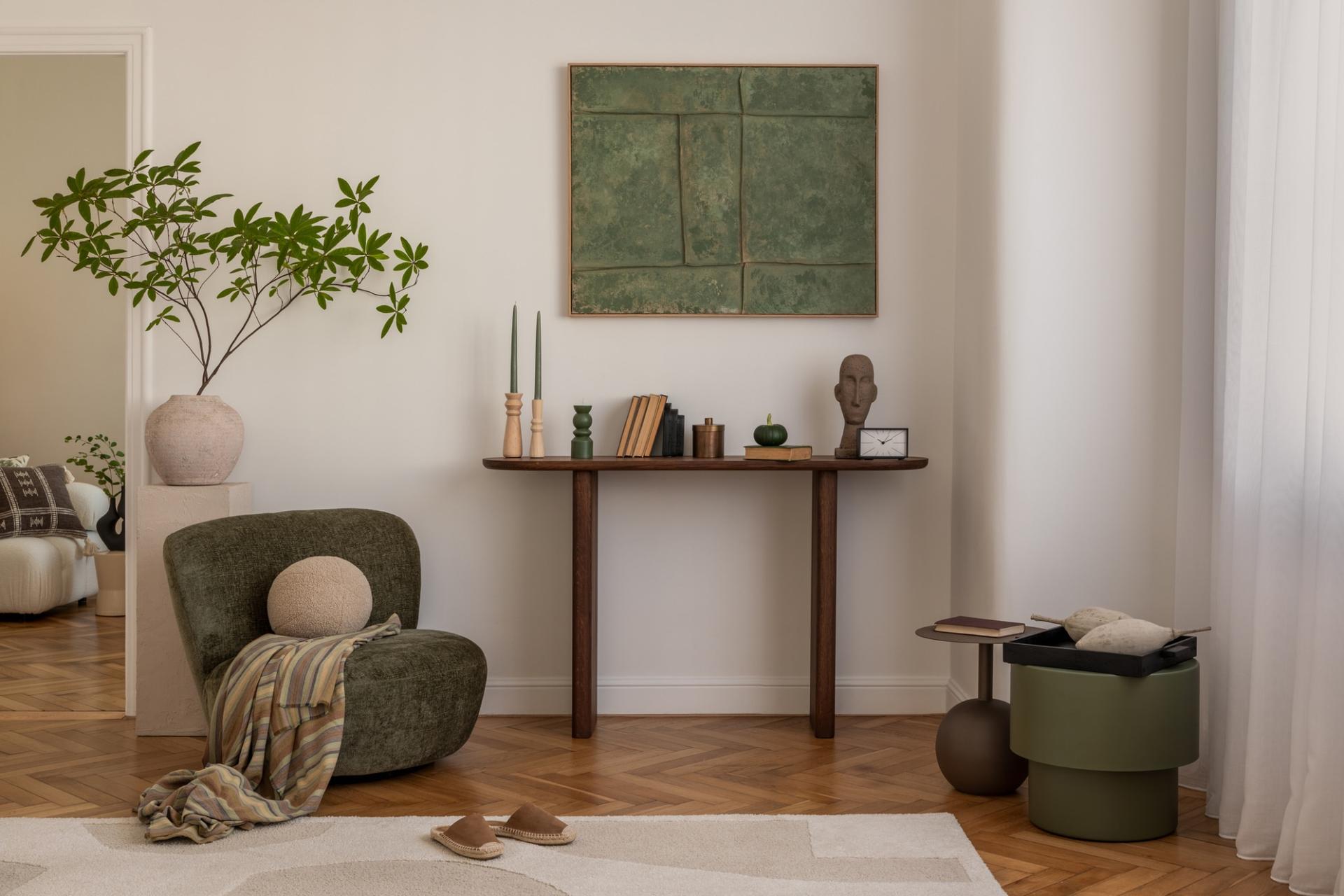
The warmth of wood, the handcrafted charm of rattan, and the raw feel of linen all tell your brain: “You’re safe here.” A 2005 Japanese study found that seeing and touching natural materials lowers cortisol—the stress hormone. So if you’re tired of that plastic vibe, swap a few fake flowers for a woven basket or a wooden candle holder.
2. Rounded Shapes and Curved Lines
Psychologists have long known that soft, curved shapes feel friendlier and more calming than sharp, angular ones. A 2013 American study showed people perceive curves as “safer and more pleasant”—whether in a comfy chair or a vase’s silhouette. Whenever you can, choose a round table, an oval mirror, or a globe-shaped lamp!
3. Touchable Textures: Soft Pillows, Cozy Throws
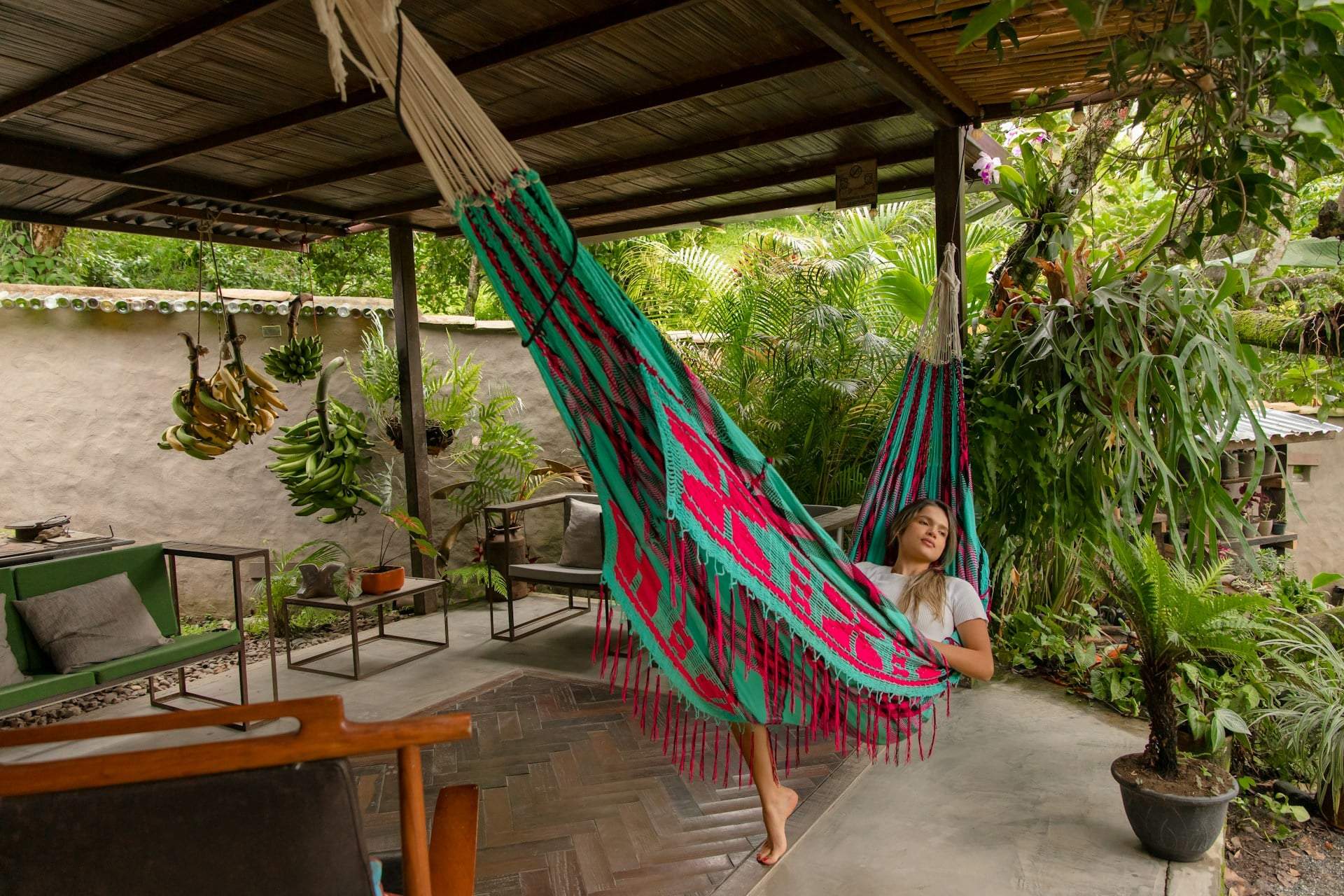
When stress hits, touch is one of the strongest ways to calm down—whether it’s a hug or just a soft fabric. A British study found that touching soft materials boosts oxytocin, often called the love hormone. A new pillow, a warm knitted throw, or a fluffy rug isn’t just decoration—it’s soul care.
4. Earth Tones and Pastels
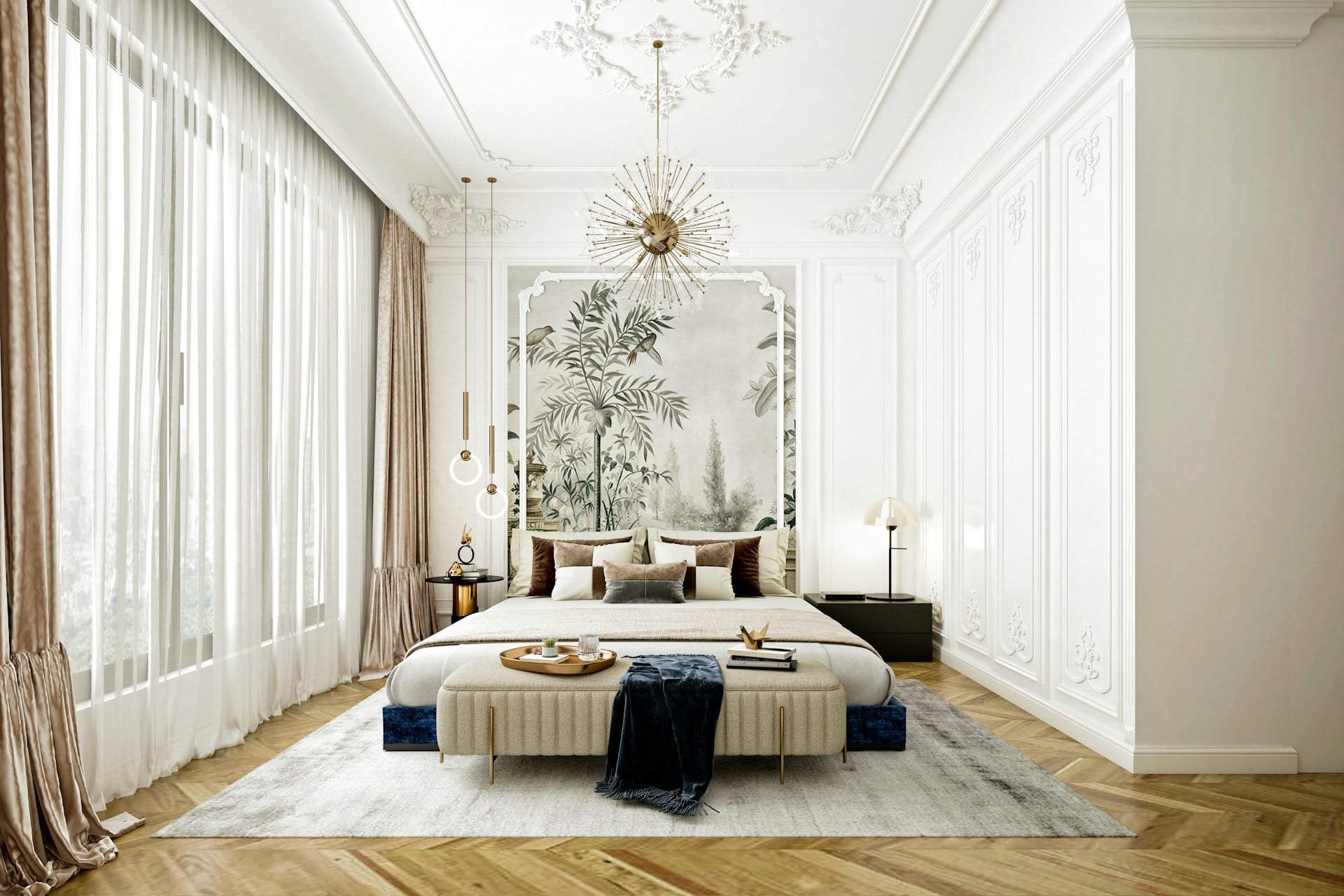
It’s no surprise that relaxation spaces like yoga studios and wellness hotels often use earth tones and pastel shades. These colors help slow you down, lower your pulse, and create a sense of safety. Psychologists say beige, terracotta, light gray, and soft green are especially stress-relieving. No big makeover needed—just a few throw pillows or new curtains can do the trick.
5. Nature Indoors: Plants, Flowers, Stones
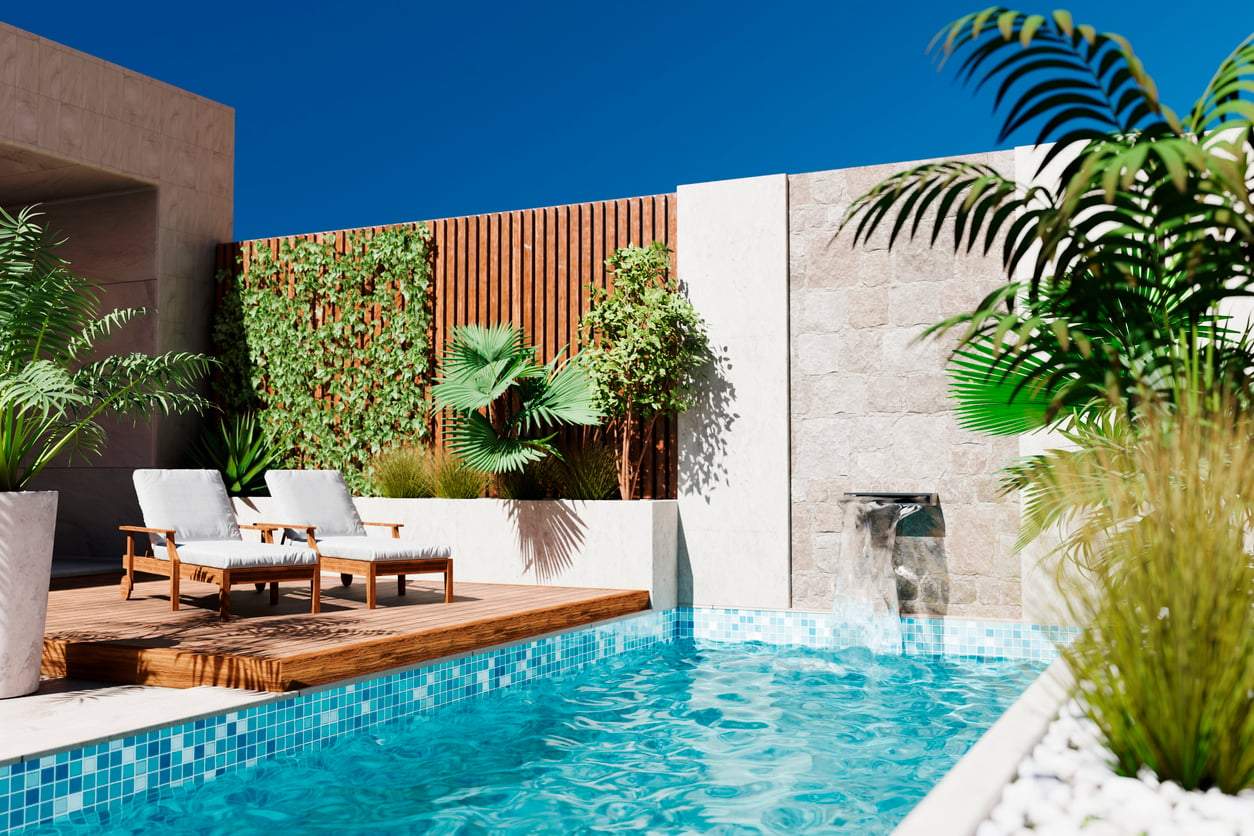
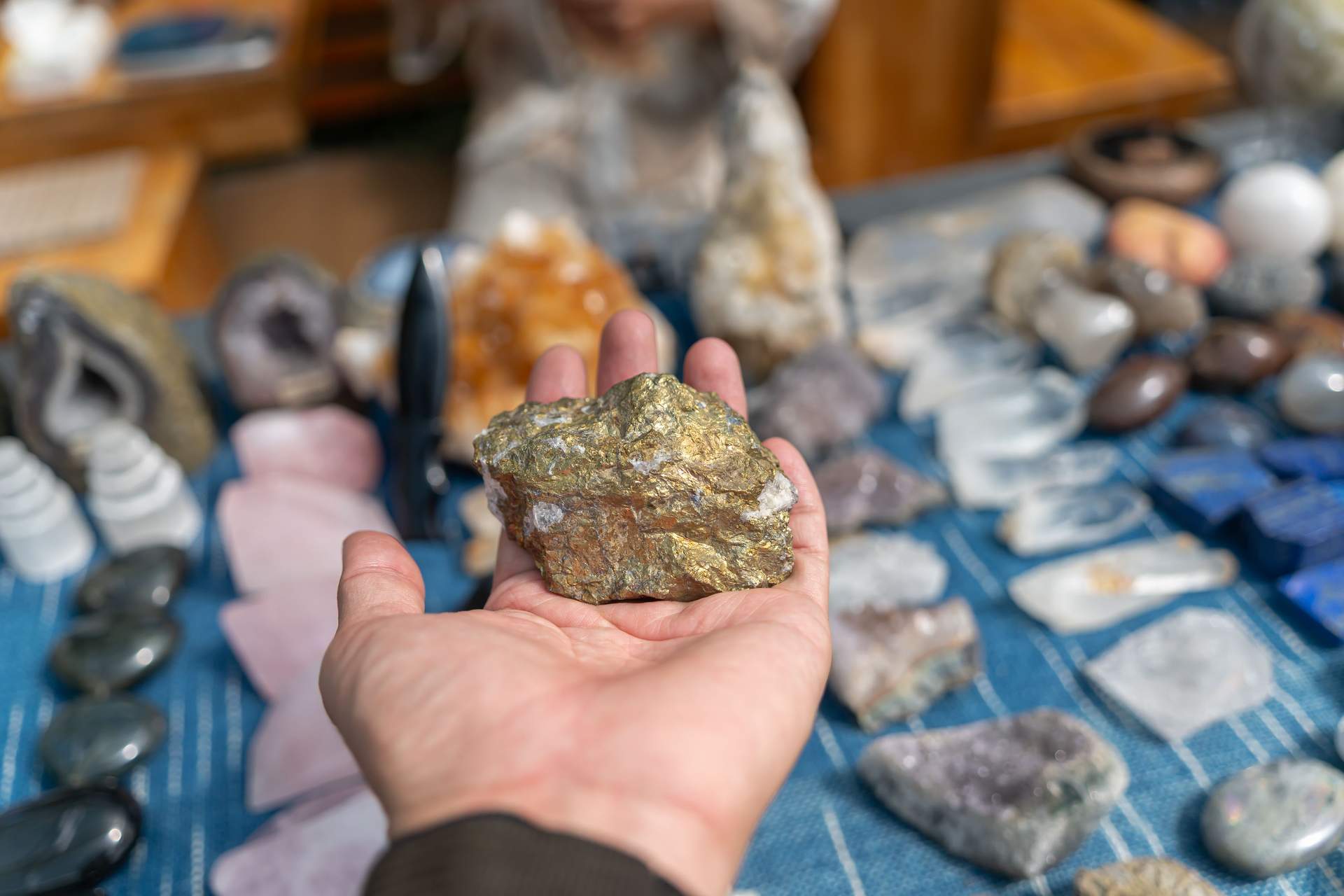
Biophilic design—bringing nature close indoors—is growing in popularity for good reason. A 2020 study found that spending just 20 minutes a day near plants lowers stress and lifts mood. No need to create a jungle—a little lavender on the windowsill, a couple of leafy houseplants, or some decorative stones can work wonders.
6. Organized, Clutter-Free Spaces
Clutter stresses you out, even if you don’t realize it. A UCLA study found people living in messy homes have higher cortisol levels and feel less rested. You don’t need to go full Marie Kondo, but a woven storage basket, a small organizer box, or a wall shelf can help avoid visual overload.
7. Soft Lighting and Mood Lights
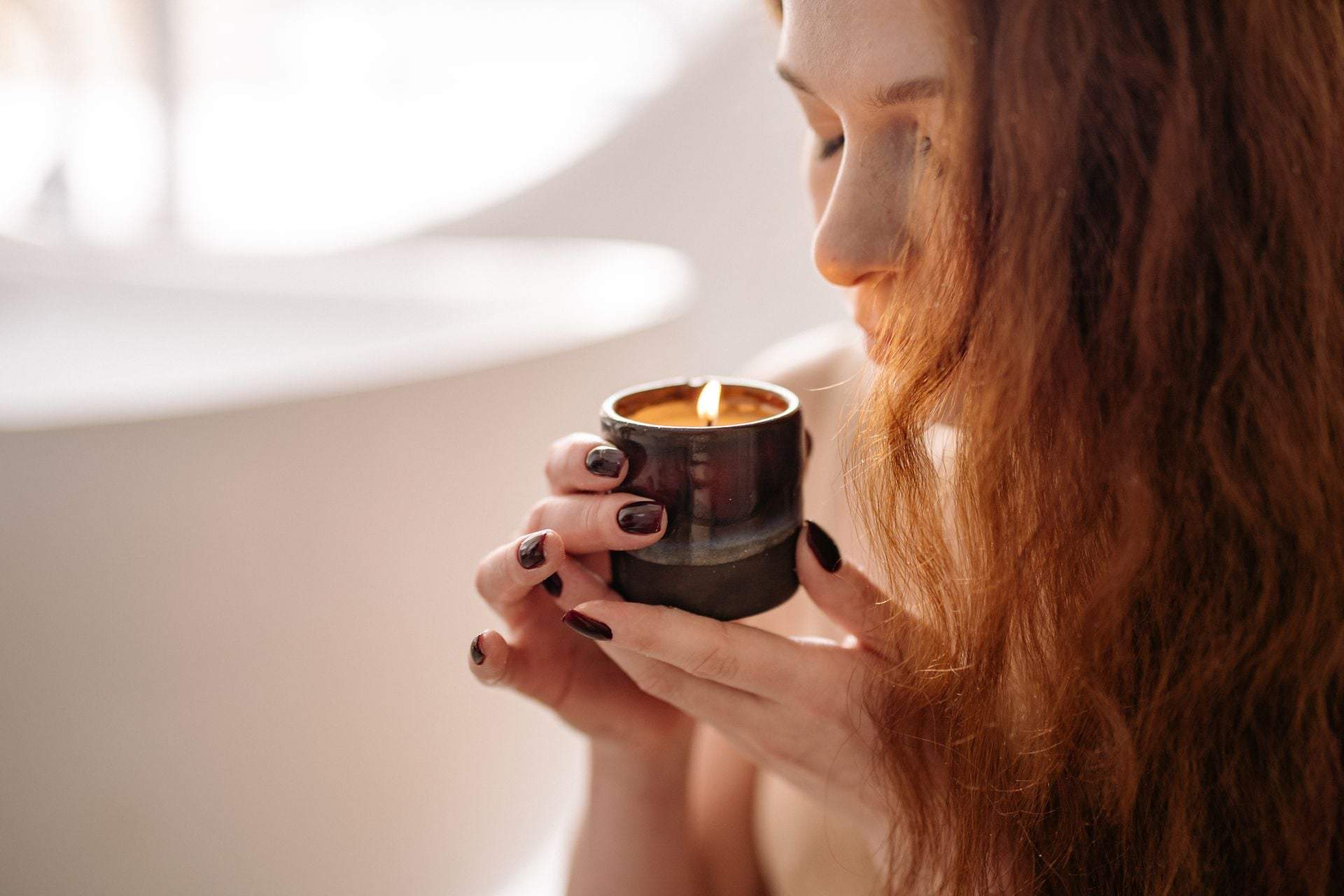
Harsh or cold lights ramp up stress, while warm lights soothe the nervous system. A Scandinavian study found mood lighting—especially yellow and orange tones—boosts melatonin, the hormone that regulates sleep. In the evenings, swap your ceiling light for candlelight or a warm-toned floor lamp and notice how much easier it is to unwind.
+1 Tip: Create Your Own Bubble
If you have a little nook—a corner armchair, a small table with a candle—where you can retreat for a few minutes anytime, you’re already doing something great for your mental well-being. It’s not about square footage, but how you feel in that space.
Your home isn’t just your address—it’s a reflection of your inner world. When you fill that world with elements that truly support you, it leaves a mark not just on your space but on your soul. If you’re craving calm, don’t aim to change the whole world—start with a soft pillow, a gentle light… and watch your nervous system breathe easier.