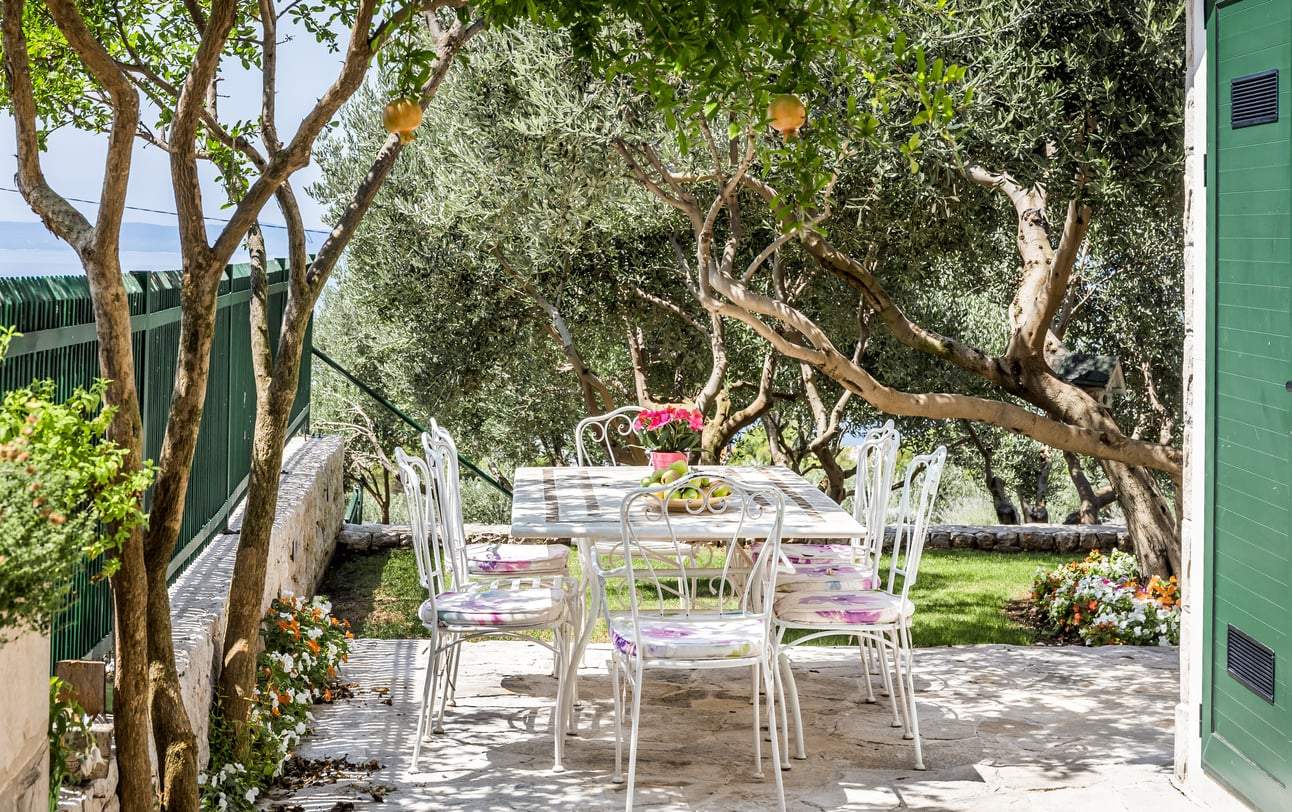
For years, we assumed that shells, natural materials and sandy-toned walls only looked good when there was an actual ocean outside the window. Then something shifted. This aesthetic is popping up in more and more homes — from suburban apartments to downtown flats — and, surprisingly, it works everywhere.
It's not kitschy and it doesn't feel forced. Instead, it has a kind of quiet elegance that isn't trying to prove anything. The best part? You don't need a beach house or a big budget to make it happen, which means you can start whenever you want.
What exactly is it?
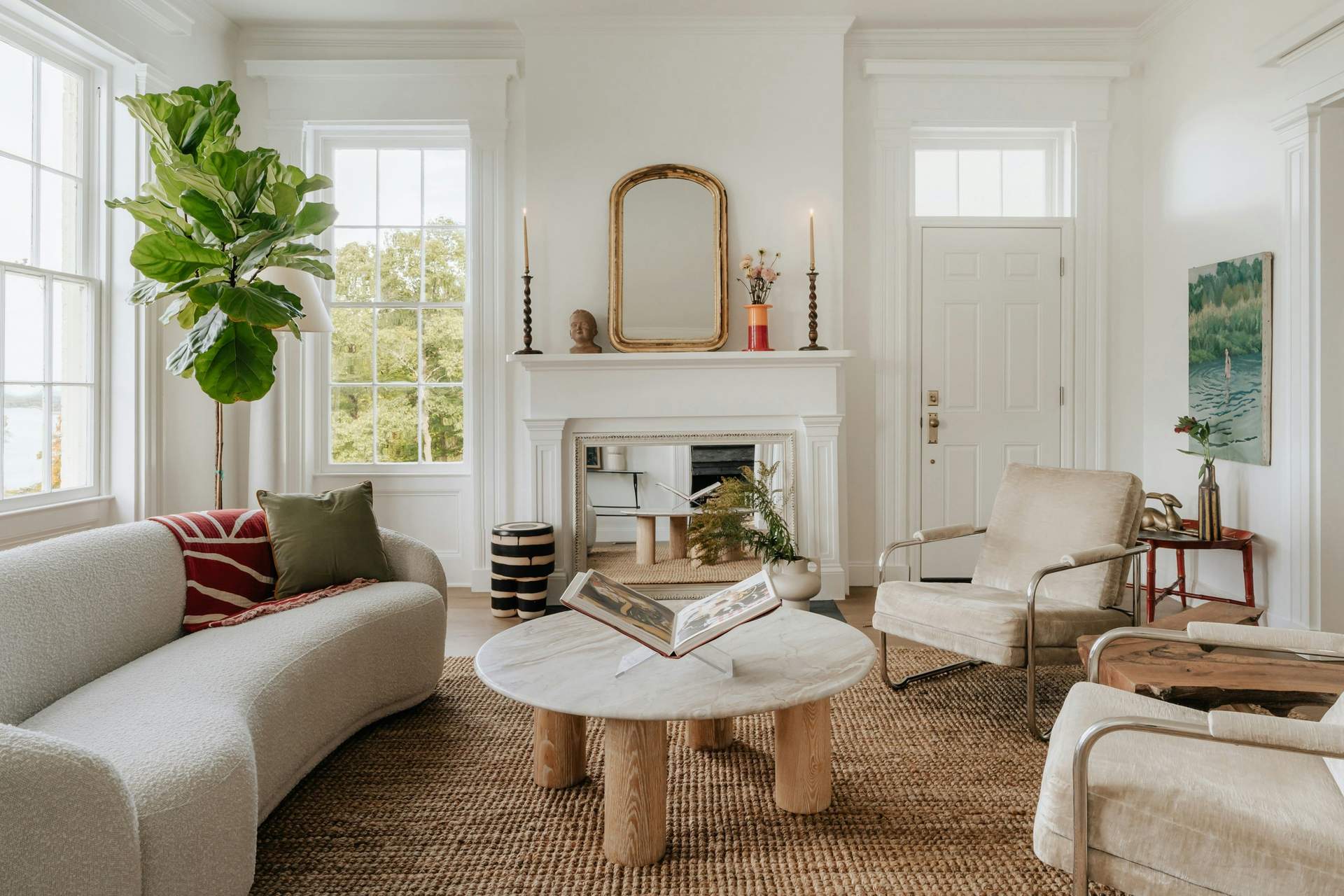
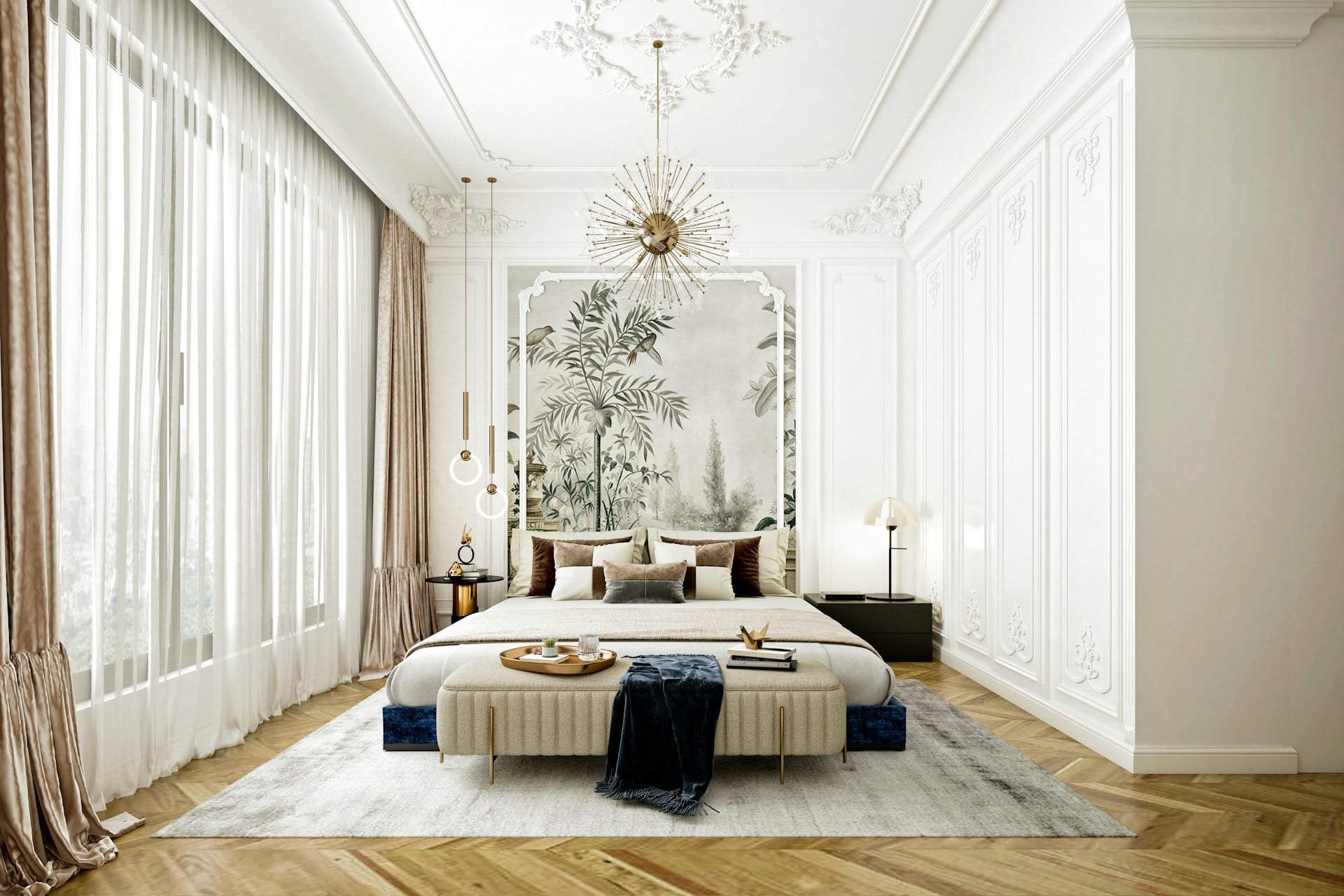
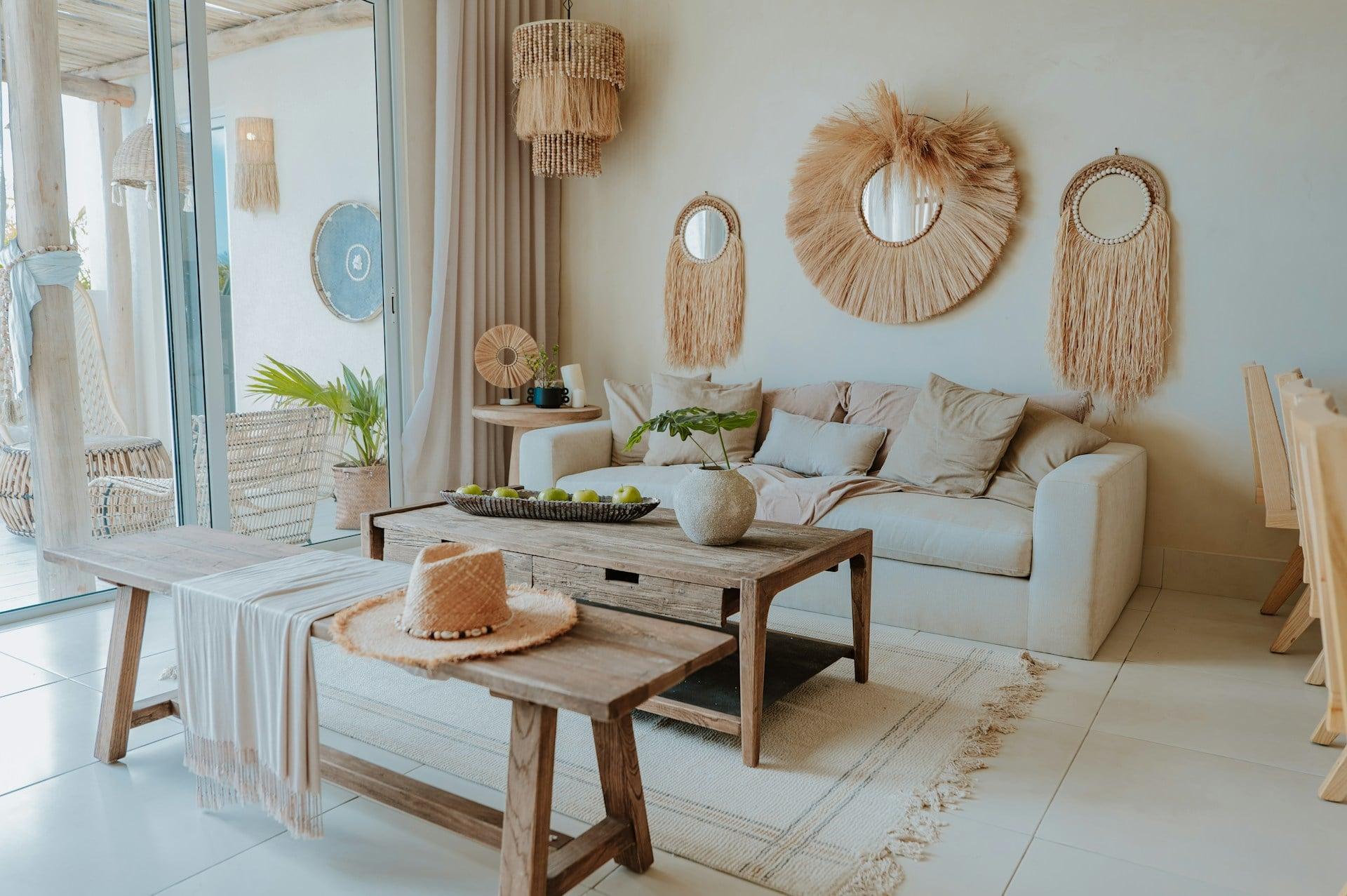
At its heart, this look is a mix of natural materials, faded tones and organic shapes. The goal is a space that feels genuinely lived in — a place where someone is clearly at ease. No unnecessary decor, no clutter. Just natural textures, soft colors and a kind of airiness that's hard to explain but easy to feel the moment you walk in.
Forget anything too white or too blue. This palette leans toward sand, ecru, pale gray, off-white and washed-out turquoise — the shades the sun and salt would have gently faded over the years, except here it's completely intentional.
If you'd rather not repaint, there's an easy shortcut: choose your textiles — cushion covers, curtains, throws — in these tones. The effect is immediate.
The materials that make or break it
This is where you can do the most with the smallest investment. Natural materials — linen, jute, rattan, raw wood, stone, terracotta — are what truly bring this aesthetic to life.
A jute rug in the living room. A rattan basket in the bathroom. A raw wooden plank turned into a shelf. Linen cushion covers. On their own, these are tiny decisions. Together, they completely transform the mood of a room.
Plastic accessories are the enemy of this style. Not because everything has to be expensive, but because it's the material that matters, not the price tag.
If you love the idea of layering warm, tactile pieces, you'll also enjoy our take on easy ways to cool and refresh a room naturally.
Why plants matter here
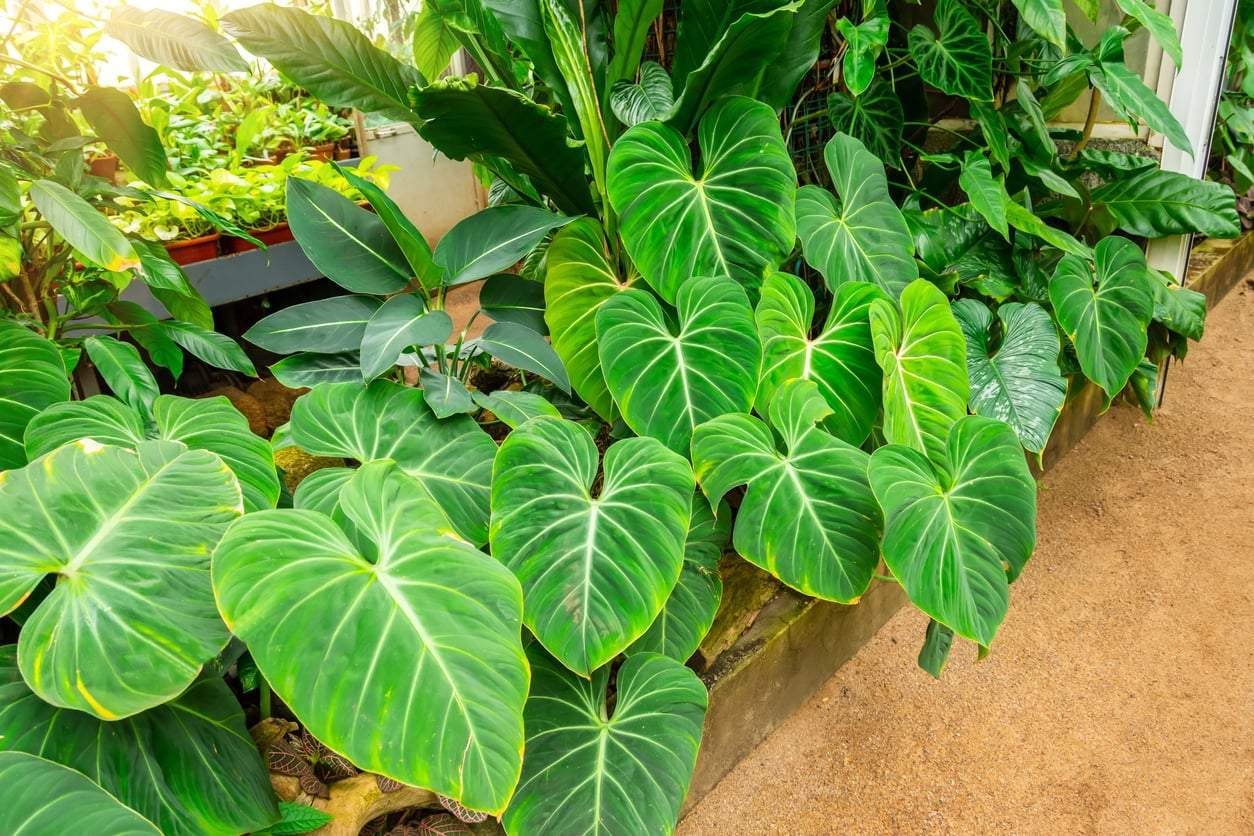
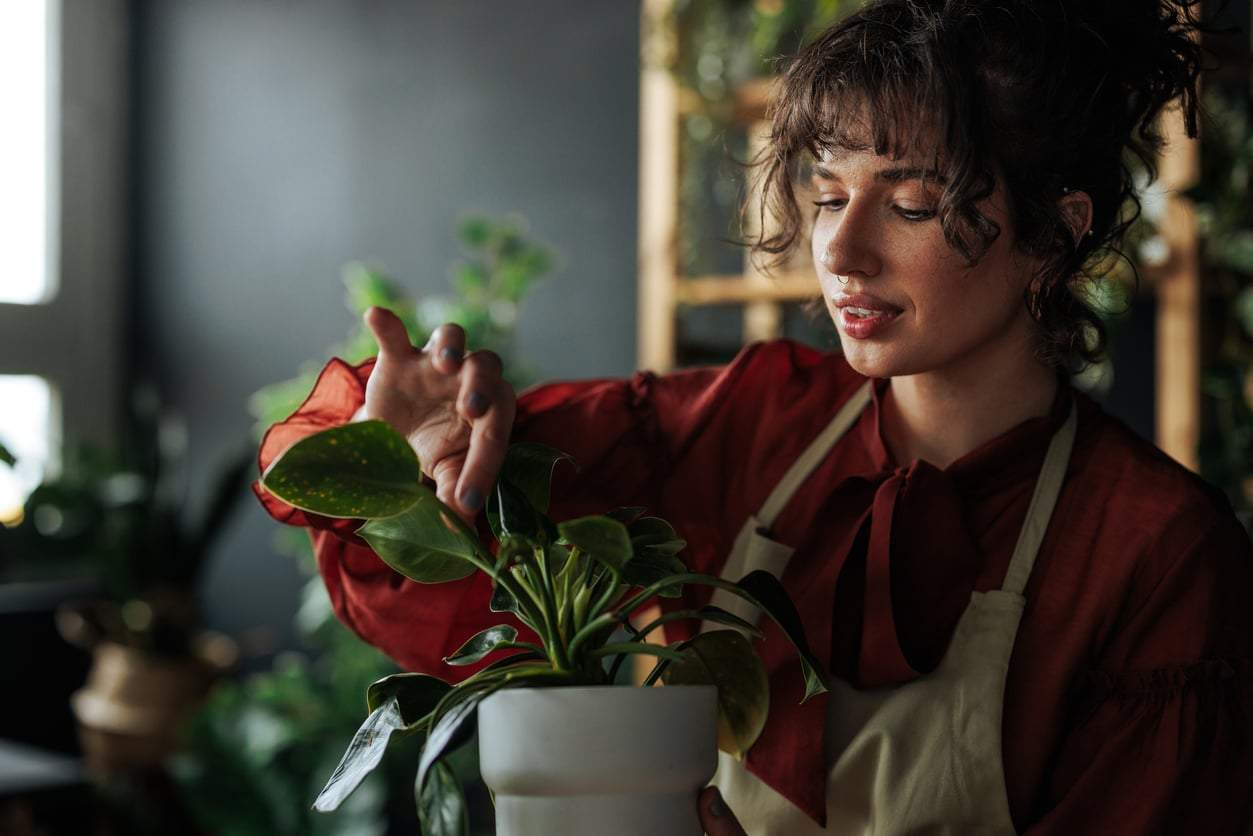
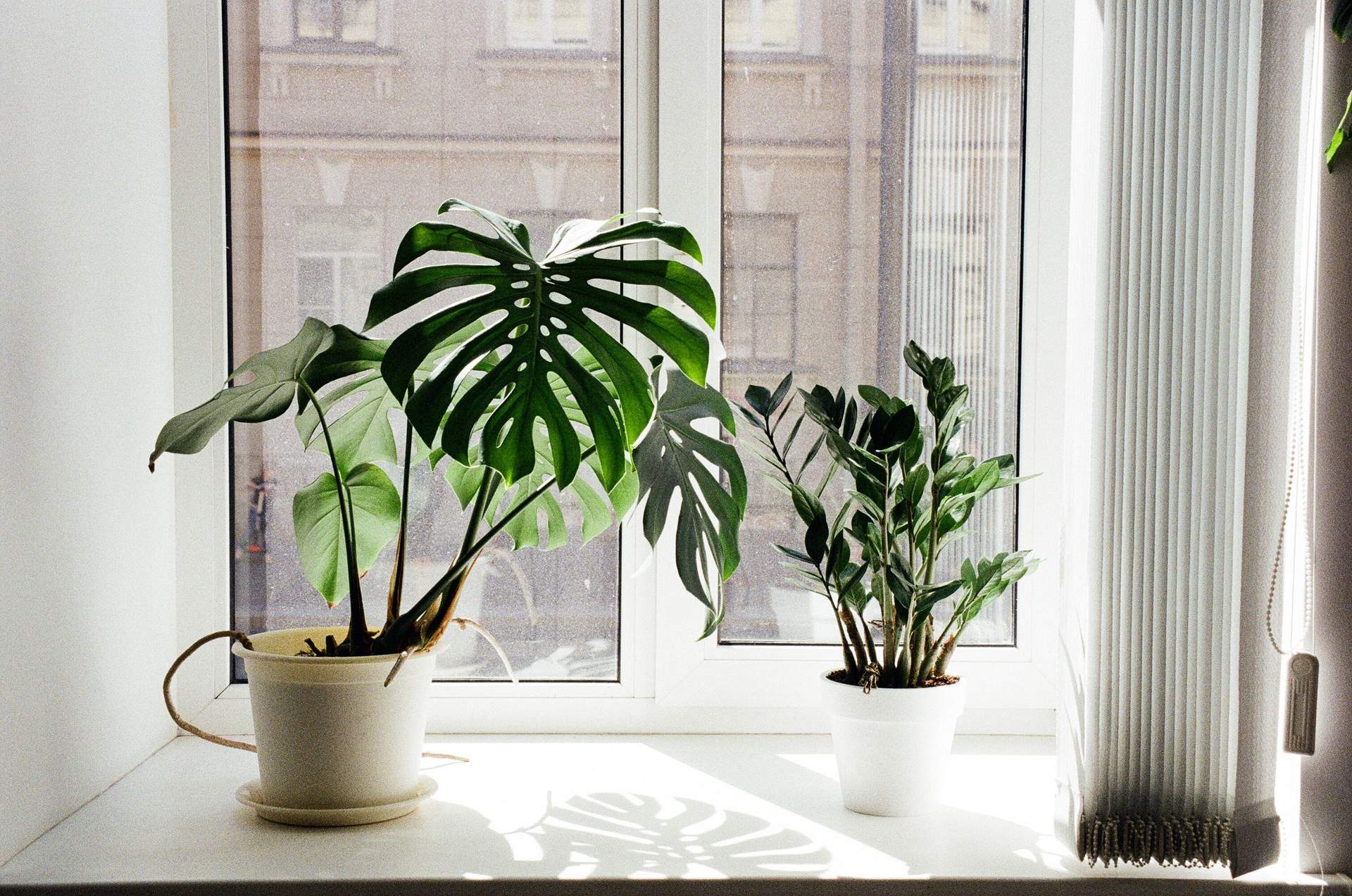
In this style, there's always something alive. Not necessarily a lot — but something. A large-leaved houseplant in the corner. A small cactus on the windowsill. Dried pampas grass in a simple vase.
Dried flowers and grasses fit especially well here, because they carry a certain timeless, slightly weathered beauty that echoes everything else in the room.
The small details that tie it all together
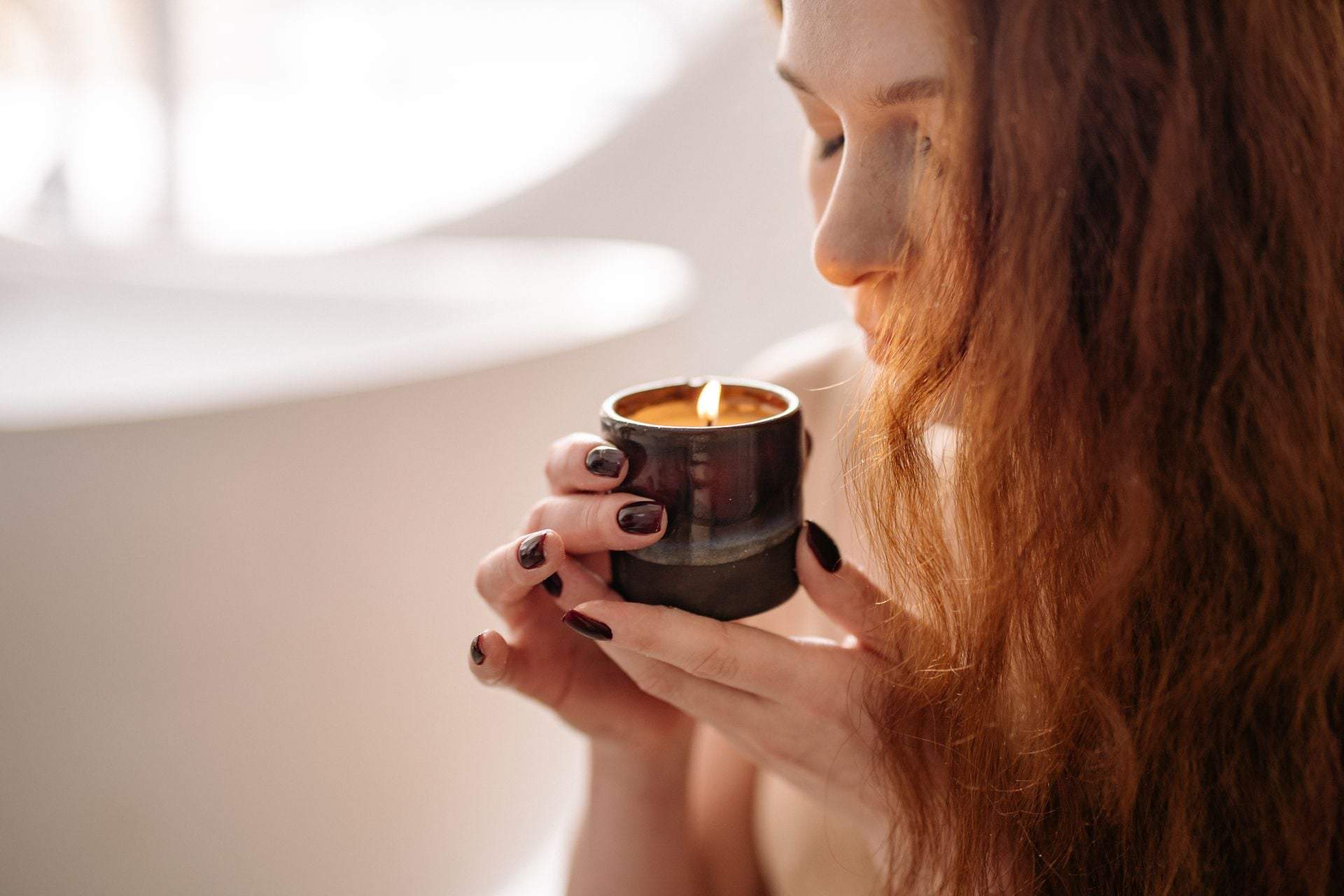
Shells — but in moderation. A piece or two as decor, not an entire collection. Try arranging a few around some candles in a bowl to instantly give your table a personal touch. These are the kinds of details that don't shout; they simply sit there quietly.
What makes the whole thing feel pulled together is that every piece brings the same energy. And if you happened to collect those shells on your travels, they'll do double duty — as decor and as a reminder of some of your happiest memories.
Why it works even in a city apartment
Because it isn't really about the sea at all. It's about the feeling the sea gives you — the fresh air, the calm, the slowing down. A well-chosen rug, a few natural textures and the right light can recreate that exact feeling in any city apartment.
You don't have to do it all at once. One room, one corner, one shelf is enough. This style only gets more beautiful the more naturally it comes together.
Do I need to repaint my walls to get this look?
Not at all. If you'd rather not paint, simply choosing your textiles — cushion covers, curtains and throws — in sandy, faded tones creates an immediate effect.
Is this an expensive style to achieve?
No. The materials matter far more than the price tag. Natural pieces like jute, rattan, linen and raw wood create the whole look with minimal investment.
What colors should I use?
Lean into sand, ecru, pale gray, off-white and washed-out turquoise. Think of shades that look gently sun-faded, and steer clear of anything too stark white or bright blue.
Can I really do this in a small city apartment?
Yes. The style is about a feeling of calm and airiness, not about having an ocean view. A single room, corner or shelf is enough to get started.