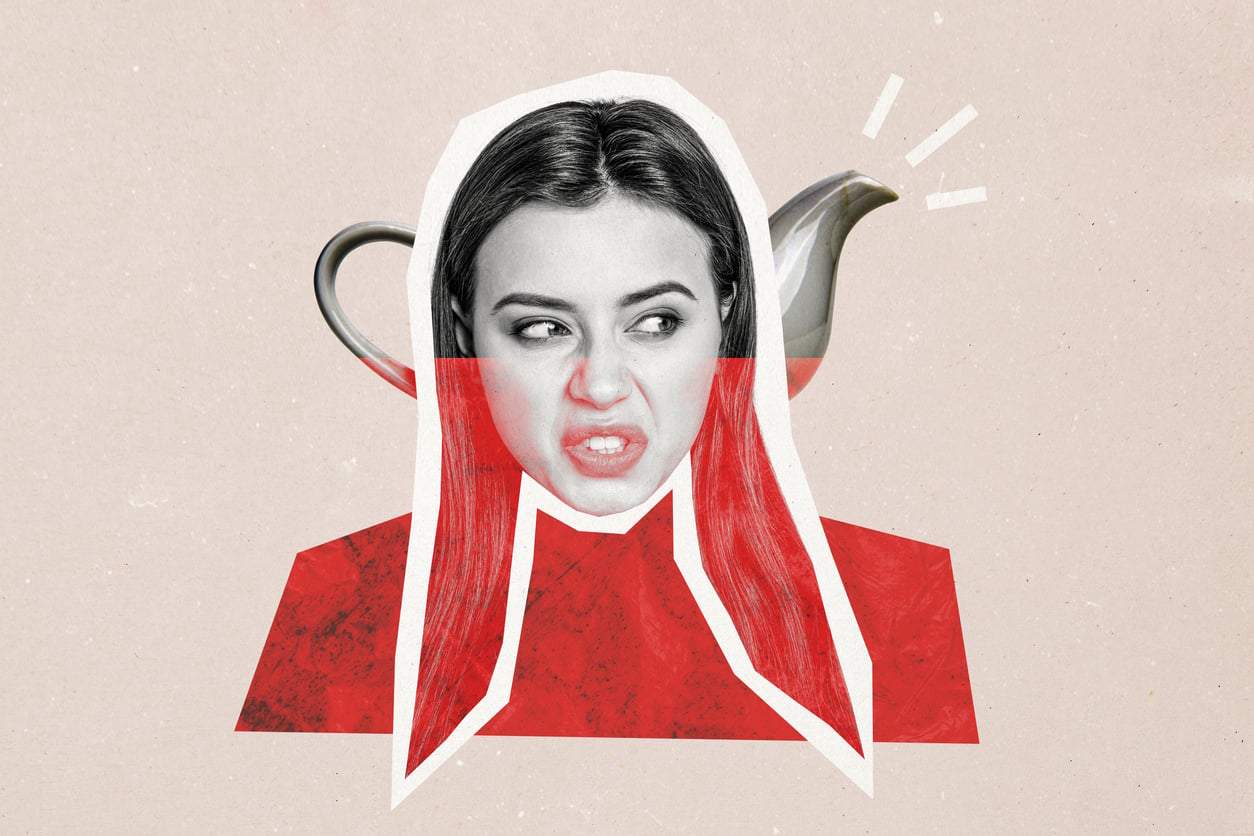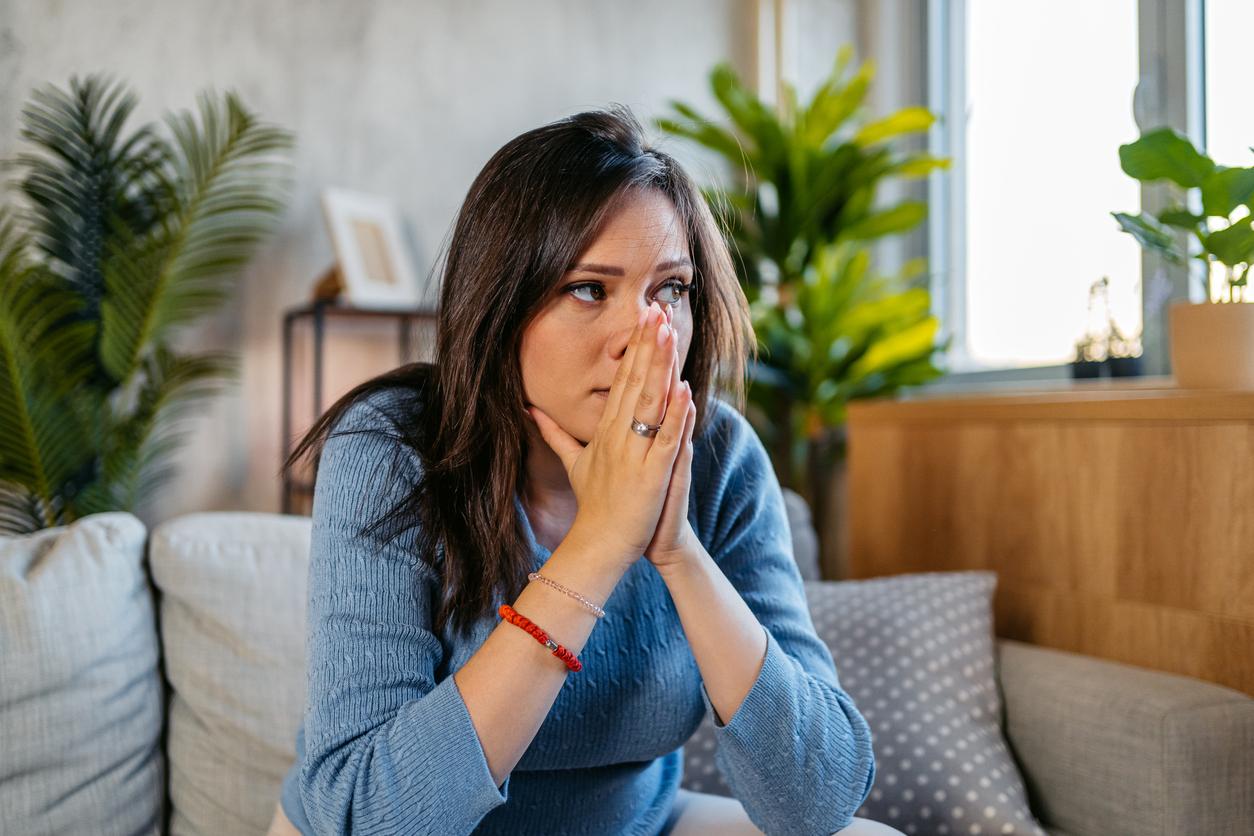
Our emotional balance can sometimes wobble, and it’s common to face low moods or even depression in daily life. But it’s key to understand the real differences between the two, as they matter not only for symptoms but also for how we approach care.
What Does Feeling Down Mean?
Feeling down is something many of us recognize—it’s a mood we encounter from time to time. Usually, this state passes within a few days without leaving lasting effects.
It’s often just a temporary low mood triggered by circumstances or hormonal changes.
Common signs include low energy, fatigue, less interest in activities, and a general emotional flatness that’s hard to pin down. Still, it’s important not to ignore these feelings—if they persist, it’s worth exploring what’s behind them.
The Deeper Shadow of Depression
Depression is a much more complex mental health challenge, not just a passing mood shift. It deeply affects daily life, and its symptoms don’t fade away in a few days. When someone is depressed, everyday tasks can become tough, and professional support is often needed.
Signs include persistent sadness, trouble sleeping or sleeping too much, difficulty concentrating, frequent crying, and sometimes questioning the meaning of life. These symptoms affect many parts of life and seriously lower quality of life.
How to Tell the Difference?
The line between depression and feeling down can be blurry, making diagnosis tricky. One key factor is duration: feeling down usually lasts a short time, while depression involves symptoms that stick around longer.
Also, pay attention to intensity. Feeling down can be uncomfortable, but depression can make it nearly impossible to enjoy many parts of life. If these tough periods happen often and feel stronger, it’s a sign to consider depression.
Why Help and Treatment Matter
Protecting your mental health means taking your feelings seriously. If mood changes last too long or impact your life deeply, don’t hesitate to seek professional help. Depression can be effectively treated with therapy, medication, or a mix of both.
Even when feeling down, lifestyle changes like regular exercise, good sleep, and healthy eating can make a big difference. These small steps boost your mood and help prevent more serious mental health issues over time.
Everyone faces tough times when life feels heavy. Remember, these feelings can be managed, and you don’t have to face them alone. Understanding the difference between depression and feeling down helps you recognize when to reach out and take care of your mental well-being.