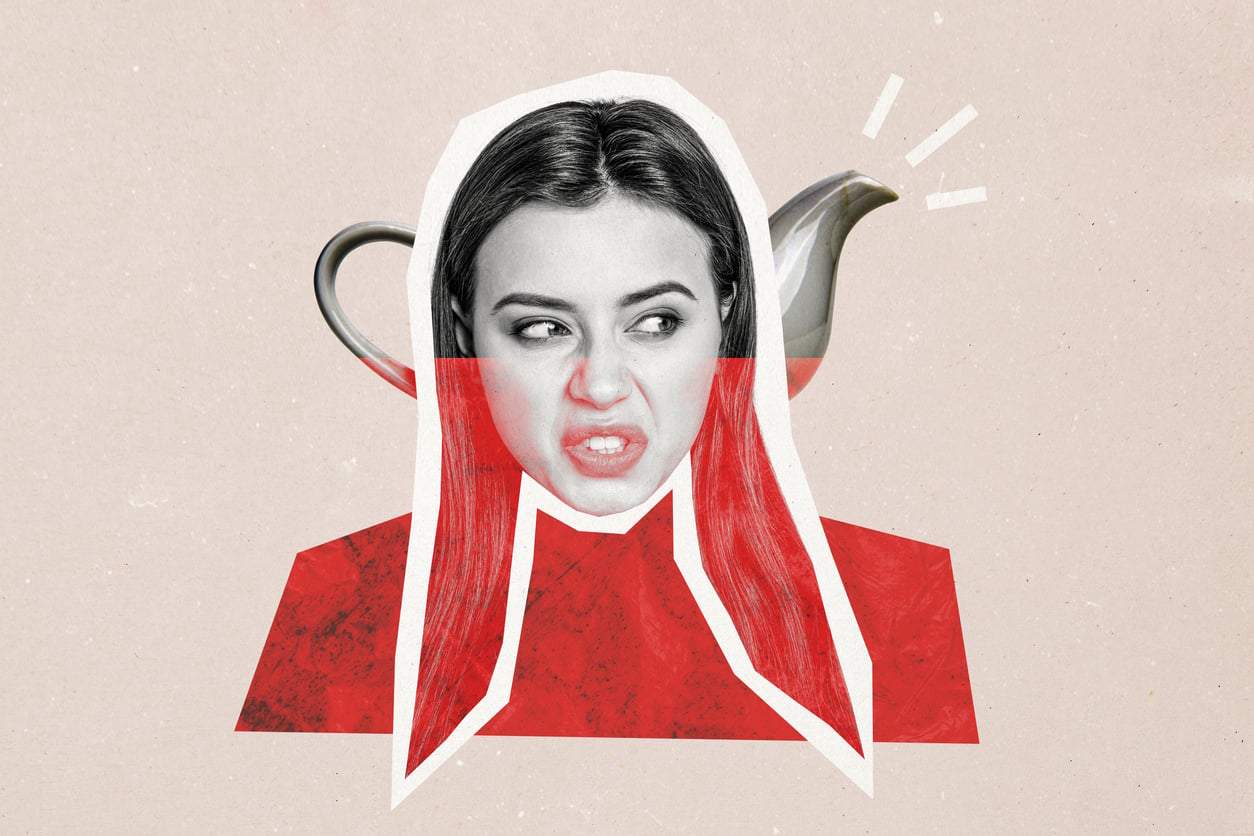
There’s an invisible switch in our lives that we’ve flipped almost without noticing. It didn’t happen overnight, nor was there a revolution or tech explosion—but it has fundamentally changed our everyday experience. This switch is tied to our attention, motivation, and sense of joy. We live in dopamine mode. It’s the state where chasing quick rewards, instant feedback, and small bursts of pleasure becomes the new normal. And while this might seem harmless at first, over time it quietly shapes our habits, relationships, and even how we relate to ourselves.
What’s really happening in our brains?
Dopamine is a key player in the brain’s reward system. It’s not pleasure itself, but the promise of pleasure. That inner nudge pushing us to act: check again, refresh, click, reply, scroll on. Our modern world is perfectly tuned to this mechanism. Notifications flash with red dots, social media algorithms serve personalized content, and streaming platforms auto-play the next episode.
There’s no downtime, no silence, no waiting. Reward is always just one move away.
The problem isn’t the existence of dopamine. We need it to learn, reach goals, and grow. The issue starts with balance. When quick, low-effort rewards crowd out experiences that require time, patience, and persistence. Reading a book, completing a long project, having a deep conversation—these are slower but more lasting sources of joy. Yet in dopamine mode, our brains increasingly favor fast impulses. Short videos over long thoughts. Reactions over reflection.

What "reward hunger" looks like in everyday life
This pattern doesn’t just reshape our free time—it changes how we work. It’s harder to focus deeply. Attention fragments into short bursts. While working, we keep one eye on notifications.
An incoming message is a tiny reward, a new like a micro-acknowledgment.
Our brain learns that there’s always something more exciting in our pocket than the focused, seemingly dull task at hand. So procrastination isn’t laziness—it’s conditioned behavior.
The dopamine mode’s impact shows up in our relationships, too. Checking the phone during conversations isn’t just rude—it’s a symptom. The immediate stimulus feels stronger than the quiet value of presence. Dating becomes a simple swipe right or left, and meeting new people turns into an endless list of options. The illusion of abundance paradoxically lowers commitment. If there’s always a newer, better, more exciting option, why stick with less intense but deeper experiences?

Why "just putting down the phone" isn’t enough
Interestingly, the more rewards we get, the less special they feel. The dopamine system adapts. What was exciting yesterday feels normal today. This adaptation explains why we keep raising the bar for stimulation: more content, faster cuts, stronger impulses. Meanwhile, we struggle to enjoy silence, boredom, and doing nothing. Yet these states are where creativity and self-reflection can truly emerge.
“Reward addiction” isn’t a classic addiction but a culturally reinforced way of operating. It’s not a personal weakness but a system-wide phenomenon.
We live in an environment that profits from our attention and constantly competes for it.
The question isn’t whether we can completely escape this, but whether we can become aware of how it works. Can we recognize when we choose the easy reward over true value?

Small steps back to deeper joy
The way out doesn’t start with a radical digital detox, but with small choices. Like not grabbing your phone first thing in the morning. Giving yourself time to finish a thought. Allowing boredom without immediately filling it. These moments might feel uncomfortable at first because our brains are used to constant stimulation. But over time, they build inner stability.
Recognizing dopamine mode isn’t about demonizing modern technology. It’s about understanding that our nervous system isn’t built for endless streams of stimulation. To reclaim our attention, time, and access to deeper joy, we need mindful balance—habits that offer not just quick rewards but lasting satisfaction.

Ultimately, the question is simple but tough: what’s in control? Do we decide where to focus our attention, or does the next dopamine hit? Our everyday small choices draw the answer. And maybe the first step is realizing we don’t have to respond to every stimulus. Sometimes the greatest freedom is in not clicking.