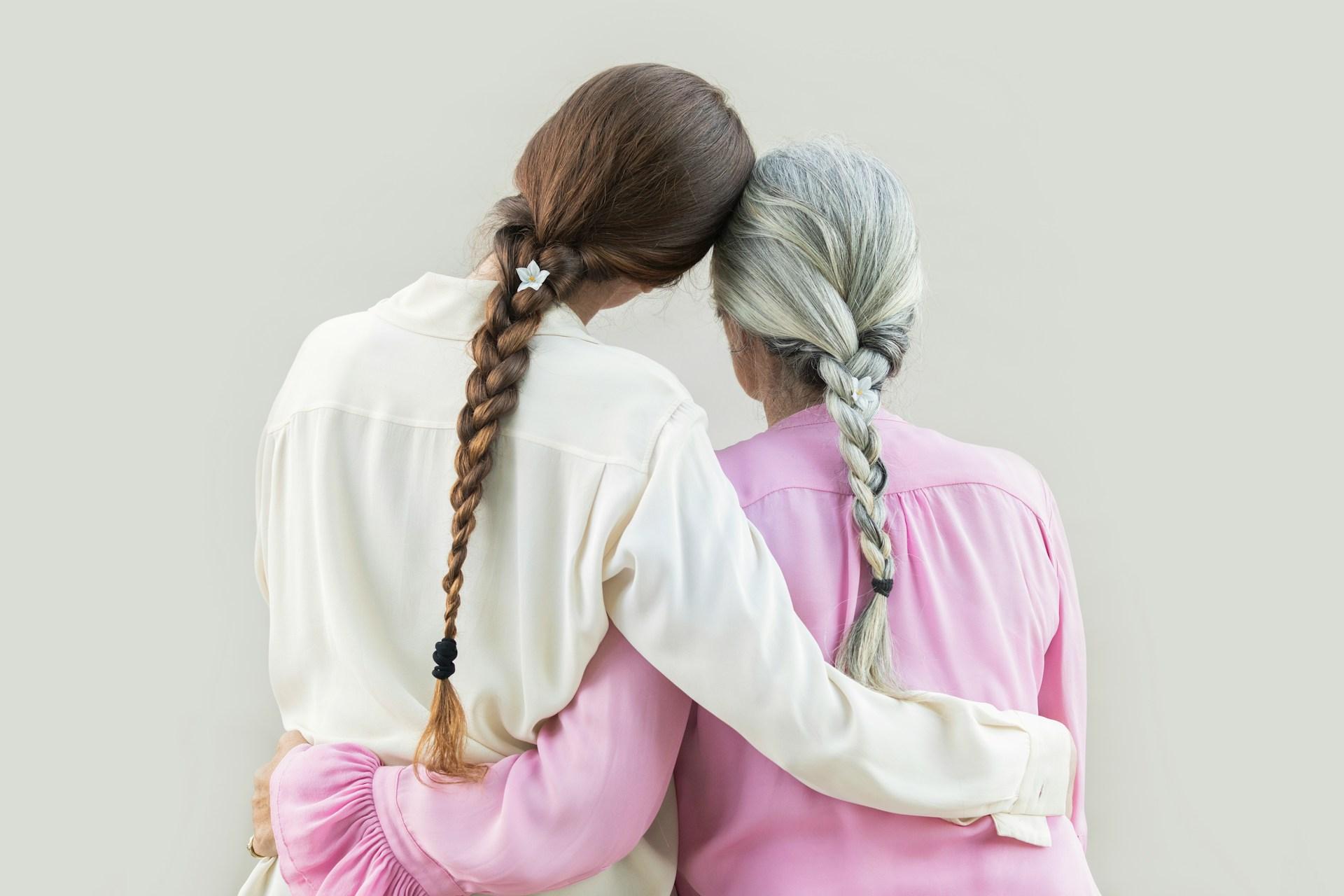
I don’t believe every childhood trauma must be forgiven. Not at all. Some wounds take time, and some pains don’t deserve a free pass just because they came from good intentions. Everyone has the right to their own feelings, anger, and healing process when it comes to trauma.
That said, I’m seeing more and more moms today harshly judging the generation before them for choices that, even if flawed, I don’t believe were made with bad intent.
In online groups, posts, and comments, you’ll hear: “My mom messed up this and that, but we already know what’s best.” The tone often isn’t about healing or understanding but about sharp, judgmental distancing—as if we desperately need to prove we’re doing better.
The truth is, most moms—whether from the previous generation or this one—don’t act out of bad intentions. They do what they believe is best.
Whether it was sleep training by letting babies cry it out, strict two-hour feeding schedules, or tough rules, these weren’t because our moms didn’t care. They followed what was considered right then—advice from nurses, books, doctors, neighbors, TV, and social norms. They lived in that system and tried to give us their best within it.
And us? We’re doing the same.
Only now, the “best” looks different. Science, trends, advice, books, and influencers have changed. Today, we believe responsive care, co-sleeping, babywearing, reflective parenting supported by questionnaires, and healthy emotional communication are the way to go because that’s what’s recommended.
But honestly, we’re just as clueless as our moms were. We’re all just trying to keep our heads above water in this amazing, scary, uplifting, and sometimes overwhelming tsunami called motherhood.

The only difference is we follow a different era’s advice and hope we’re not messing up something our kids will call us out on twenty years from now. Realistically, some things we do today with full confidence might later turn out not to be the best. Science evolves, recommendations shift, and people’s thinking changes. What feels certain today might be debated tomorrow.
That’s why, when our kids grow up, I hope they’ll think: “Mom wasn’t perfect, but she did the best she could.”
That they’ll understand we didn’t make mistakes on purpose or mean to cause pain. We were simply people trying to raise them with the knowledge, tools, and circumstances we had at the time.
So if we expect that from them, why can’t we offer the same grace to our own moms?
Why is it so hard to accept they didn’t know better? That they were just as caught up in societal expectations and just as uncertain as we are now? Why is it so easy to blame them for doing what they believed was right?
This doesn’t mean we can’t work through past hurts. It doesn’t mean everything is forgivable or that we can’t be angry. But alongside anger, there’s room for understanding—recognizing our moms mothered in a world with very different information, opportunities, and social frameworks.
It’s not worth staying in a constant battle with the past. Because, in the end, none of us really know what we’re doing. We just love our kids and hope we’re good enough—just like our moms hoped.