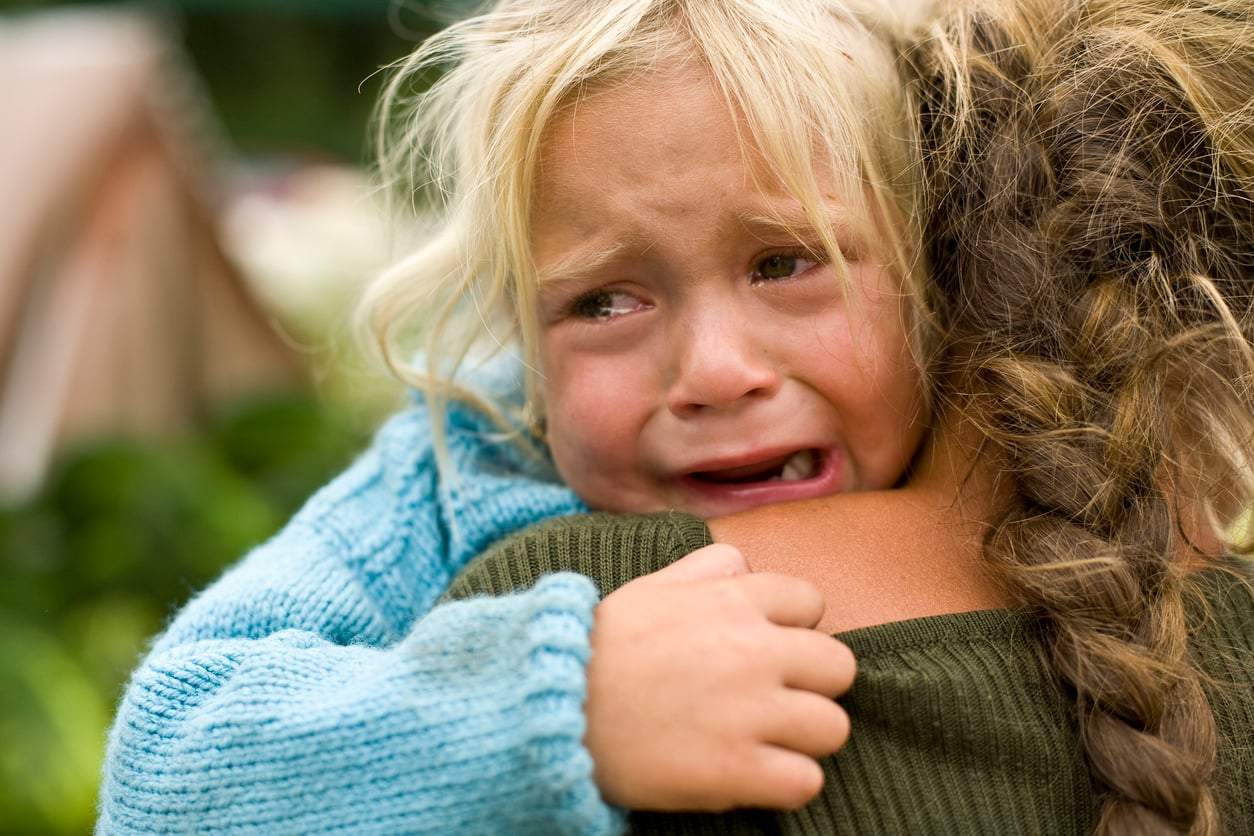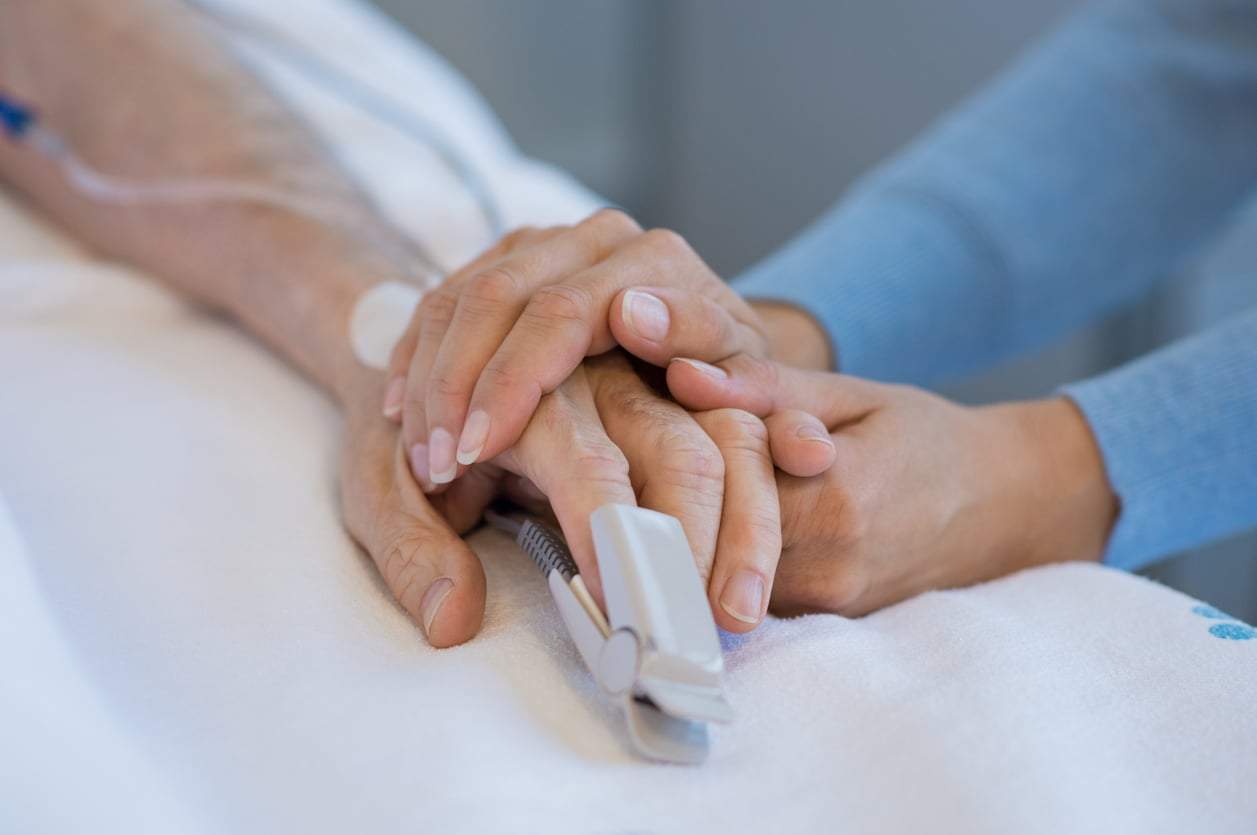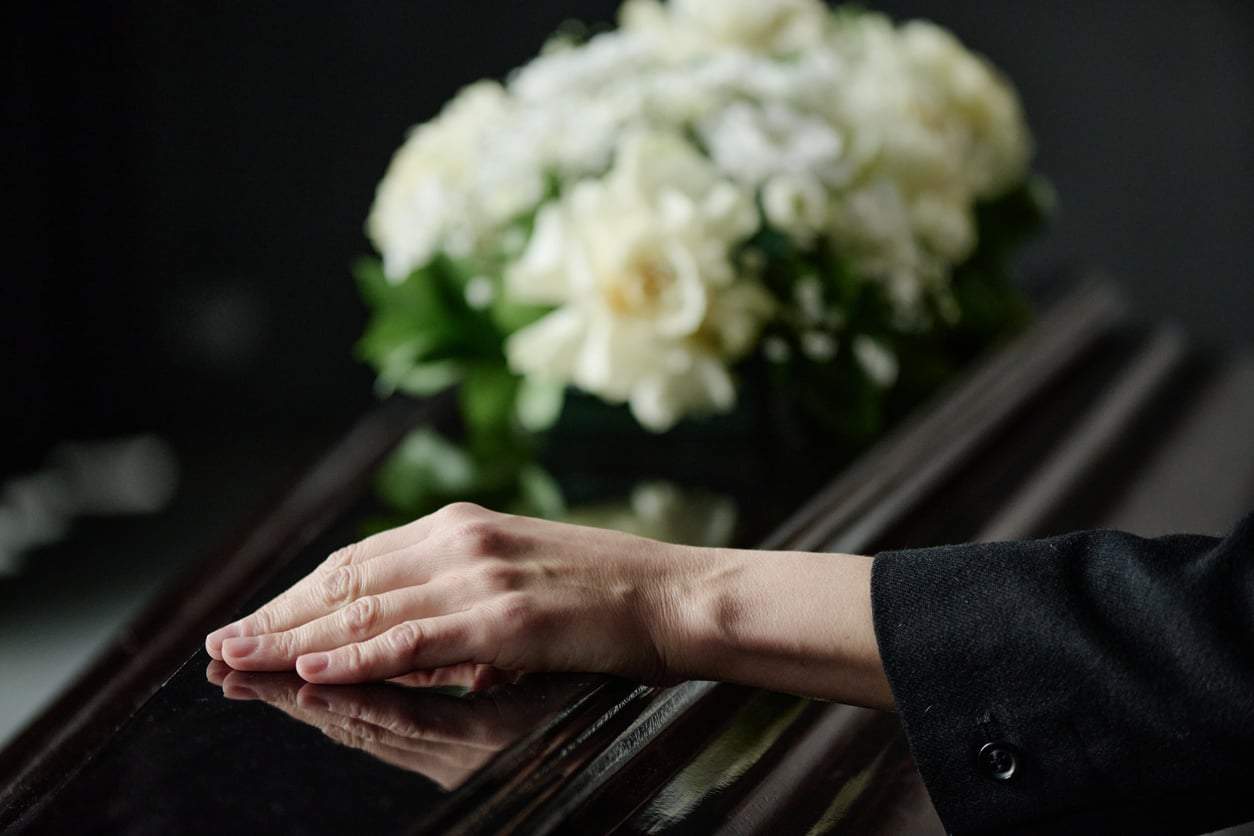
When I was a kid, it was clear what happened when we lost someone. There was a funeral, a grave, a specific spot on the map to visit again and again. Grief had its own space, separate from everyday life. Though painful, it gave us a frame to hold onto. Today, that frame is fading. With cremation becoming more common — and funeral costs rising sharply — many families choose to bring ashes home instead of burying them.
But are they really in the right place?
A friend’s mother passed away suddenly within weeks. When I asked about the funeral, she smiled awkwardly and said there wouldn’t be one. She was cremated, and the urn is already at home. While this isn’t yet the norm, the idea didn’t feel strange to me. Our little dogs’ ashes are at home too. Of course, losing a pet isn’t the same as grieving a parent, but the principle is similar. The wound is still fresh, and while we might scatter the ashes someday, for now it’s comforting to have a little sanctuary at home, a quiet corner for remembering.
Instead of a cemetery, the living room — what are we really seeking?
Grief used to have a designated place: the cemetery. Now many choose closeness instead. The feeling of “being at home” offers safety, as if the loss isn’t final, as if the bond isn’t completely broken. The urn then becomes more than an object — it’s an emotional anchor in our own space.
At first, this closeness can be deeply soothing: some talk to the ashes, others glance at them each morning before leaving home.
These small rituals can help us survive the toughest times. The real question is what happens later, and how long it’s healthy to keep this state going…
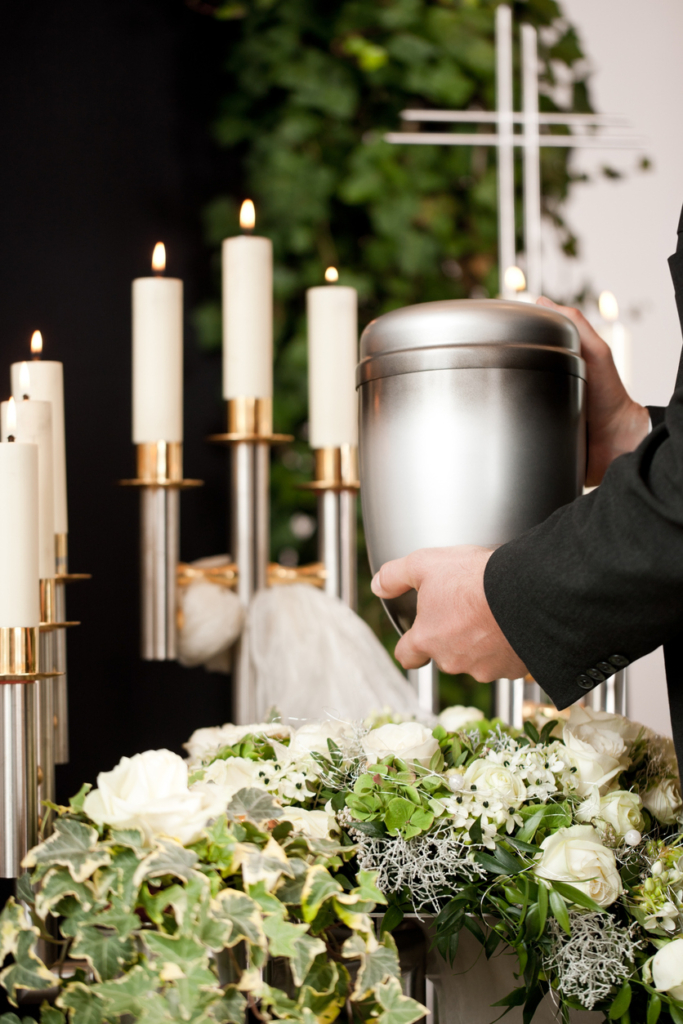
Does it help us move on, or quietly keep us stuck?
Home is where life happens. The living room holds laughter, arguments, celebrations, and plans. But when the symbol of death is always present — on the bookshelf or elsewhere — it affects us, even if we don’t consciously notice. Environmental psychology tells us our surroundings send constant messages to our nervous system, whether we pay attention or not.
Without clear boundaries, grief can become a loop that never closes. Not because we don’t want to move on, but because every day we physically and emotionally encounter the absence again.
In the heart of painful grief, this might seem minor, but it’s true: ashes kept at home affect not only the mourner but the whole family. For a young child, the idea can be scary — like “grandpa is in the vase” — even if we never say it that way. Visitors often feel unsure too: is it okay to laugh? Is it appropriate to be loud in a space partly reserved for remembrance?
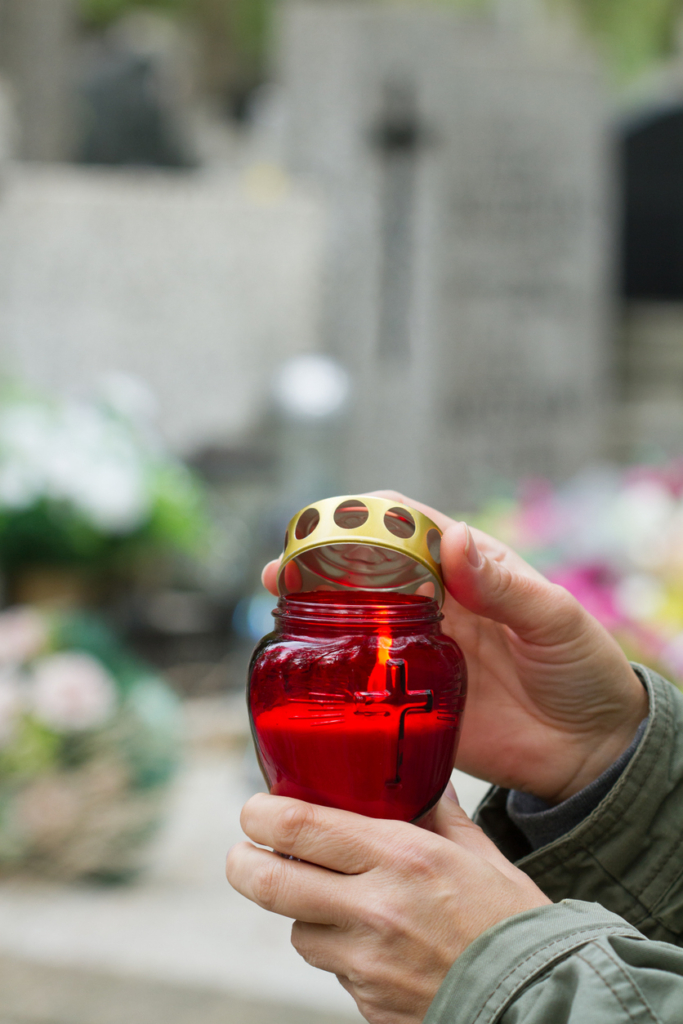
There’s a less spoken consequence too: when we keep ashes at home, remembrance can become a private matter. Relatives and friends may miss a shared, neutral place to quietly honor the lost loved one. This can cause tension, hurt feelings, or a sense of loss, especially among parents, grandparents, or close family.
This doesn’t mean keeping an urn at home is a bad choice, but it does mean we need to consider several factors thoughtfully.
There are other ways to remember
It’s important to say: letting go isn’t forgetting. We can honor memories without keeping physical remains or visiting a grave. For some, planting a tree keeps the connection alive; for others, a photo, a piece of jewelry, or a meaningful object does the same. Sometimes, the memory itself is what lasts.

There’s no single right answer about the “best place” for ashes, but we owe it to ourselves to honestly ask: does this choice help us heal and move forward, or quietly keep us stuck in pain?