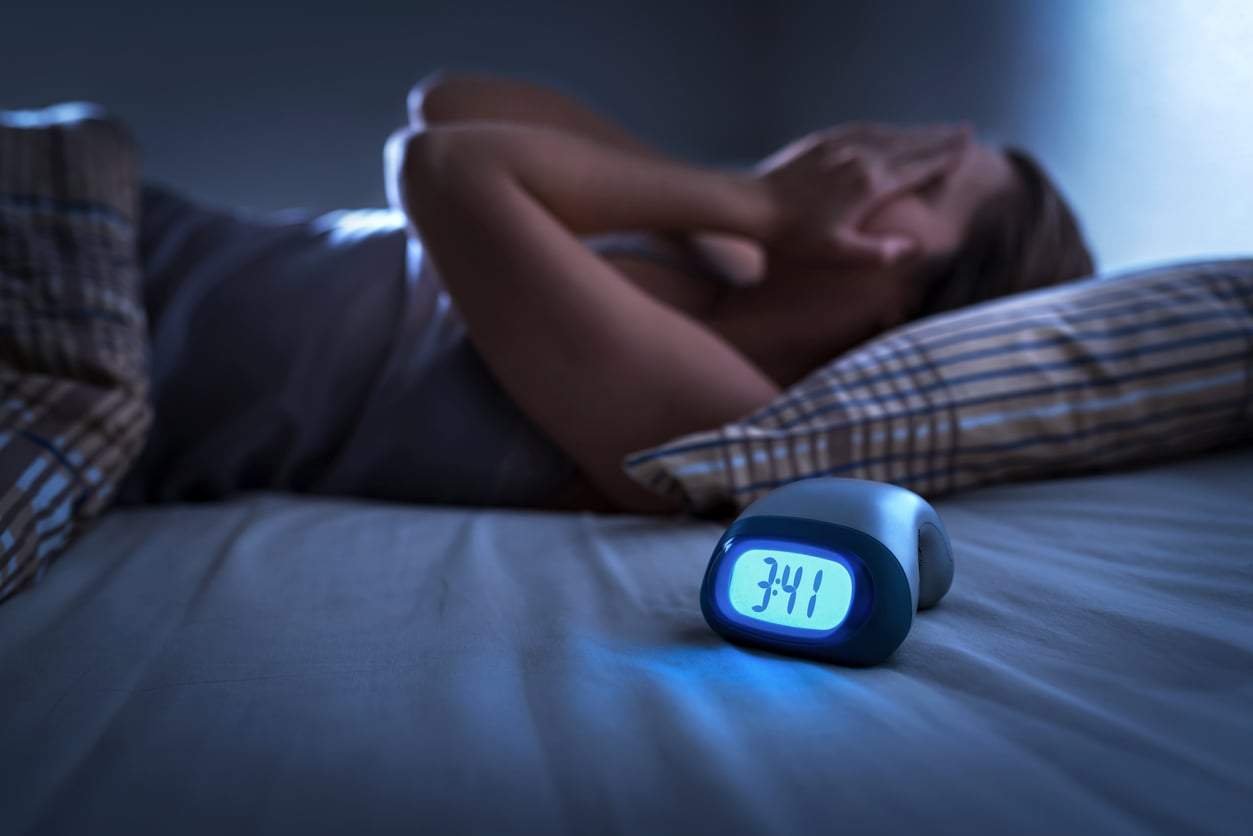
Have you ever woken up feeling like you didn’t sleep a single minute, even though you clearly remember you did? This isn’t just your imagination. More and more studies reveal the existence of paradox insomnia, where the brain and consciousness don’t quite agree on when you’re asleep or awake.
The Woman Who Slept but Didn’t Know It
In 2018, researcher Hannah Scott observed a woman’s sleep in a lab setting. The participant was hooked up to machines measuring brain waves, eye movements, heart rate, and muscle activity. About thirty minutes in, the EEG showed the woman was clearly asleep—her brain waves slowed and deepened.
The woman slept deeply for a while, then suddenly woke up to use the bathroom. To her surprise and disappointment, she said she felt like she hadn’t slept at all. But Scott had just seen her resting for hours. This is paradox insomnia—when someone is asleep but feels wide awake, as reported by The Guardian.
Why Might You Feel Like You Didn’t Sleep?
Paradox insomnia affects many people with sleep difficulties. Someone might say they barely slept, while a sleep lab shows they actually got a normal 7–8 hours. So how can someone feel rested when they’ve clearly spent enough time sleeping but don’t realize it?
People with insomnia often struggle to fall asleep, wake up frequently, and don’t feel refreshed. Interestingly, total sleep time often isn’t much different from good sleepers: some studies show insomniacs sleep only about 23 minutes less per night than healthy sleepers.
The issue isn’t just the hours but how the brain perceives sleep. Some simply don’t register that they slept—their memory seems to erase those sleepy moments.
How to Recognize It in Yourself
We’ve all had moments where we go to bed tired but feel like we didn’t sleep a second.
Those with paradox insomnia often feel unrefreshed even after two hours of sleep and may sense they’re awake during REM sleep, while good sleepers clearly feel their sleep.
What Happens in the Brain?
It was once thought insomniacs misperceived their sleep. But modern brain imaging shows they may experience a “semi-sleep” state with mixed signals of sleep and wakefulness. EEG often misses subtle “alert” activities that could explain this paradoxical feeling.
What Can Help?
Cognitive behavioral therapy is effective for treating insomnia, including paradox insomnia. It’s key not to stress too much about sleep quality—constant worry only makes things worse.
Another approach, paradoxical intention, suggests not forcing sleep but letting it come naturally. This helps your mind finally accept you’ve rested, even if your inner sense says otherwise.
Sleep Holds More Surprises Than We Think
Paradox insomnia reminds us that sleep is a mysterious, complex process. We don’t always know exactly when we’re asleep or awake. Sometimes rest is invisible but real—we just need to learn to trust it happened.