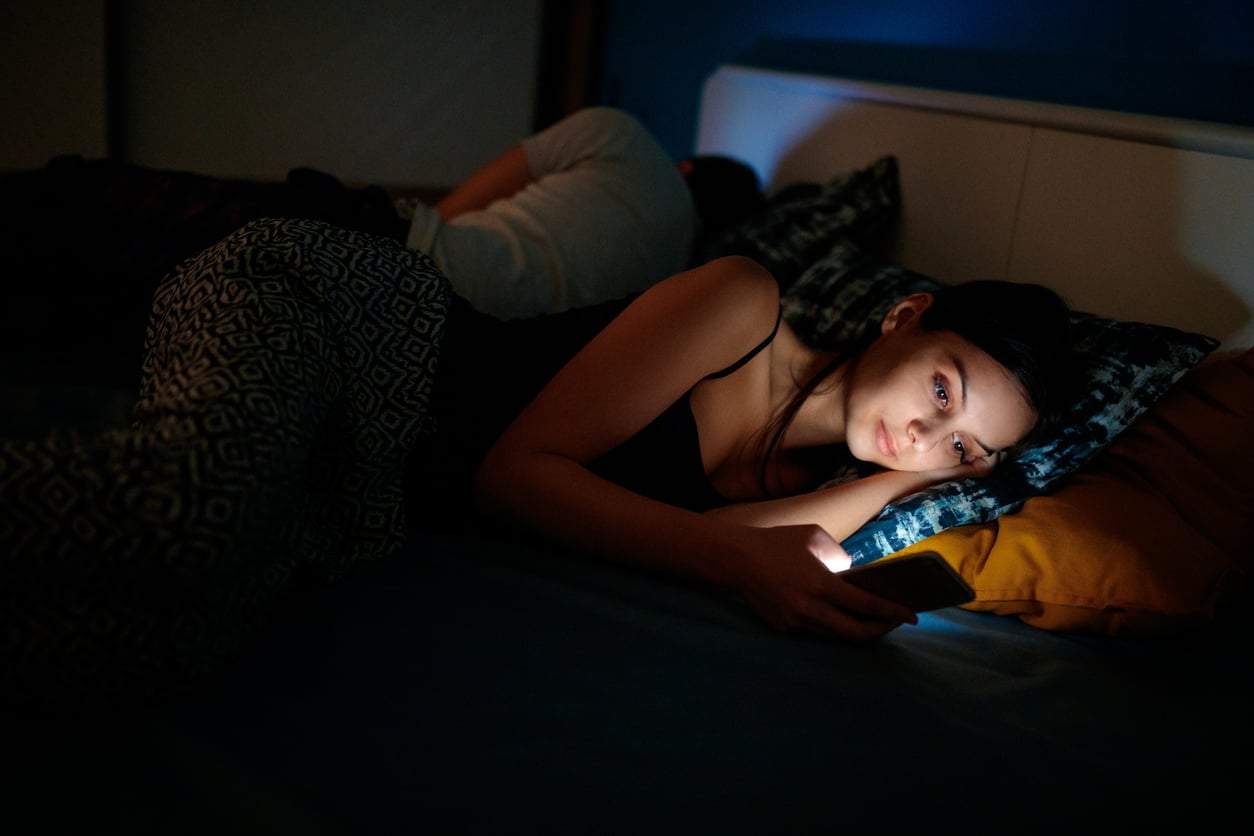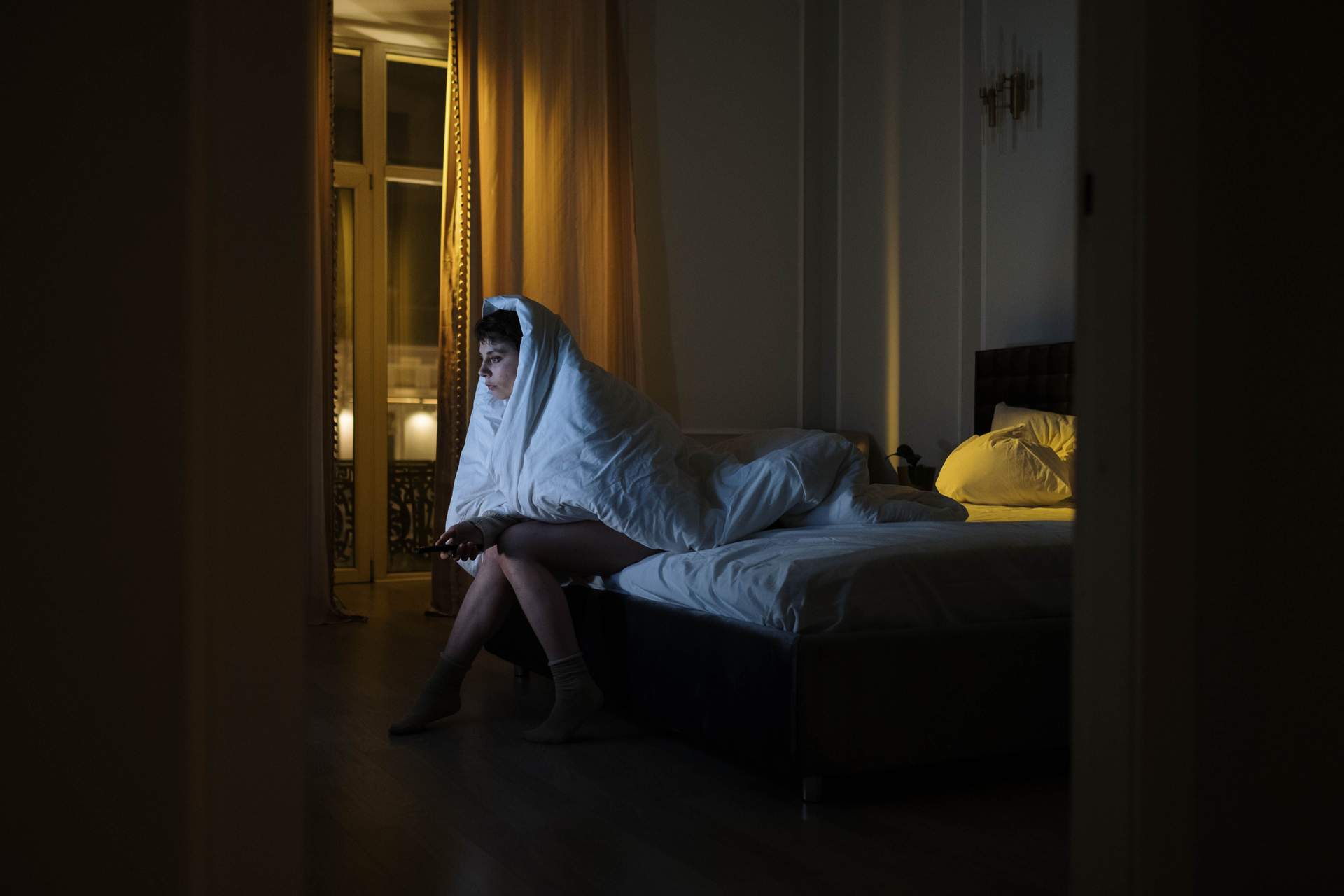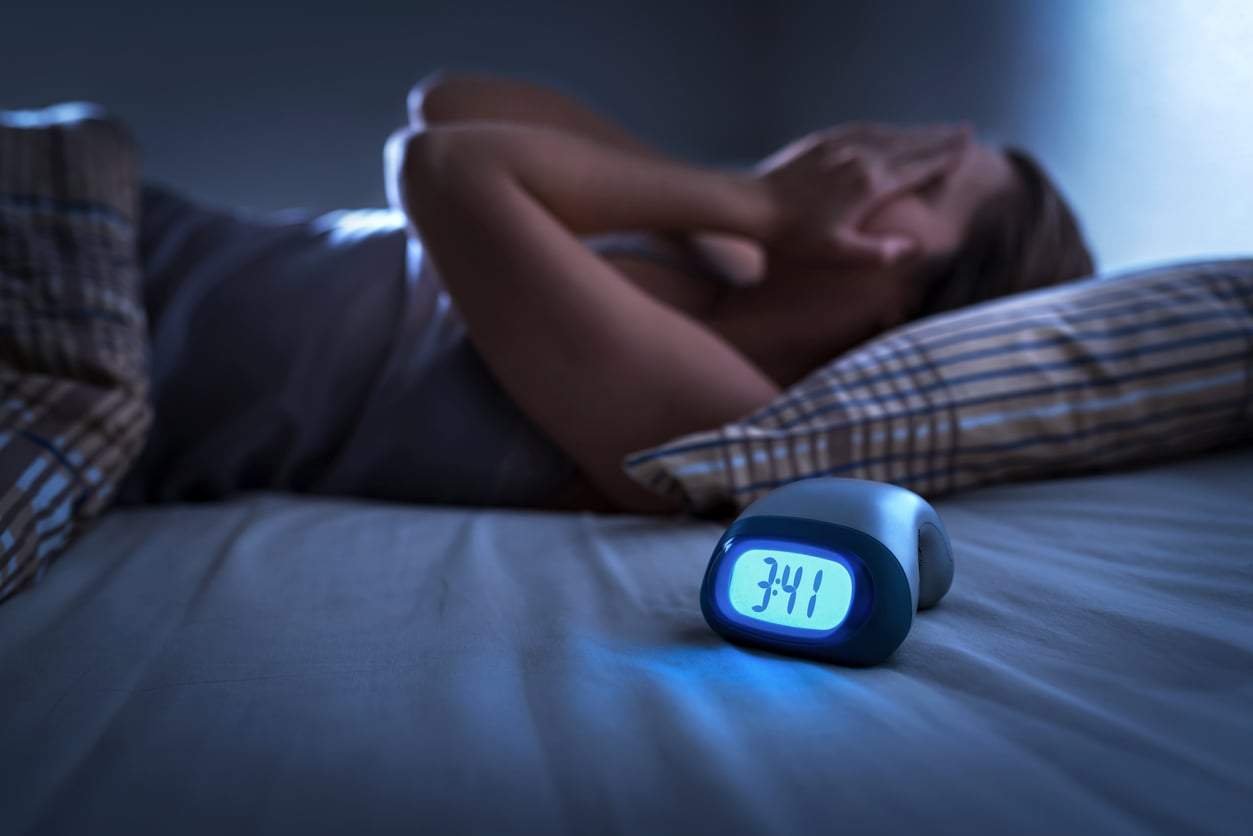
We’ve all been there: after a long day, you lie down, turn on the TV for some background noise, and wake up hours later to find the screen still glowing—and you feel oddly exhausted. While it seems harmless, falling asleep next to the TV actually impacts your brain’s function deeply, and not in a good way.
Your Brain Doesn’t Know It’s Time to Rest
Your brain operates in patterns. When it’s dark and quiet with few distractions, it naturally switches to “sleep mode.” But the TV interrupts this process, bombarding your nervous system with changing lights, sounds, and conversations. Even if you feel asleep, part of your brain stays alert as it tries to process what it’s hearing and seeing.

Half-Asleep: When You’re Not Really Sleeping
Falling asleep with the TV on often means you don’t reach the deeper stages of sleep, or only briefly. This “light sleep” state makes it easy to wake up, leaves you feeling tired in the morning, and makes focusing during the day harder. Your brain doesn’t get enough time to recharge, process the day’s events, or clear out unnecessary info.
Many think that once they’re asleep, TV noise doesn’t matter. But your brain still senses sounds while you sleep. Sudden volume changes, commercials, music, or emotional scenes can cause micro-awakenings—brief disruptions you don’t remember but that break your sleep’s flow.
It’s like someone gently nudging you all night long—you might not fully wake up, but you definitely feel it the next morning.
Light Disrupts Your Internal Clock
The TV’s light, especially its blue tones, signals to your brain that it’s not yet bedtime. This blocks melatonin production, a key hormone for sleep. The result? Harder time falling asleep, more frequent night awakenings, and a shifted sleep-wake rhythm. Over time, this can throw off your internal clock, affecting your mood, energy, and even your immune system.
Why Do We Still Get Used to It?
For many, the TV provides a sense of security. Background noise drowns out silence, which can amplify racing thoughts. Whether it’s loneliness, anxiety, or an overactive mind, some find it hard to fall asleep in quiet. The TV doesn’t help you sleep—it distracts you from inner tension. It can feel calming short-term but harms sleep quality over time.
What Your Brain Gains When You Turn It Off
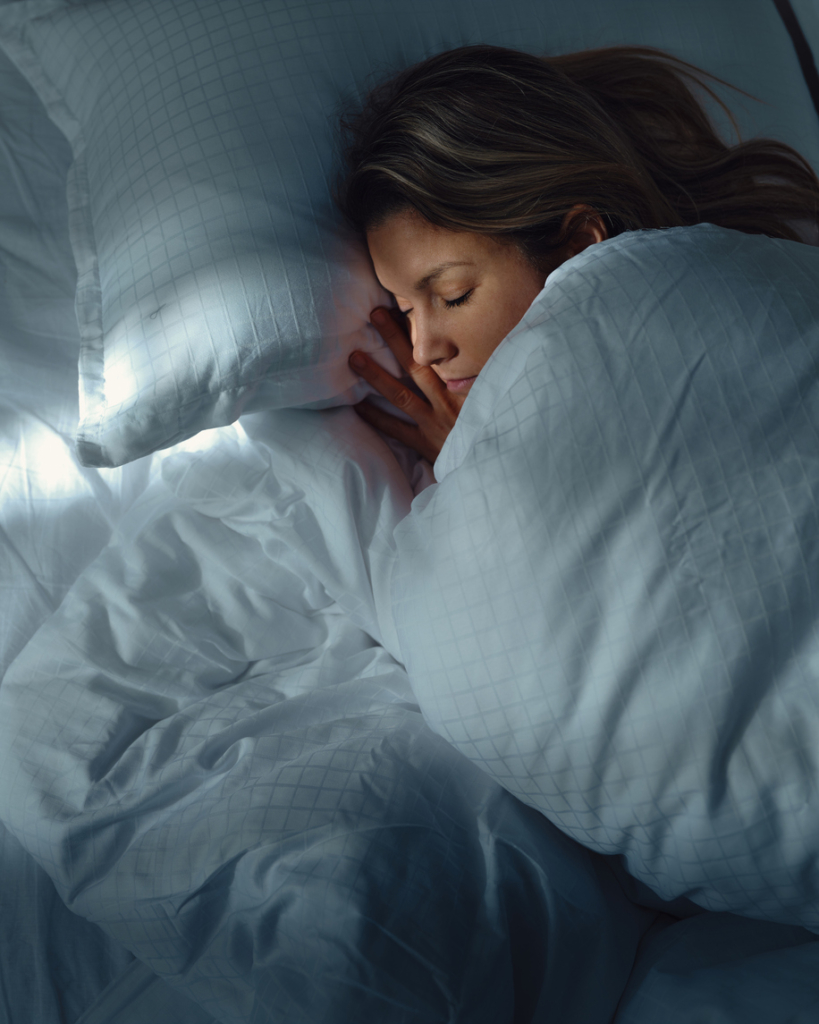
Sleeping in a quieter, more predictable environment means your brain switches to sleep mode faster, reaches deeper sleep stages, and recovers better. This doesn’t mean instant perfection overnight, but even using a TV timer or gradually changing your evening routine makes a big difference.
Small Steps for Better Sleep
No need for drastic changes. Your brain loves gradual shifts: lower the volume, turn off the screen but keep a calm sound like a podcast or white noise, or create a consistent bedtime routine. Falling asleep with the TV on isn’t laziness or a “bad habit”—it’s often a sign of an overwhelmed nervous system. But your brain wasn’t made to rest with flickering images and scattered sounds. Give it quiet and darkness, and you’ll not only sleep better but wake up feeling sharper and more balanced.