What Are Water-Absorbing Crystals?
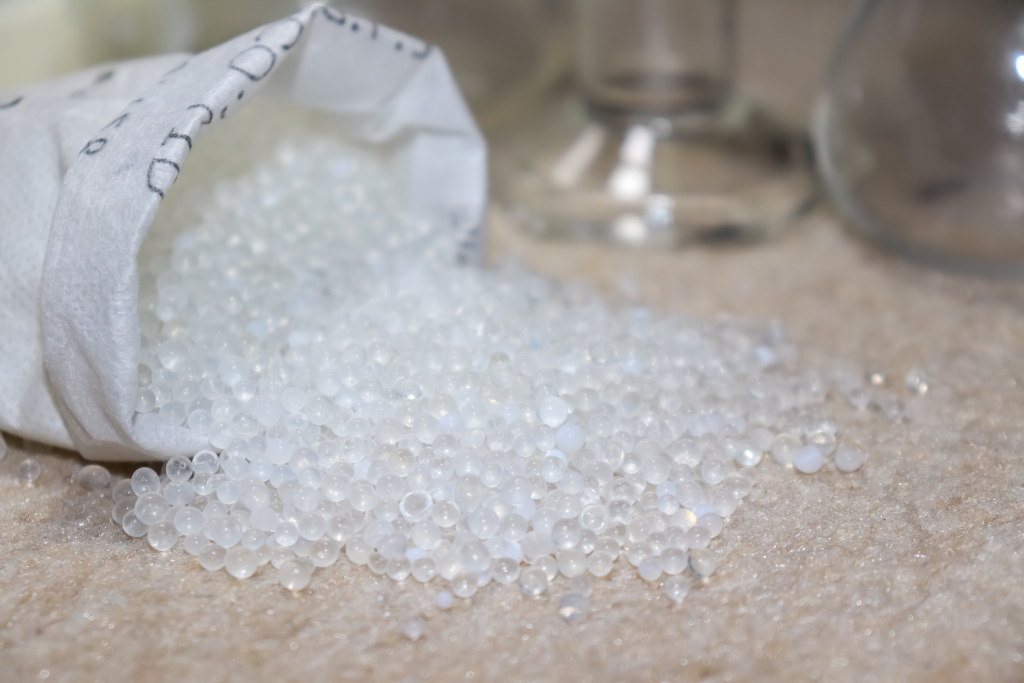
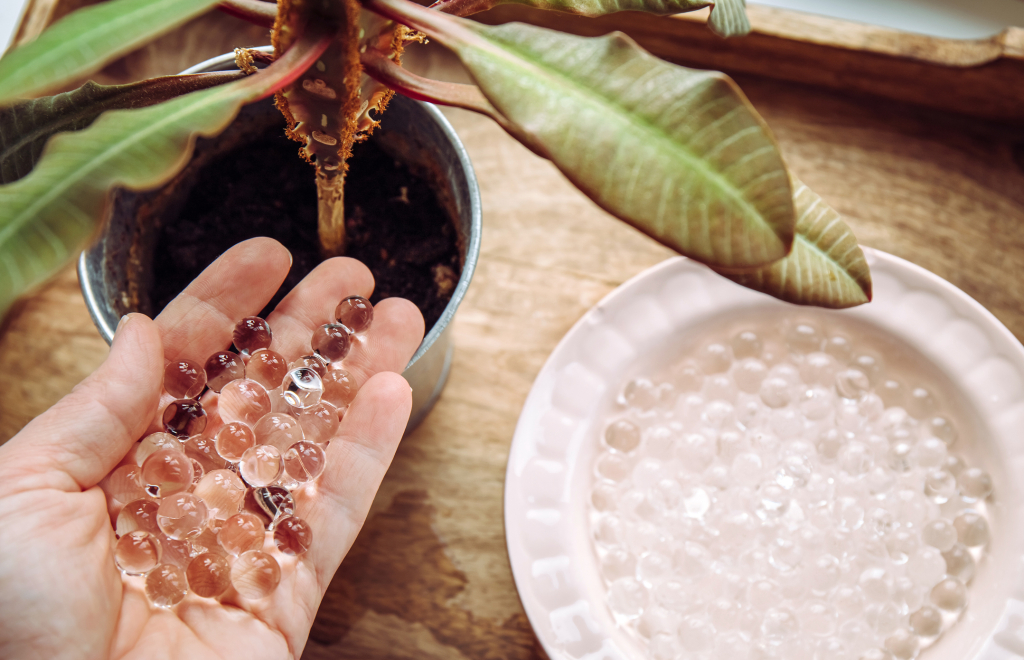
According to gardening expert Amy Enfield, water-absorbing crystals are polymers that can hold a large amount of water. Imagine each crystal as a tiny sponge. “They’re sometimes called hydrogels and are usually made from polyacrylamide,” explains Enfield. “Before they soak up water, they’re tiny white granules that look a lot like sugar crystals.”
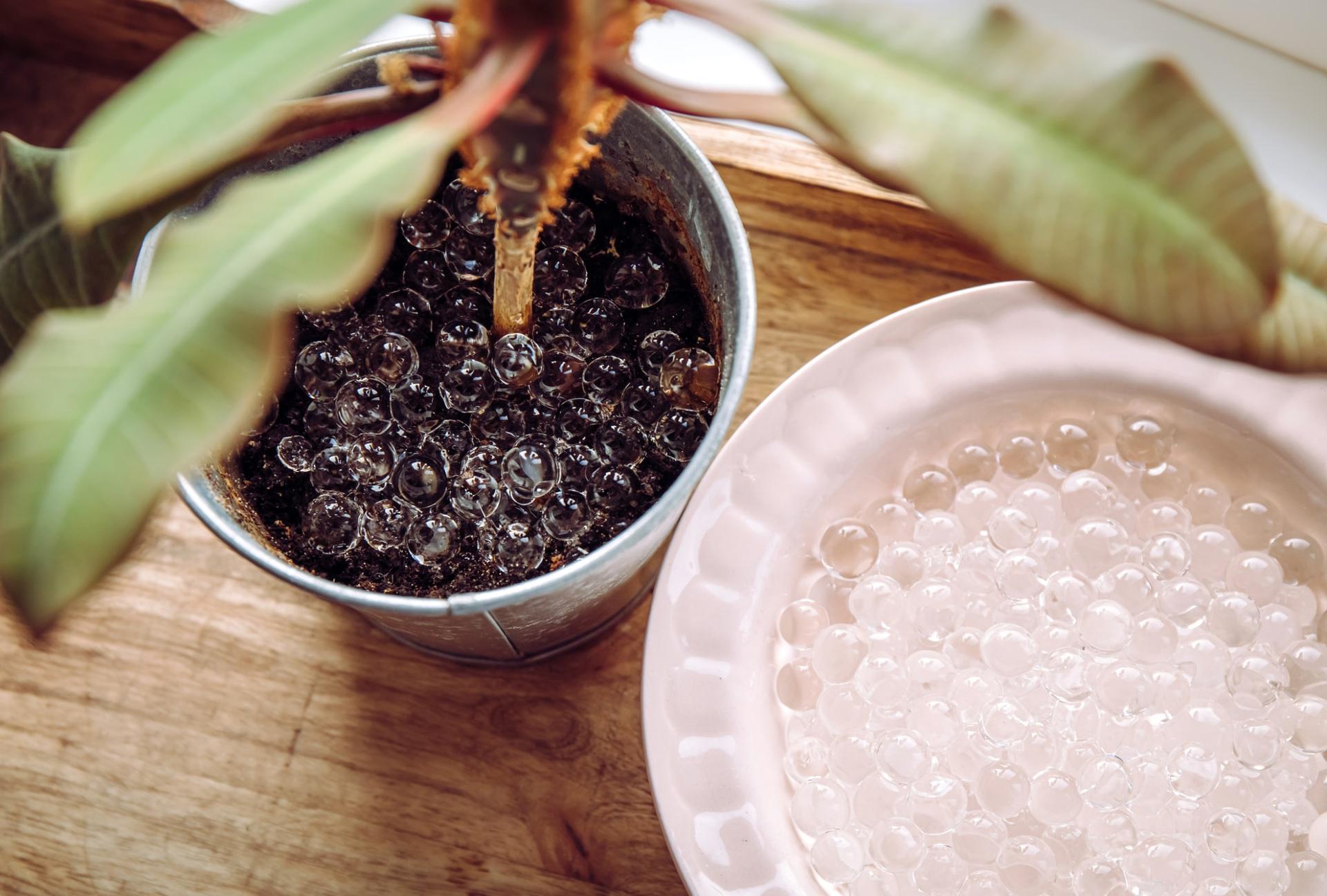
These crystals act as temporary reservoirs, storing excess water to boost the moisture-holding capacity of potted soil. This means fewer waterings and better support for plants during dry spells. “They can repeatedly swell and shrink, which also helps improve soil aeration and oxygen supply to the roots.” adds Enfield.
Where Should You Use Water-Absorbing Crystals?
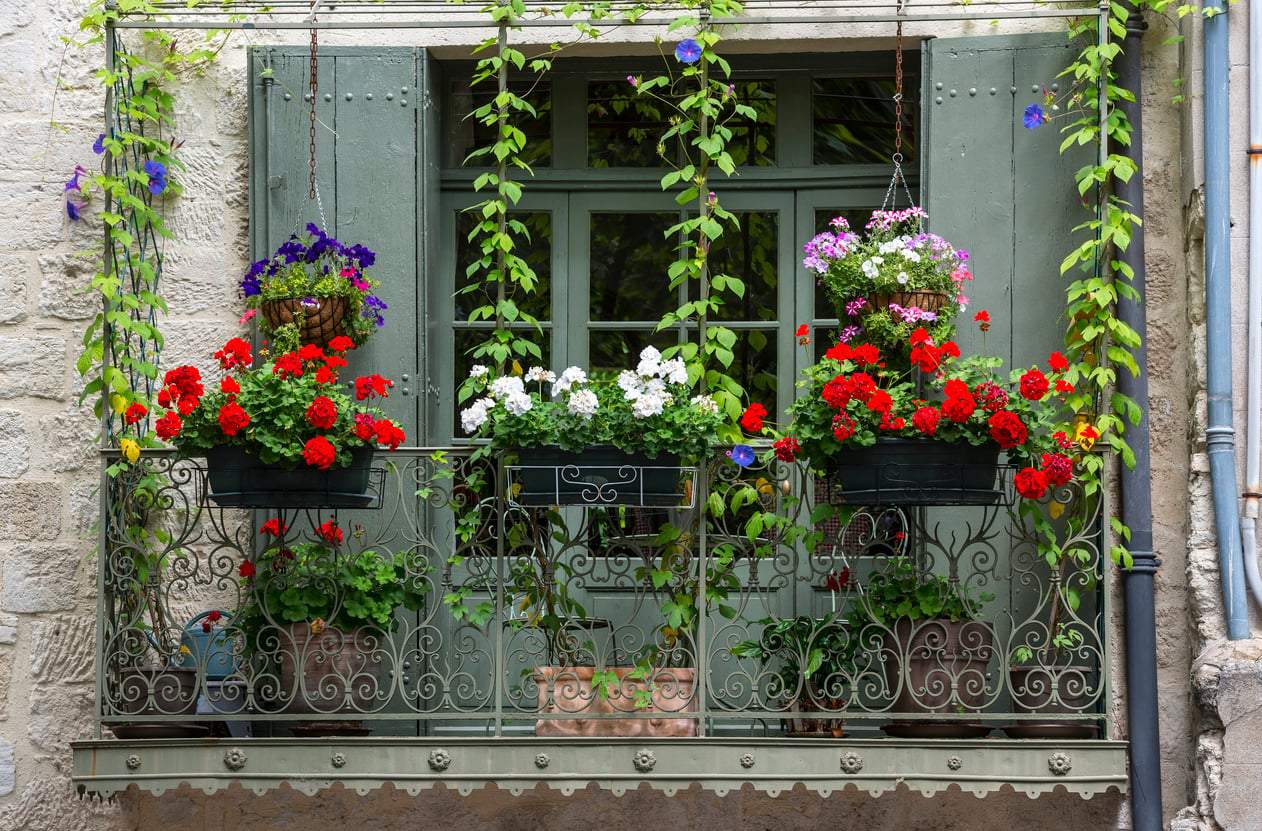
Enfield says these crystals are most often used with indoor and outdoor potted plants, including hanging baskets and window boxes. “They’re also great for garden beds and plants planted directly in the ground. Mix the crystals into the soil at the ratio indicated on the package. When you water the soil mix, the crystals swell into gel-like beads that hold onto water molecules. As the surrounding soil dries out, the stored water gradually releases back into the soil, keeping roots hydrated for longer.”
Do They Really Work?
Water-absorbing crystals can indeed extend soil moisture retention and reduce how often you need to water. “For example, a colleague swears by them for keeping potted tomato seedlings alive and well during Phoenix’s hot, dry summers,” says Enfield. Their effectiveness depends on certain conditions. “They work best in well-draining soils, which makes them ideal for potted plants. In garden beds, they perform better in sandy, fast-draining soils than in heavier clay soils, which naturally dry slower and retain more water.”
Which Plants Benefit Most?
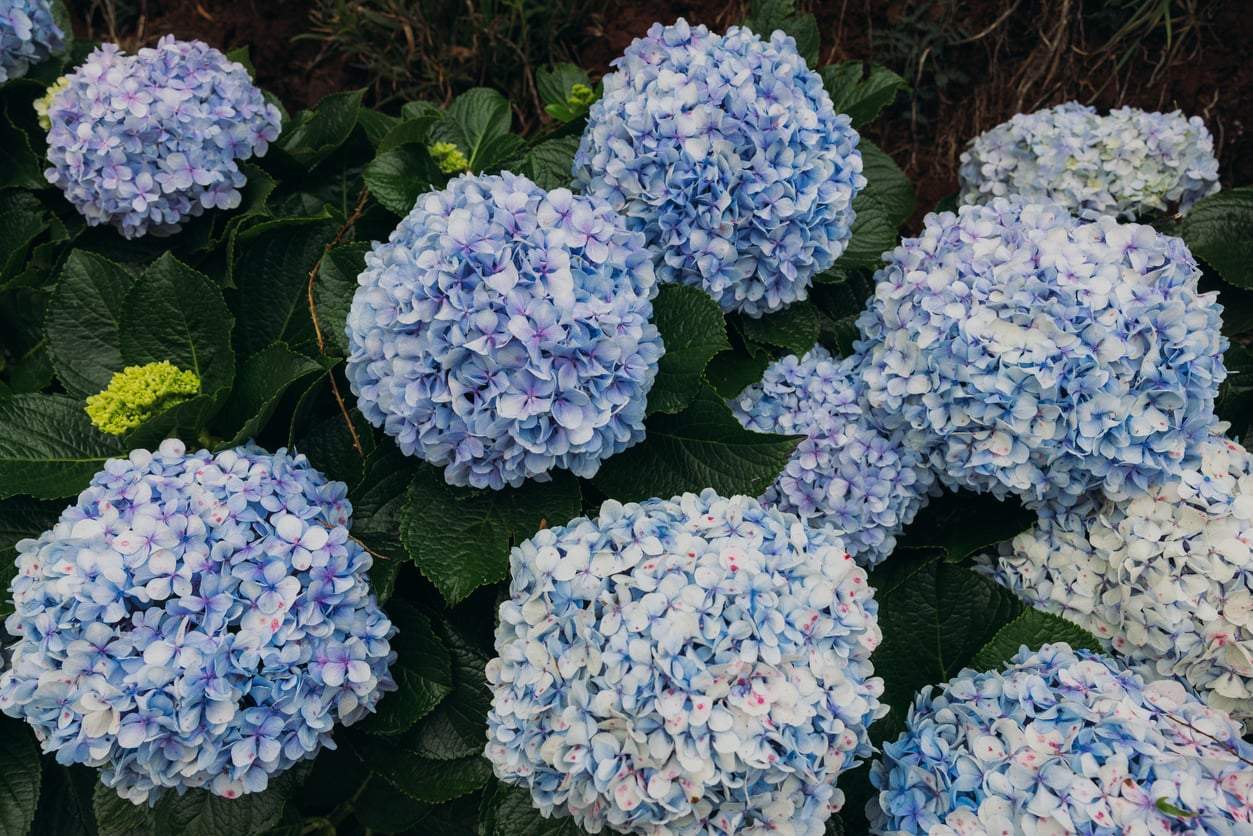
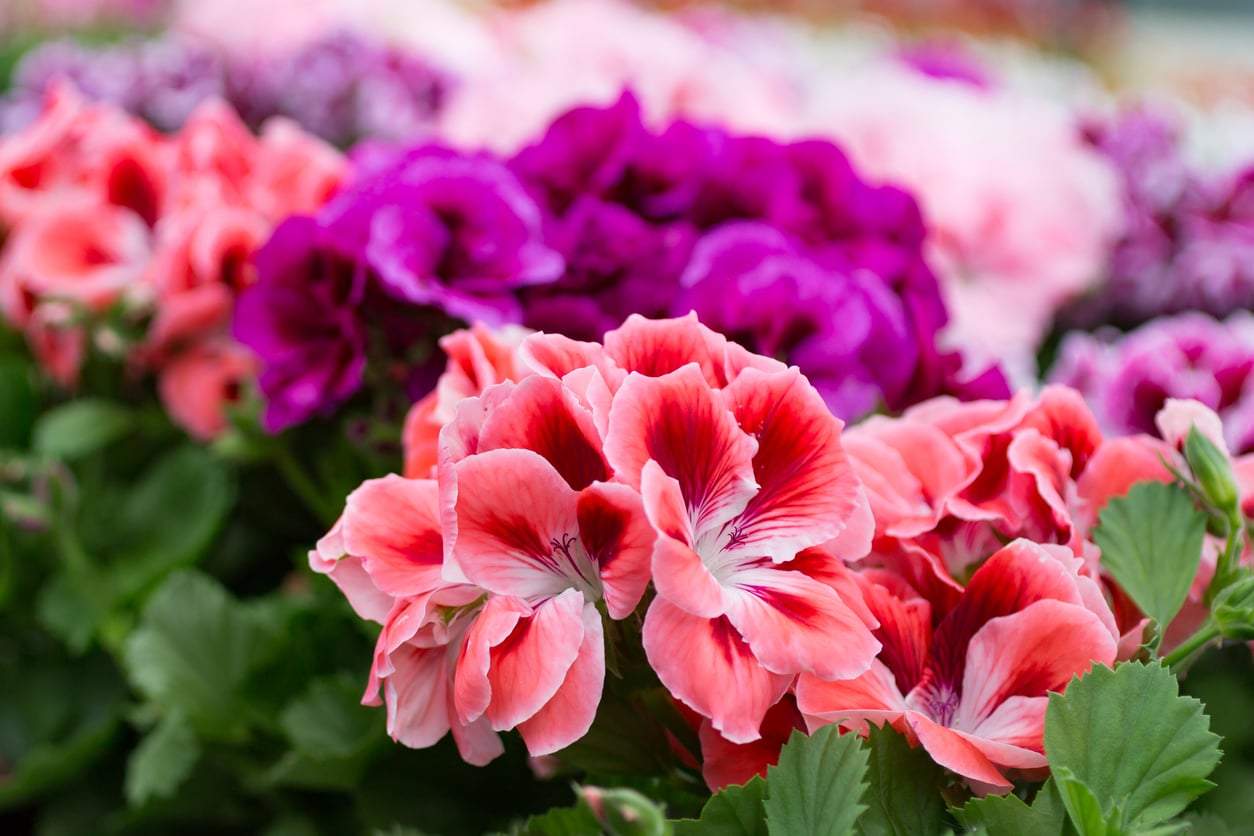
Enfield recommends using water-absorbing crystals mainly for potted plants that need consistently moist soil, are sensitive to drought stress, or have high water demands. Examples include ferns, geraniums, hydrangeas, petunias, and vegetables like tomatoes and peppers. She advises against using them with desert plants, drought-tolerant succulents, or Mediterranean herbs. “These plants prefer fast-draining soil and their roots can easily rot if left too wet for too long.” It’s also important to remember that water-absorbing crystals don’t last forever. They need to be replaced every few years, and plants still require regular care. “They’re not magic fixes and don’t replace good watering habits, but when used right, they’re a helpful addition,” Enfield adds.
While Enfield stresses reading the instructions on the package, she emphasizes thoroughly mixing the crystals into the soil. “The crystals only work if they’re in the root zone,” she explains. “For new plantings, mix them into the soil before planting. For existing plants, make holes in the soil and place the crystals close to the roots.”